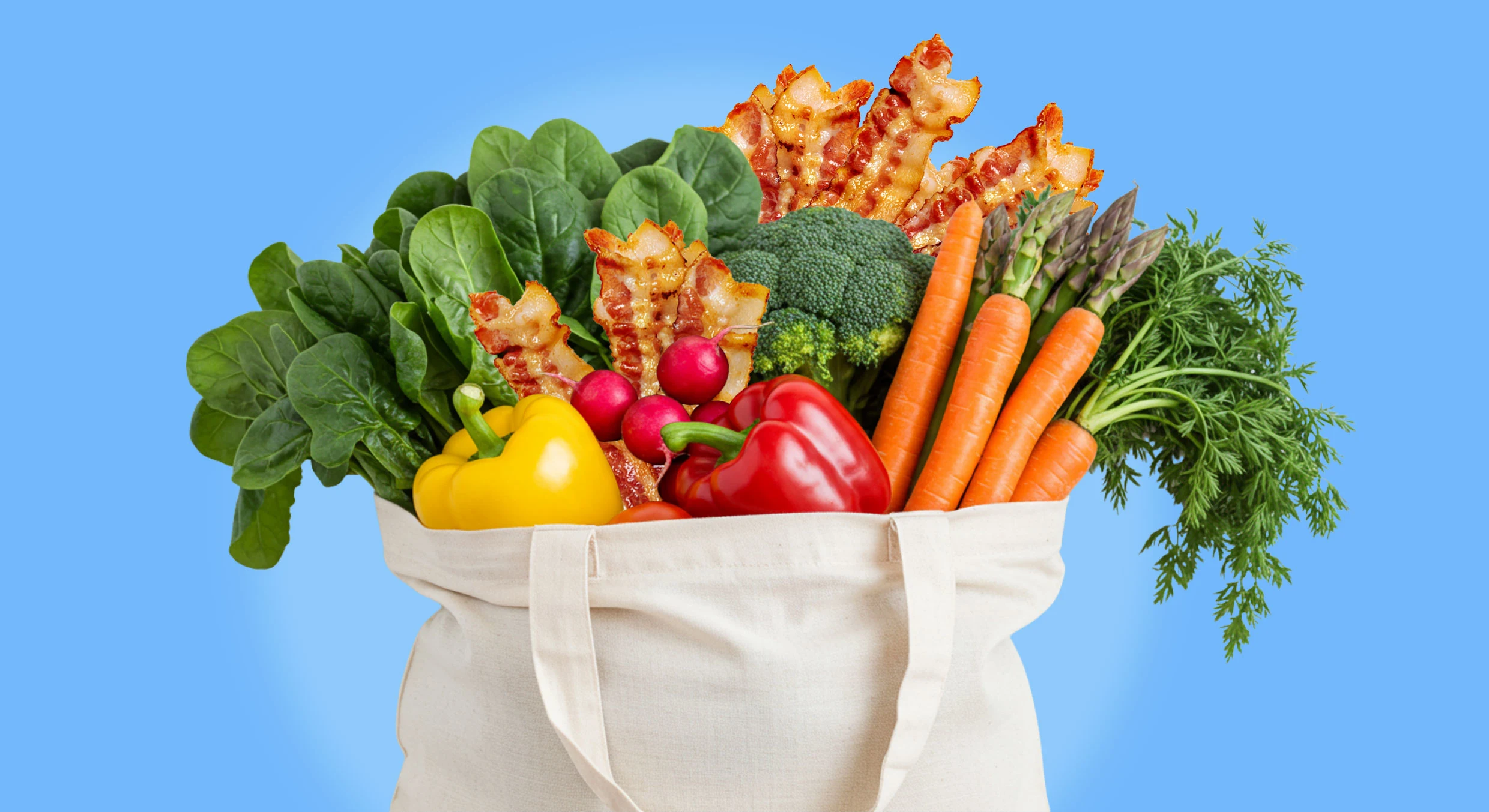
A "vegan plus bacon" mindset accepts mostly ideal behavior while permitting occasional, intentional exceptions to make goals sustainable. The approach applies harm-reduction logic to diets, fitness, sobriety, and other habits. Small deviations lower psychological barriers and make reintegration easier after lapses. Examples include allowing an occasional cigarette while quitting, rare steak for pescatarians, brief low-effort workouts instead of none, or remaining cannabis-only while avoiding other substances. The mindset emphasizes pragmatic consistency over strict perfection and encourages progress through flexibility rather than through rigid rules that often lead to abandonment.
"If you've already given up on your 2026 rebrand because you couldn't stick to your six gym sessions a week and no-sweet-treats resolutions, adopting a "vegan plus bacon" mindset may be the answer to all your problems. TikTok creator @addietheoptimist broke the idea down in a recent video: "Someone on here went viral because they said if you think you can't go vegan because you love bacon too much, just become vegan plus bacon," she explained in the now-viral clip."
"While the original creator was referencing harm reduction in relation to veganism (that if you only eat bacon sometimes but are 100% vegan otherwise, it's still making a difference), the potential applications of the general concept behind "vegan plus bacon" are limitless. Don't feel like going to the gym? Rather than not going at all, go and give 10%... eve if that looks like 10 minutes walking on the treadmill, scrolling TikTok."
""You don't have to be imprisoned by your own rules," the creator concluded. The video currently has over two million views, with the comments full of examples of instances where others have unknowingly adopted the vegan plus bacon mentality. One person quit smoking, but still permits the occasional cigarette while among friends. Another is pescatarian, but allows themselves steak once or twice a year. Others are "California sober," when a person gives up on alcohol and hard drugs, but continues to smoke weed."
Read at Fast Company
Unable to calculate read time
Collection
[
|
...
]