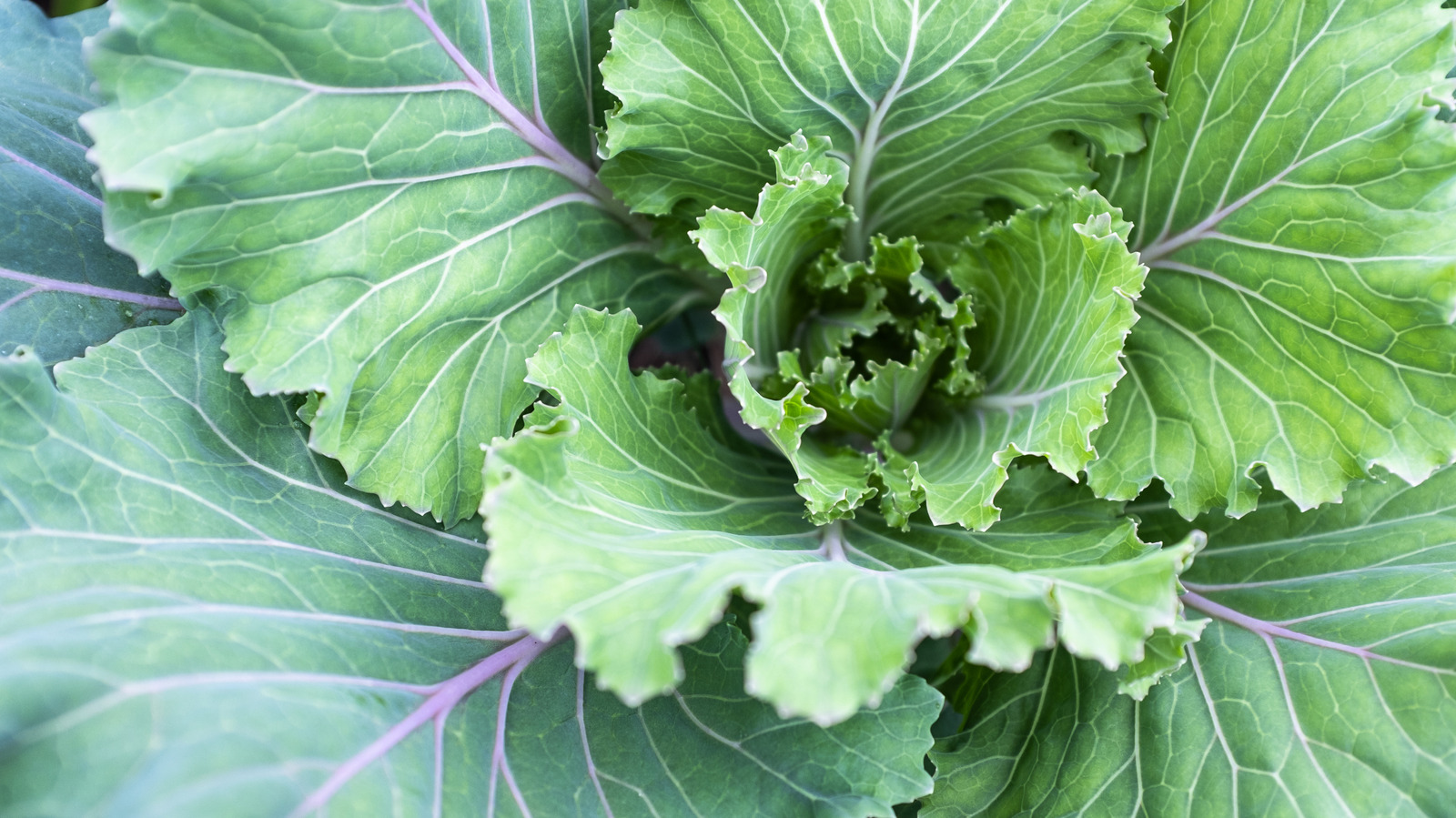
Cruciferous vegetables are defined by a cruciform arrangement of four flower petals and belong to the Brassicaceae (mustard) family. These vegetables exhibit distinctive flavors, high fiber, and varied nutritional elements while appearing in many shapes, sizes, and colors. Culinary innovation and plant-based trends have increased their popularity, with cauliflower used in pizza crusts and as wings, and Brussels sprouts rebranded as fried appetizers. Cabbage and broccoli are emerging as popular choices, driven by interest in fiber-rich diets and low production costs. Cruciferous vegetables are versatile in cooking and can be incorporated into smoothies, appetizers, main dishes, and baked goods.
"But now that pizza crusts contain cauliflower, and kale has snuck its way into just about every smoothie, it's time we talked about what a cruciferous vegetable actually is. Is it the flavor, high fiber content, or texture that drops some of our favorite veggies into that category? Surprisingly enough, it actually has to do with the way the plant is formed."
"It's no secret that a few of our favorite cruciferous vegetables seem to have gained popularity overnight. Some of them found center stage after getting rebranded as a fried appetizer, like Brussels sprouts. Others were able to have another chance at a debut during the increasingly popular plant-based movement, like cauliflower wings. Cabbage and broccoli are predicted to be the next big thing, likely having to do with the rising interest in fiber-heavy diets and low costs."
Read at Tasting Table
Unable to calculate read time
Collection
[
|
...
]