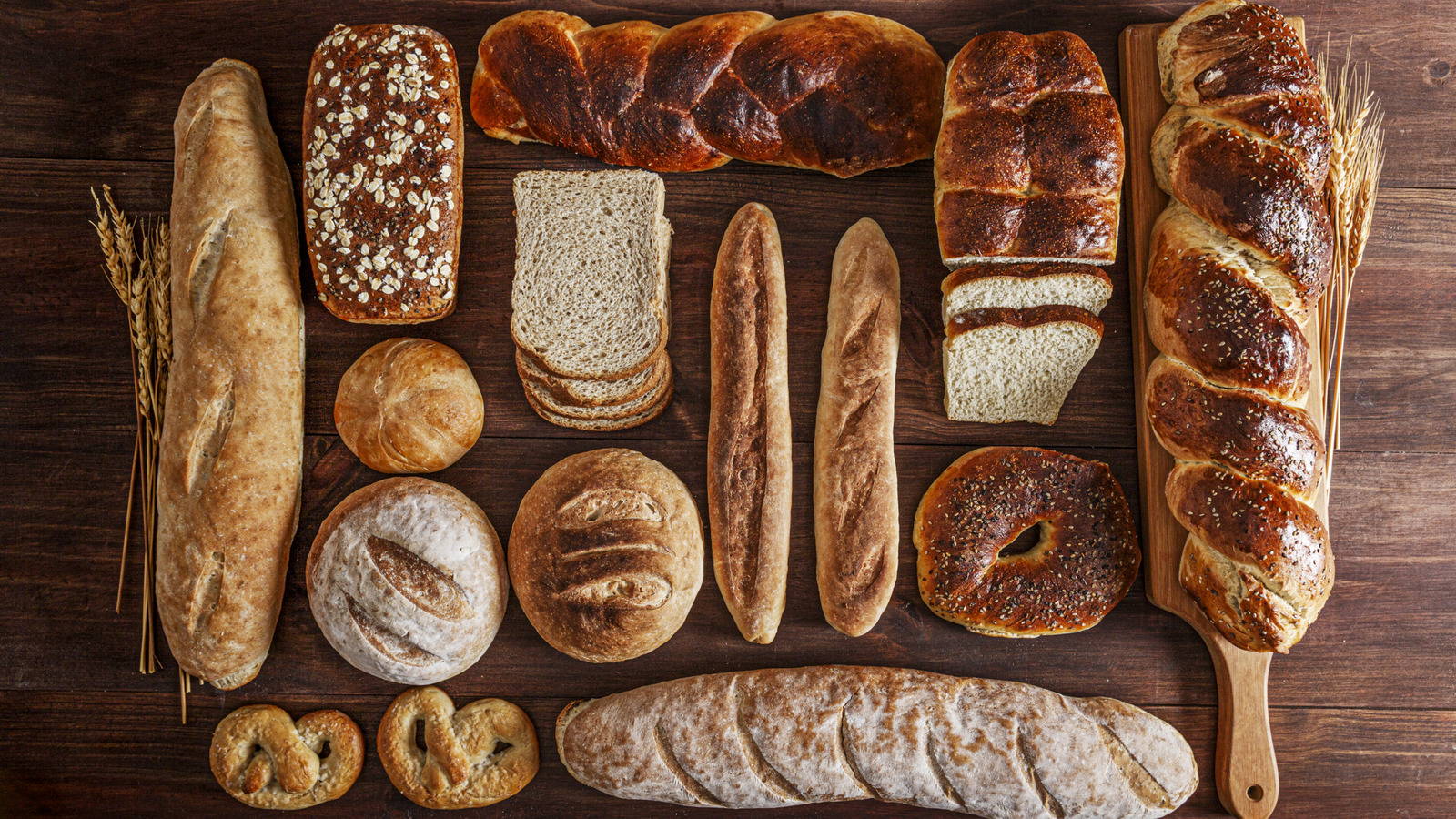
"According to Innova Market Insights, nearly 1 in 3 Americans eat bread more than four times a week. It makes sense, as there are just so many meals that contain bread. Sandwiches, grilled cheese, burgers, hot dogs, simple toast - bread is everywhere. White bread has long been a popular choice for most households across the U.S. Although now, likely due to concerns over ultra-processed foods, other types are becoming more popular."
"The First World War had a significant impact on the U.S. Everyday people had to make sacrifices, and this often meant going without certain ingredients that they were used to using. Instead of using standard white flour to make bread, for example, Americans were encouraged to use cornmeal instead, along with rye and wheat flour. They would combine these ingredients with boiling water or scalded milk, shortening, molasses, yeast, and salt to make war bread."
Bread features prominently in many diets, with nearly one-third of Americans eating bread more than four times weekly. White bread remained the dominant household choice, while interest in alternatives such as sourdough has grown amid concerns about ultra-processed foods. Historical circumstances produced different breads: wartime shortages led to war bread made with cornmeal, rye, scalded milk, shortening, molasses or corn syrup, yeast, and salt. Limited wheat supplies were driven by exports to Allied troops, prompting use of rye and corn and resulting in denser but still nourishing loaves and rolls.
Read at Tasting Table
Unable to calculate read time
Collection
[
|
...
]