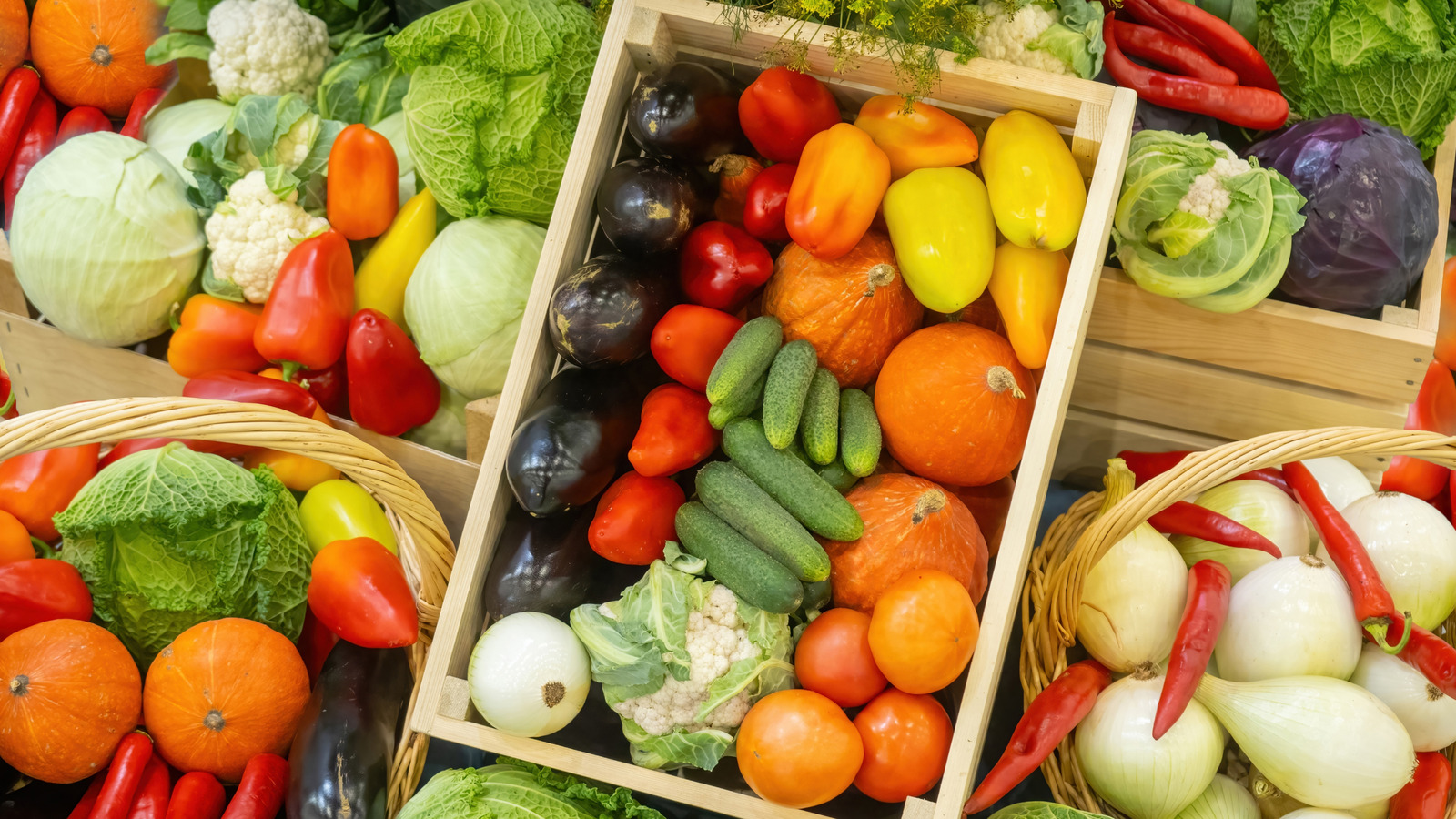
Vegetables supply compounds that help prevent illness and reduce disease risk, yet 90% of Americans fail to meet recommended intakes of about 2½ to 3 cups daily for adult women and 3 to 4 cups daily for adult men. Vegetables are diverse and grouped into categories such as leafy greens, starchy vegetables, beans/peas/lentils, and red and orange vegetables. Consuming a greater variety of colors and types delivers a wider array of antioxidant compounds and health benefits. Barriers include limited access, unfamiliarity, cost, and established eating habits. Simple strategies include incorporating vegetables into favorite meals, such as adding them to omelets.
"Vegetables are not only part of a healthy, balanced diet, but their compounds can help prevent illness and reduce the risk of disease. Yet a full 90% of Americans, across age levels, don't eat enough vegetables, per the USDA's Dietary Guidelines for Americans, which is typically defined as 2½ to 3 cups per day for adult women and 3 to 4 cups per day for adult men."
"Vegetables are incredibly diverse, both in terms of offerings and ways to prepare them. At the most basic level, they're grouped into categories like leafy greens, starchy vegetables, beans/peas/lentils, and red and orange vegetables. Since there are so many different types, it's easy for you to find something you enjoy. Generally speaking, the greater variety of colors or types of vegetables you eat, the greater variety of health benefits you're consuming, as different colors of vegetables contain different types of antioxidant compounds."
Read at Tasting Table
Unable to calculate read time
Collection
[
|
...
]