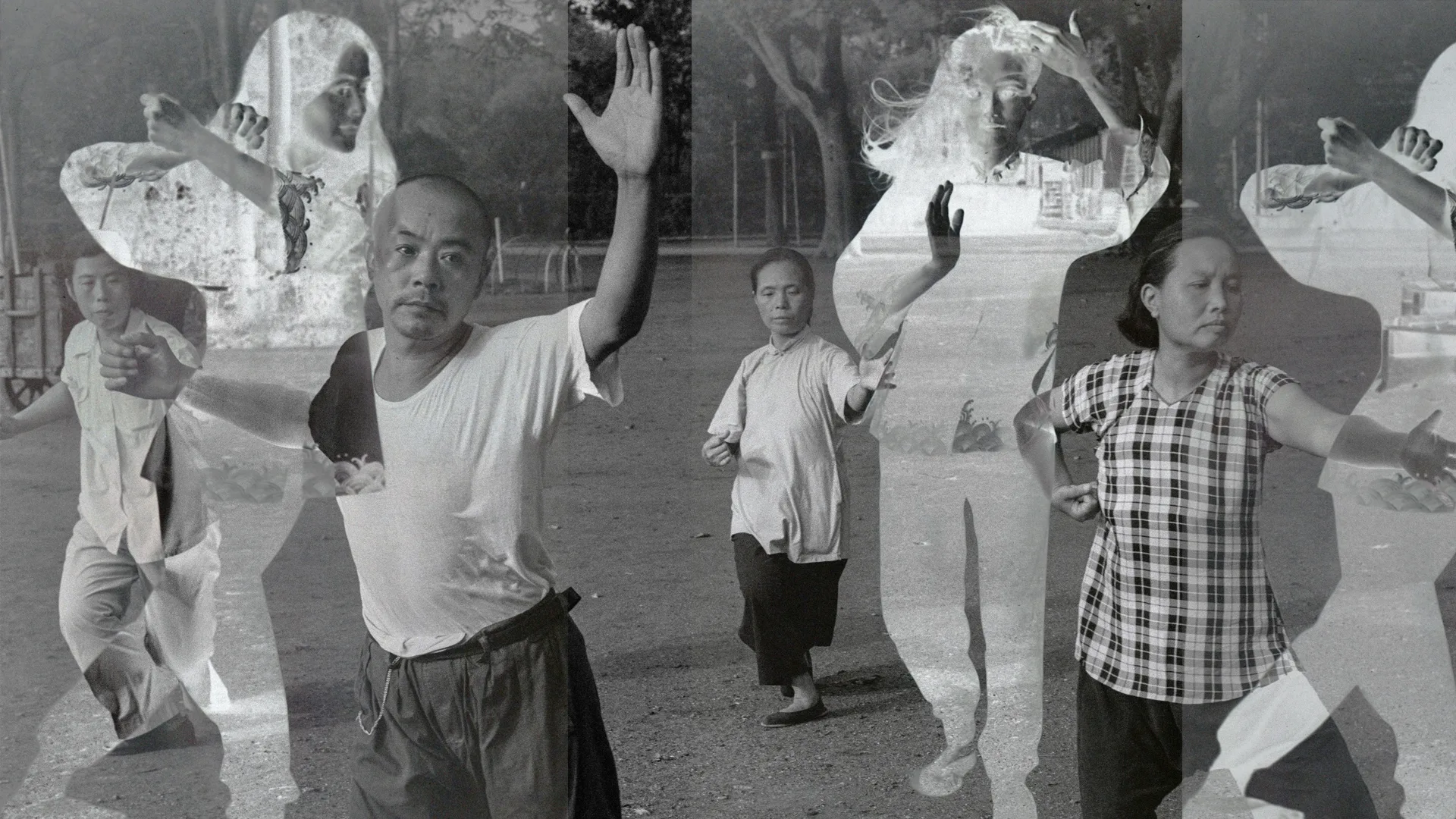
"Tai Chi is a gentle form of exercise that has a number of reported health benefits, primarily strength, flexibility, and balance, and, to a lesser degree, aerobic conditioning, according to an article from Harvard Medical School. Without using weights or resistance bands, you can gain upper-body strength through arm exercises that use your core and back muscles in a similar way."
"In Tai Chi walking, exercisers adopt a Tai Chi gait, paying special attention to how they hold their posture and utilize the body's muscles. The slow, low-impact movement is touted as especially good for older people."
"Tai Chi walking, inspired by a centuries-old Chinese martial art that incorporates flowing hand and foot movements with breath and mindfulness. Another signature of Tai Chi is it prioritizes walking heel-to-toe with focused attention."
Tai Chi walking is an emerging fitness trend based on centuries-old Chinese martial arts principles that combines flowing hand and foot movements with breath awareness and mindfulness. Known as "meditation in motion," this gentle exercise provides reported health benefits including improved strength, flexibility, balance, and aerobic conditioning. Practitioners adopt a specific Tai Chi gait with heel-to-toe walking while maintaining focused attention on posture and muscle engagement. The slow, low-impact nature makes it particularly beneficial for older adults. Upper-body strength develops through arm exercises utilizing core and back muscles without requiring weights or resistance bands. Social media influencers promote the trend with claims of results in just seven minutes daily, emphasizing grounding benefits. This follows the "10,000 steps" craze, which originated as a 1965 Japanese marketing slogan and became mainstream in America over the past fifteen years.
Read at Fast Company
Unable to calculate read time
Collection
[
|
...
]