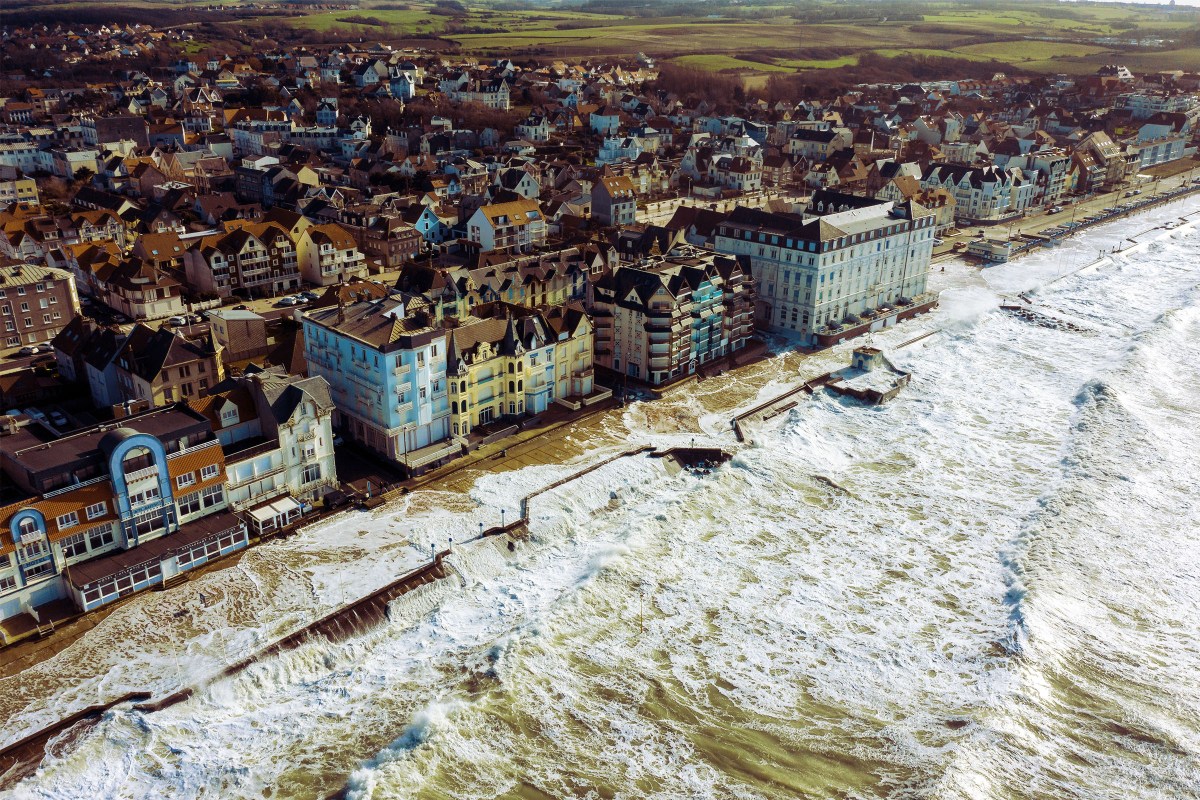
El Niño is expected to emerge in July and persist through winter, bringing high-tide flooding. Flooding can occur without storms or heavy rainfall because changes in jet streams can raise local sea levels and push water onto land. NOAA oceanographer William Sweet warns of a “double whammy” where decades of sea level rise leave coastal waters near capacity and a strong El Niño increases the frequency, depth, and geographic spread of high tide flooding on both coasts. El Niño is driven by shifting winds and ocean surface temperatures. In its warm phase, trade winds weaken and shift upward, warming northern oceans; in its cool phase, trade winds strengthen and cool the Pacific off the western Americas while warmer waters move toward Asia. El Niño and La Niña alternate every two to seven years on an irregular schedule.
"“The first punch is decades of sea level rise, which has waters close to the brim in many coastal communities,” Sweet explained in a statement. “And now with this second punch - a strong El Niñno - coastal communities face more frequent, deeper and widespread high tide flooding along both the West and East Coasts.”"
"In a new announcement, NOAA's National Weather Service said that it was predicting El Niño will likely emerge in July and last through the winter, bringing high-tide flooding with it. These floods can happen without storms or heavy rainfall; as El Niño causes flux in the jet streams above the ocean, these can elevate local sea levels along the coasts and spill over onto land."
"El Niño is part of a cyclical climate phenomenon caused by shifting winds and surface temperatures over the ocean. In the phenomenon's warm phase, the planet's easterly winds along the equator, called trade winds, weaken and migrate upward, warming the northern oceans. In its cool phase, El Niña, the opposite happens: the trade winds get stronger and cool the Pacific off the western Americas and drive warmer waters towards Asia."
Read at Futurism
Unable to calculate read time
Collection
[
|
...
]