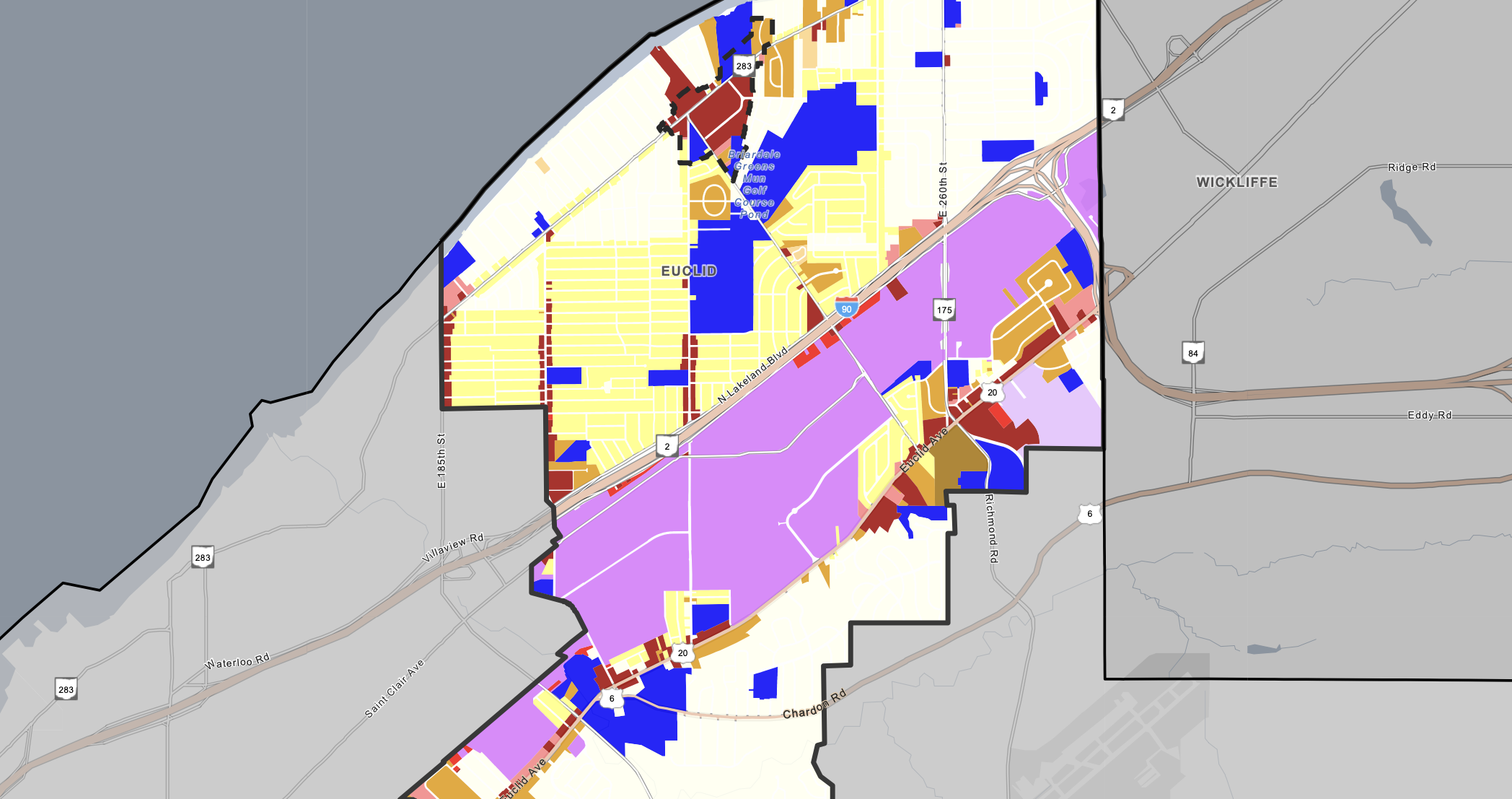
The Supreme Court's decision in Euclid v. Ambler in 1926 established zoning as a legal framework, which entrenched segregation and increased housing costs. The ruling reflected the justices' biases, describing apartment buildings negatively. It also highlighted the connection between zoning and transportation policies, as zoning was seen as a solution to issues caused by cars, yet it only exacerbated them. A century later, the relationship between zoning and transportation remains critical for urban planning and development.
"The Supreme Court's 32-page opinion has haunted urbanists ever since. The infamous ruling illuminated the durable link between zoning policy and transportation policy."
"Zoning and transportation are the atomic elements of the built environment. Fixing either will require fixing both."
"The justices made no secret of the snobbery and prejudice that guided their decision, which described apartment buildings as 'a mere parasite'."
"Over the past decade, scholars have documented how early zoning ordinances perpetuated racial segregation, even after race-based zoning laws were abolished."
Read at Streetsblog USA
Unable to calculate read time
Collection
[
|
...
]