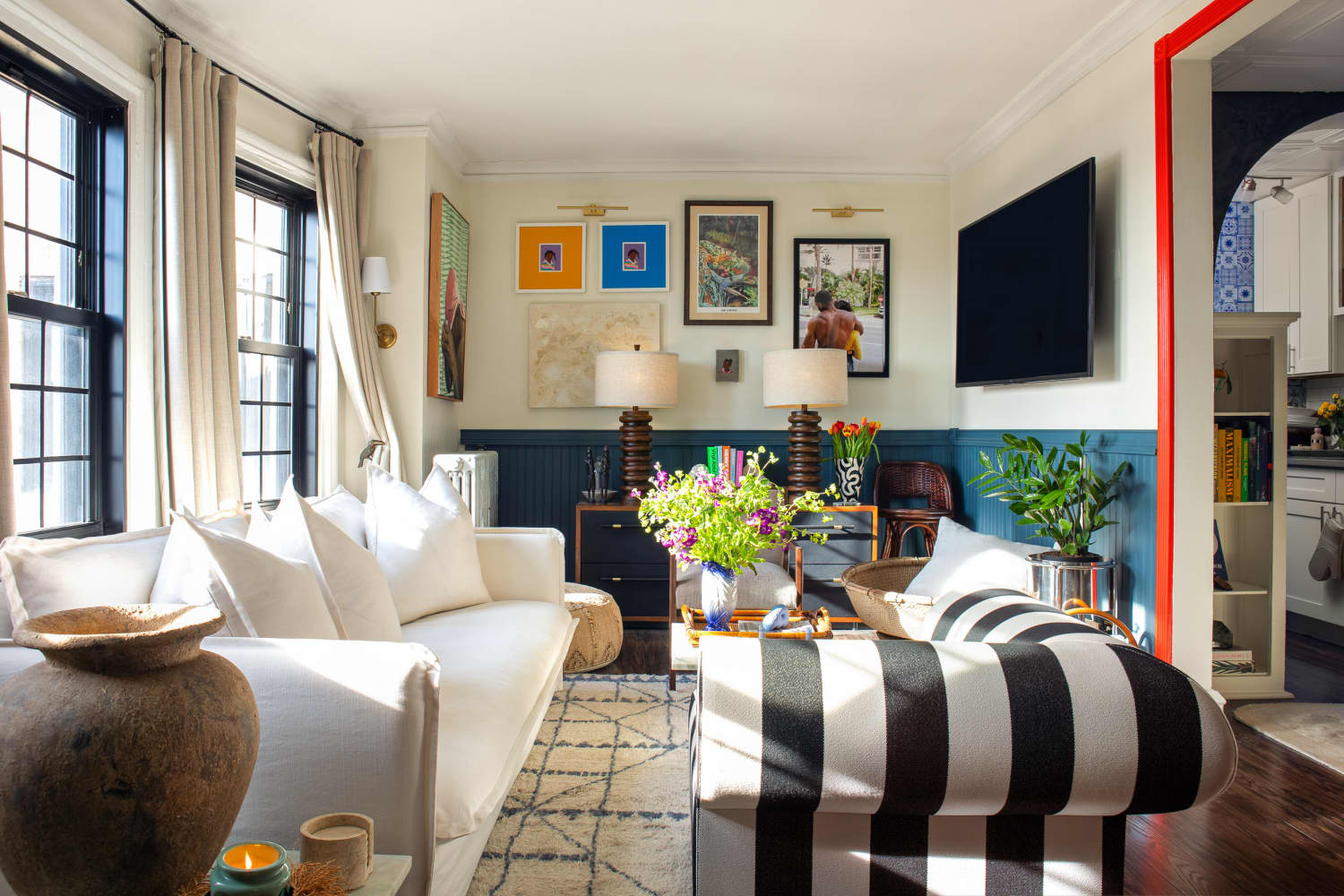
""Emotional zoning is a way to completely reimagine your home's function. "Instead of traditional room labels like 'living room' or 'bedroom,' it maps spaces to emotional states: calm, energized, inspired, grounded, playful, restored," says Shane V. Charles, interior architect and principal at Mild Sauce Studio. He adds that "emotional zoning isn't aesthetic-driven; it's identity-driven. You're not designing for Pinterest. You're designing for your nervous system, your healing, and your habits.""
"While I'm not suggesting you do away with that interior design model (what would that even look like?!), there is another way to think about designing every area in your home - that'll directly have an impact on your mental health and well-being. It's called emotional zoning, and it's a micro-trend that's quickly gaining traction on DesignTok right now. Here's why you'll want to consider "emotional zoning" your home this year."
Emotional zoning assigns emotional states to home areas, mapping spaces to calm, energized, inspired, grounded, playful, and restored functions. The approach prioritizes identity and nervous-system needs over aesthetics and social media trends. Spaces are designed to support healing, habits, and nervous-system regulation so the home acts as a co-regulator rather than a source of stress. Emotional zoning can apply to entire rooms or smaller mood nooks and gives every corner a clear job. Proper layouts and intentional cues can make occupants feel calmer and more at ease by signaling what activities and emotional responses are expected in each zone.
Read at Apartment Therapy
Unable to calculate read time
Collection
[
|
...
]