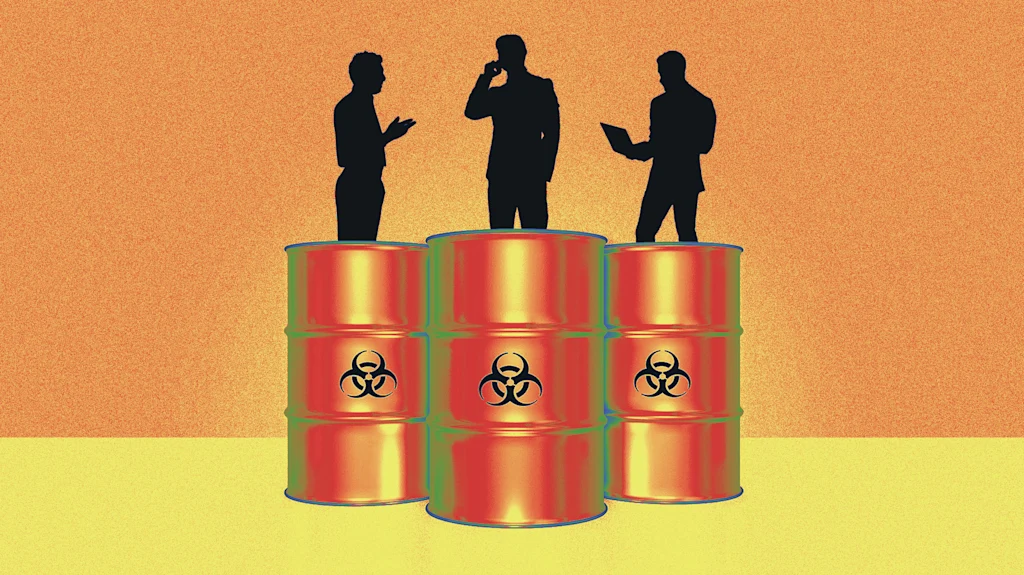
"Workplace culture is a sort of human algorithm that governs the social dynamics in organizations, much like national culture does so for countries. There are rather consistent patterns when it comes to the opposite: places where people feel unhappy, disengaged, or unfairly treated, and where politics corrode meritocracy while nepotism eclipses any attempt to reward people on the basis of talent, effort, or actual value."
"Corporate history offers no shortage of cautionary tales—from Enron to WeWork's early days to Uber's well-documented cultural crises, where dysfunction at the top eventually undermined performance at scale. Theranos exemplified a culture of secrecy, intimidation, and blind loyalty, where dissent was punished, expertise was ignored, and narrative consistently trumped scientific reality."
"Microsoft's transformation under Satya Nadella illustrates the opposite shift—from a combative, arrogant, know-it-all culture to a more open, learning-oriented mindset grounded in humility, curiosity, and collaboration. Unfortunately, it is often too late to recognize a toxic culture."
Workplace culture, defined as the rules governing social dynamics in organizations, plays a crucial role in job satisfaction and career success. Toxic cultures can lead to unhappiness and disengagement, often favoring a few individuals at the expense of the majority. Historical examples like Enron and Theranos illustrate the dangers of poor culture, while Microsoft’s transformation under Satya Nadella shows the benefits of a positive culture. Recognizing early warning signs of toxicity is essential for fostering a healthy work environment.
#workplace-culture #toxic-environments #employee-engagement #organizational-behavior #corporate-transformation
Read at Fast Company
Unable to calculate read time
Collection
[
|
...
]