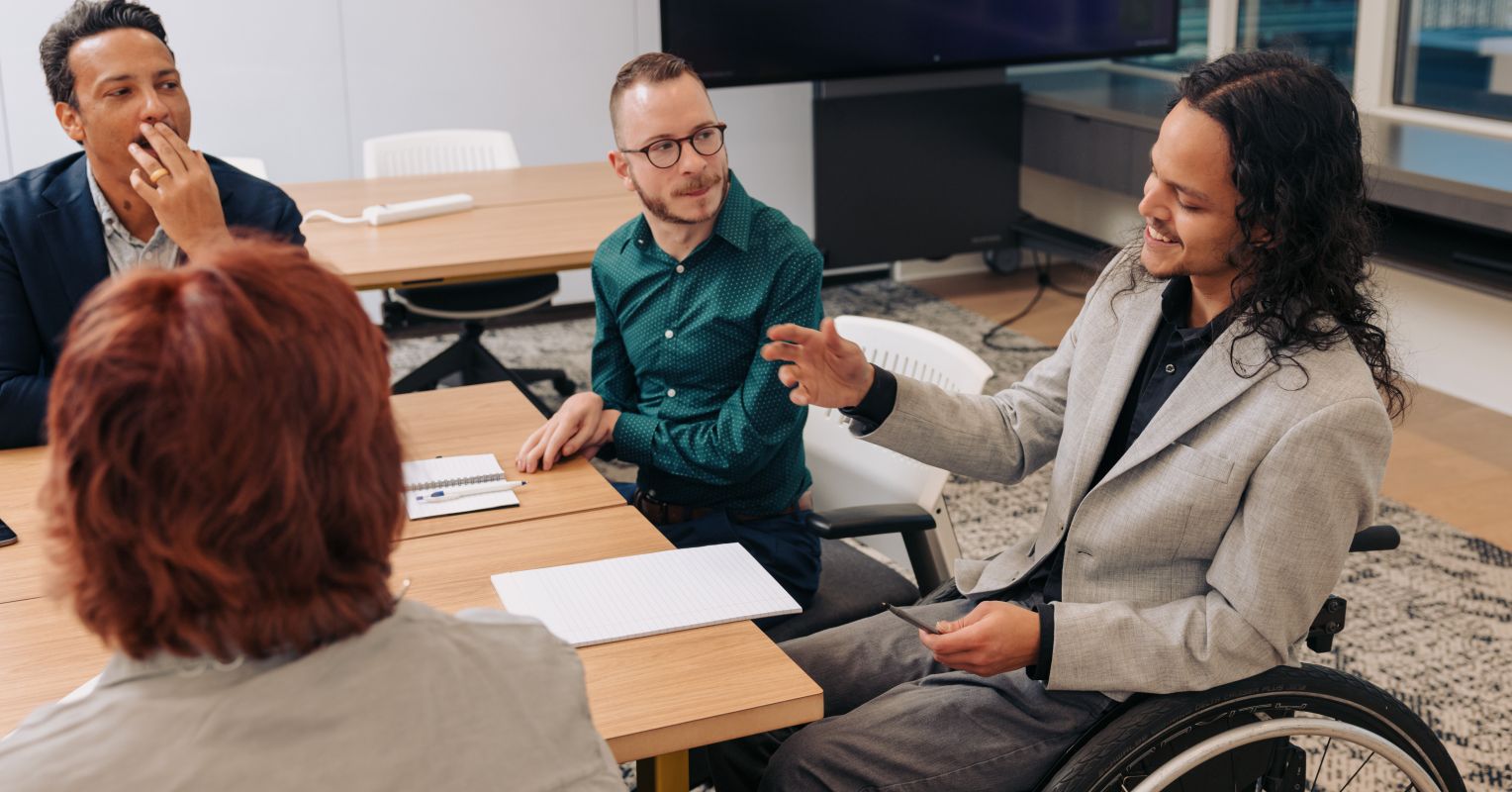
"Implicit biases are unconscious negative attitudes that one may hold against specific social groups, such as people with disabilities. We use biases in our everyday lives as shortcuts to help us interpret and navigate the world around us. They can be helpful, quick, and low-energy ways to make decisions. But if left unchecked, even unintentional biases can undermine inclusion and perpetuate discrimination."
"As of January 2026, the unemployment rate for persons with disabilities was almost double that of non-disabled individuals. Especially in light of recent attempts by the current federal administration to roll back and de-incentivize programs that encourage diversity, equity, and inclusion in the workforce, it is more important than ever to address the systemic barriers preventing people with disabilities from joining and thriving within the workplace."
"Affinity bias describes our tendency to give preferential treatment to and gravitate towards individuals with whom we share experiences, interests, or demographics. Affinity bias can be based on any trait, from superficial characteristics like being a dog person to more consequential characteristics like gender identity."
People with disabilities face significant employment barriers, with unemployment rates nearly double those of non-disabled individuals as of January 2026. Implicit biases—unconscious negative attitudes toward specific social groups—play a substantial role in workplace discrimination. These biases function as mental shortcuts that help navigate the world but can perpetuate discrimination when unchecked. Affinity bias, a common form, causes people to favor those sharing similar experiences, interests, or demographics. Workplace accommodations and inclusive practices benefit both employees and organizations financially while improving engagement. Addressing these systemic barriers is increasingly critical as federal policies shift away from diversity, equity, and inclusion initiatives.
#implicit-bias #disability-employment #workplace-discrimination #diversity-and-inclusion #affinity-bias
Read at Psychology Today
Unable to calculate read time
Collection
[
|
...
]