More than half of leaders report feeling used up at the end of the workday, and many under heightened stress consider stepping away from leadership roles. Pressure increases for founders and leaders of growing teams because decisions carry weight and missteps are visible. Rigid, all-knowing personas are often encouraged, but a more effective approach centers on curiosity, consistency, and human connection. Performing authority can fuel imposter syndrome and reduce effectiveness. Shifting toward understanding over being right changes team energy and makes work feel shared. Leadership moves include leading with curiosity instead of defensiveness, prioritizing authenticity over performance, maintaining consistency when pressure mounts, and developing capacity rather than dependency.
"Leadership today feels heavier than it used to. In DDI's latest global leadership survey, more than half of leaders globally say they feel used up at the end of the workday - and among those experiencing heightened stress, 40% have considered stepping away from leadership roles entirely to protect their well-being. For founders and leaders of growing teams, that pressure is amplified: Every decision carries weight, and every misstep is visible."
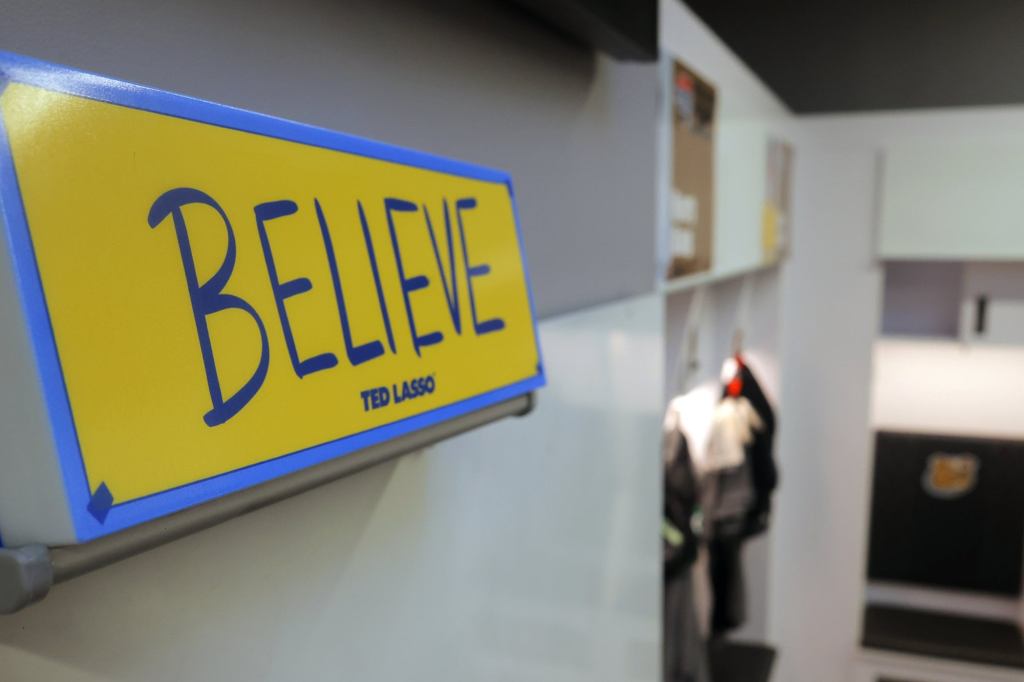
"In that environment, we are often told that softness won't hold up, which pushes many leaders to adopt a rigid, all-knowing persona just to keep pace. Against that backdrop, a handmade yellow sign that reads "BELIEVE" can look naïve. Yet as we anticipate the return of everyone's favorite mustachioed coach in Ted Lasso season 4 this summer, it is worth revisiting why his stubborn optimism is less sentiment than strategy."
"Early in my own leadership journey, I tried performing authority. I assumed my title required certainty and composure at all times. Instead, it fueled imposter syndrome and made me less effective. When I shifted toward a more Lasso-like approach, prioritizing understanding over being right, the energy of my team changed. The work felt less like something I had to carry alone and more like a shared mission."
"Here's how those fictional lessons translate into very real leadership moves for founders and scaling teams: 1. Lead with curiosity instead of defensiveness. When Ted faces skepticism, he doesn't pull rank or defend. 2. Prioritize authenticity over performance. 3. Maintain consistency when the pressure mounts. 4. Develop capacity rather than dependency."
Read at Entrepreneur
Unable to calculate read time
Collection
[
|
...
]