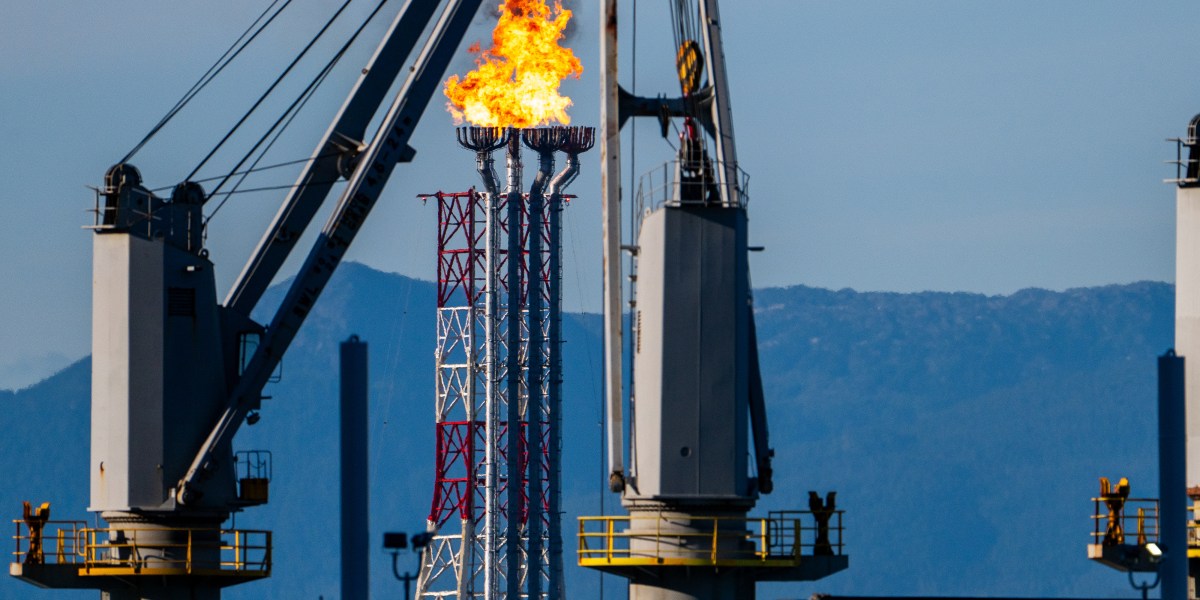
"The U.S. Energy Information Administration estimated that, in 2024, over 80% of the crude and LNG that transited Hormuz went to Asian markets. China, India, Japan, and South Korea accounted for nearly 70% of all Hormuz crude flows. Saudi Arabia and the UAE can only send about 2.6 million barrels of crude oil a day through bypass pipelines, not enough to offset the 20 million barrels per day now stuck."
"Canada's new Pacific energy infrastructure, from the Shell‑led LNG Canada project in Kitimat to the expanded Trans Mountain pipeline feeding crude to tankers near Vancouver, offers Asian buyers a faster, cheaper and geopolitically safer route that can skip Hormuz and other chokepoints like Malacca and the South China Sea, altogether."
"LNG Canada in Kitimat, British Columbia, shipped its first cargo in June 2025, making Canada an LNG‑exporting nation for the first time. Cargoes load directly into the North Pacific and reach Northeast Asian terminals without passing through vulnerable maritime chokepoints."
A closure of the Strait of Hormuz by Iranian forces would severely impact Asian energy markets, with over 80% of crude and LNG transiting through this chokepoint destined for Asia. China, India, Japan, and South Korea depend heavily on Hormuz flows, with bypass pipelines insufficient to compensate for disruptions. LNG has no alternative routing if Hormuz closes. Canada's Pacific energy infrastructure, including LNG Canada in Kitimat and the expanded Trans Mountain pipeline, provides Asian buyers a geopolitically safer alternative. These Canadian facilities enable direct North Pacific shipping to Northeast Asian terminals, bypassing vulnerable chokepoints like Hormuz, Malacca, and the South China Sea.
Read at Fortune
Unable to calculate read time
Collection
[
|
...
]