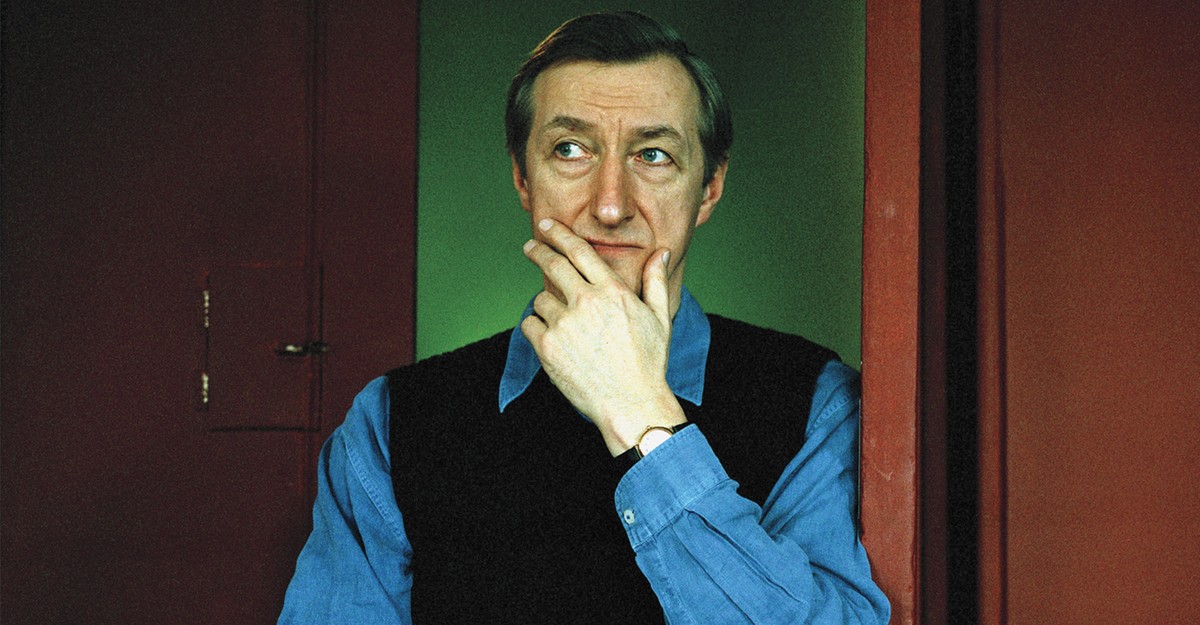
Julian Barnes, now eighty, continues to loosen conventional storytelling by blending sketchy plot, memoir and reflections on memory in Departure(s). The novella frames a two-part romance between Stephen and Jean, university friends who fall in love, separate after graduation, and reconnect in late middle age when Stephen asks Julian to contact Jean. The narrative voice is direct and ruminative, prioritizing examinations of how the brain works and what happens with aging over conventional romantic resolution. The prose balances suave, erudite surfaces with earnest inquiry into the human heart, serving as an extended valedictory flourish.
""Yes-oh, dear, yes-the novel tells a story," E. M. Forster wrote. "I wish that it was not so." Julian Barnes has confessed that as a young man reading Aspects of the Novel, he found this sentiment "feeble" and responded impatiently, "If you aren't up to telling a story, why write a novel?" Barnes, who turned 80 in January, now sings a different tune, and anyway, Forster's wish was long ago granted."
"The scant plot in Departure(s)-a "true story" the narrator swore he wouldn't tell-tracks the two-part romance of Stephen and Jean, friends of his at university who fell in love, broke up when they graduated, then connected again in late middle age after Stephen asked Julian to reach out to Jean. Like many of Barnes's 14 previous novels-including his most famous, Flaubert's Parrot (1984), and the Man Booker Prize winner, The Sense of an Ending (2011)-"
Read at The Atlantic
Unable to calculate read time
Collection
[
|
...
]