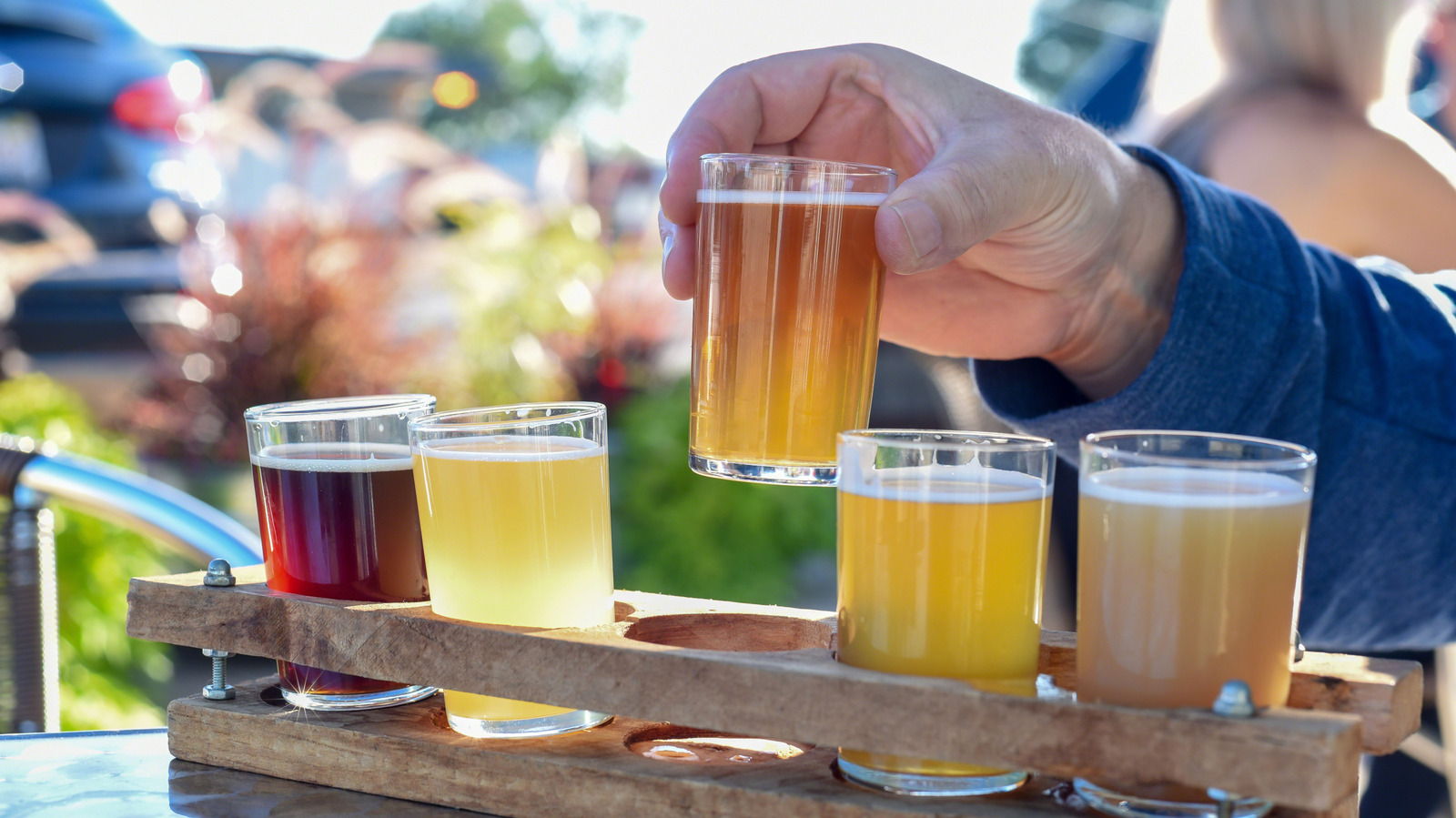
"“Regionality is a huge part of a lot of breweries' DNA,” he explains, “and some very unique ingredients are often foraged for a beer, and the result is something so different that it's very difficult to recreate elsewhere.” The idea that a beer should reflect the place where it's made is a key cornerstone for craft brewers like him. The result is that every season will taste a little different depending on where you are."
"“There are a lot of incentives to using locally sourced ingredients,” Penney notes. “The obvious one is cheaper shipping and a lower carbon footprint.” That local connection helps out your community, too. Many breweries now partner with nearby growers and farmers to source ingredients, creating a mutually beneficial arrangement that keeps money in the local economy."
"A regional approach has become increasingly important in craft brewing as consumers look for experiences and tastes that feel authentic, not mass-produced. As craft beer struggles to remain popular, creating"
Craft breweries provide more than mass-produced beer by using local ingredients, supporting nearby communities, and running smaller batches. Seasonal beers especially reflect regionality through ingredients tied to specific places and growing seasons. Unique foraged or locally sourced components can produce flavors that are difficult to recreate in other regions. Different areas adapt seasonal offerings to local availability, such as using satsumas in the Gulf South or maple syrup in New England during colder months, while summer styles include fruit beers and shandies. Local sourcing also offers incentives like reduced shipping costs and a lower carbon footprint, and it strengthens local economies through partnerships with nearby growers and farmers.
Read at Tasting Table
Unable to calculate read time
Collection
[
|
...
]