"Workers may be hoping that AI can finally take over their drudge work in the new year-ease their loads and shorten the workweek, or at least make more space for life outside the office. And it's something young people in particular are eager to have: 74% of Gen Z rank work-life balance as a top consideration when choosing a job in 2025-the highest of any generation-according to Randstad. And in the more than 20 years of producing its Workmonitor report, it's the first time work-life balance outranked pay as the top factor for all workers."
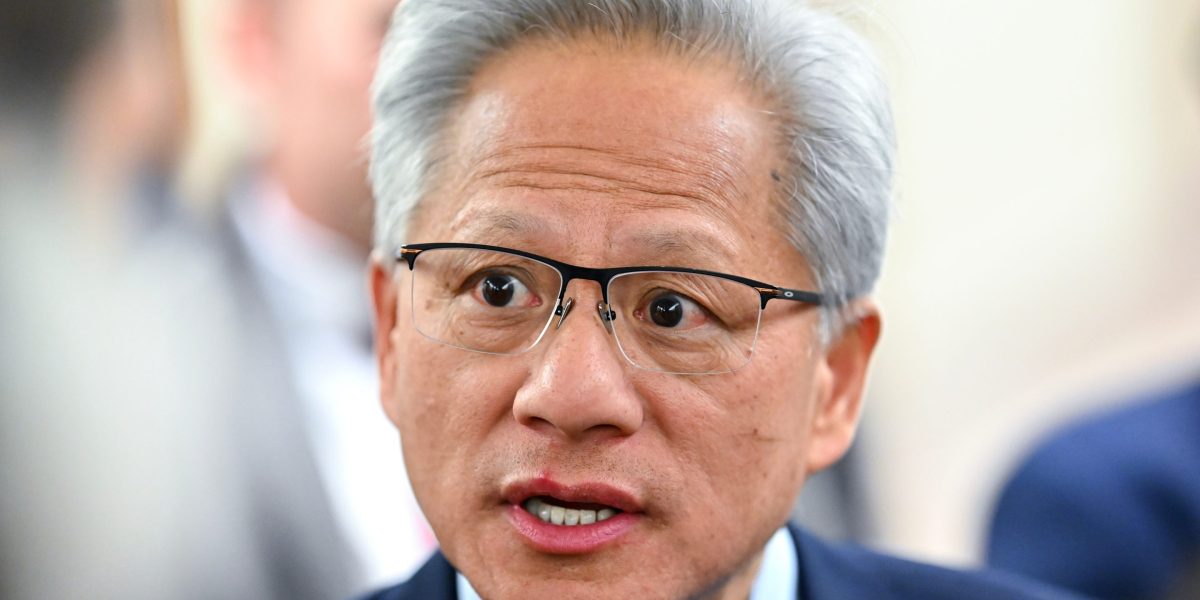
"But as AI has reshaped corporate structures and enhanced productivity levels, many executive leaders are working harder than ever-and expecting everyone else to follow. From pushing return to office mandates to praising around-the-clock availability, CEOs are modeling a culture where the lines between work and life blur. Nvidia's CEO Jensen Huang, for example, said he worked seven days a week this year-including holidays. Zoom's CEO Eric Yuan conceded simply: "work is life.""
"His work schedule is nothing short of rigorous-beginginng from from the moment he wakes up until he's back on the pillow-seven days a week, including holidays. It's a grind fueled not only by the intensity of the AI race, but by a lingering fear of what happens if he ever lets up. "You know the phrase '30 days from going out of business,' I've used for 33 years," Huang said on an episode of The Joe Rogan Experience released in December. "But the feeling doesn't change. The sense of vulnerability, the sense of uncertainty, the sense of insecurity-it doesn't leave you.""
Workers are looking to AI to reduce repetitive tasks, lighten workloads, and potentially shorten the workweek to create more life outside the office. Younger workers prioritize work-life balance strongly: 74% of Gen Z name it a top job consideration for 2025, and Randstad's Workmonitor shows work-life balance outranking pay for the first time in over 20 years. Meanwhile, executives driven by AI competition are working longer and promoting constant availability, with CEOs modeling blurred boundaries between work and life. High-profile leaders publicly endorse seven-day workweeks, leaving the future of work-life balance uncertain into 2026.
Read at Fortune
Unable to calculate read time
Collection
[
|
...
]