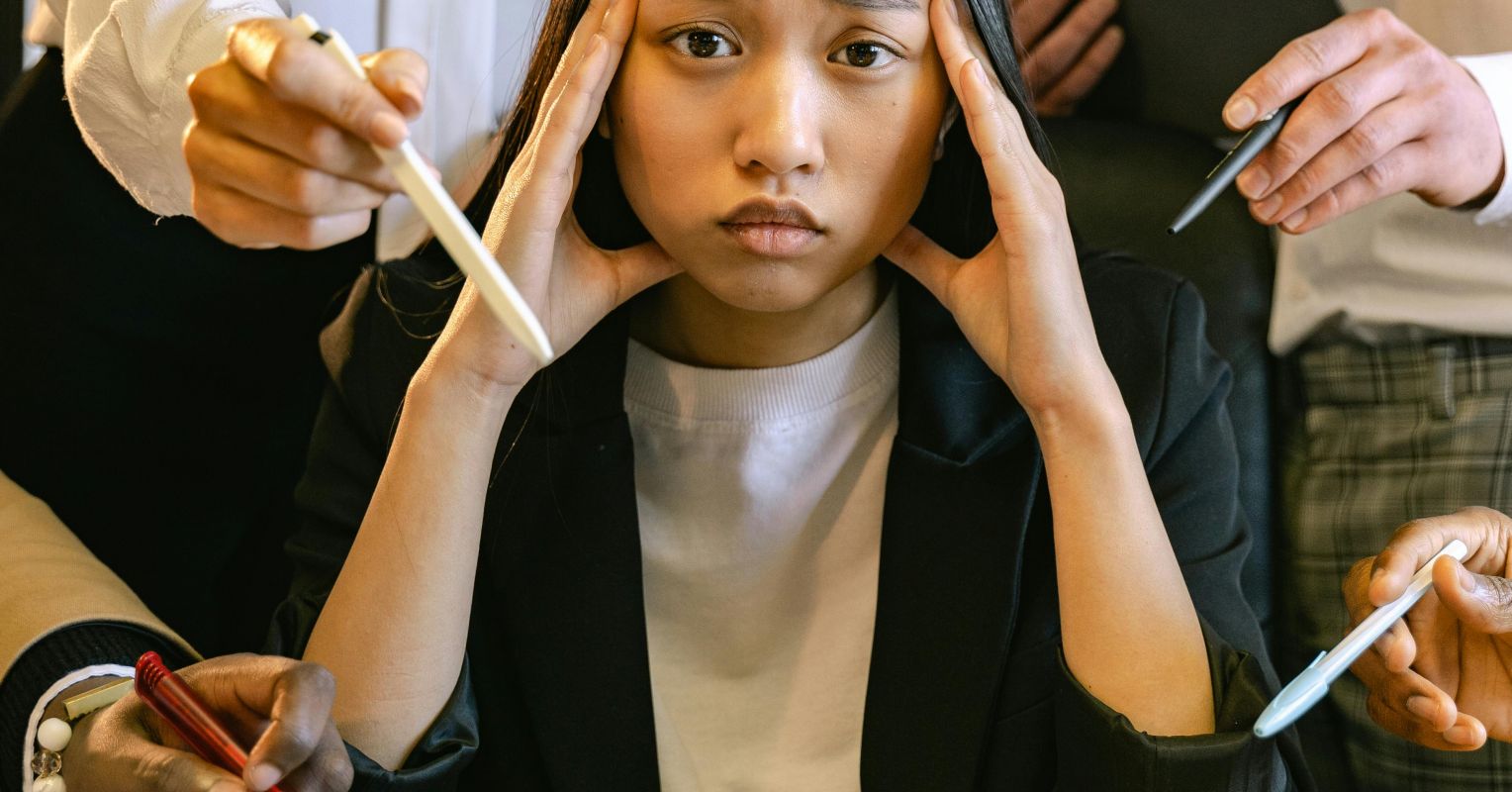
"Attention spans have systematically shrunk across time. This is reflected in changes in how we consume media. In 1986, song intros for Billboard's Top 100 averaged at 23 seconds before vocals began. By 2015, the average intro had shrunk to an average of five seconds. This is a reduction of more than 78 percent. Similarly, TV show intros also got shorter, reflecting viewers' decreased attention spans."
"Researchers have studied this huge change in attention span at work. In 2004, the average time spent on any screen before task-switching was 2.5 minutes. By 2012, it was only 75 seconds. Since 2020, it's about 47 seconds. It makes you wonder how we get anything done at work."
"A recent study found that 74 percent of Gen Zs (those born between 1995 and 2006) and 77 percent of millennials (those born between 1983 and 1994) "believe Generative AI will impact the way they work within the next year." Importantly, these groups are generally optimistic about that impact."
"More than three-quarters report that AI "has improved the quality of their work (78 percent of Gen Zers and 82 percent of millennials), and that it has helped to free up their time and improved their work/life balance (77 percent of Gen Zers and 73 percent of millennials)" ( Deloitte, 2025)."
Attention spans have shortened markedly, shown by much shorter song and TV intros over decades. Screen attention at work has declined from about 2.5 minutes in 2004 to roughly 47 seconds since 2020. Younger workers expect generative AI to affect their jobs soon and report optimism about its effects. Large majorities say AI has improved work quality, freed time, and improved work/life balance. AI simplifies routine tasks, improves efficiency and productivity, and allows more focus on strategic, creative, or high‑depth work. Workflows should be redesigned to let AI handle shallow work and support deeper human thinking.
Read at Psychology Today
Unable to calculate read time
Collection
[
|
...
]