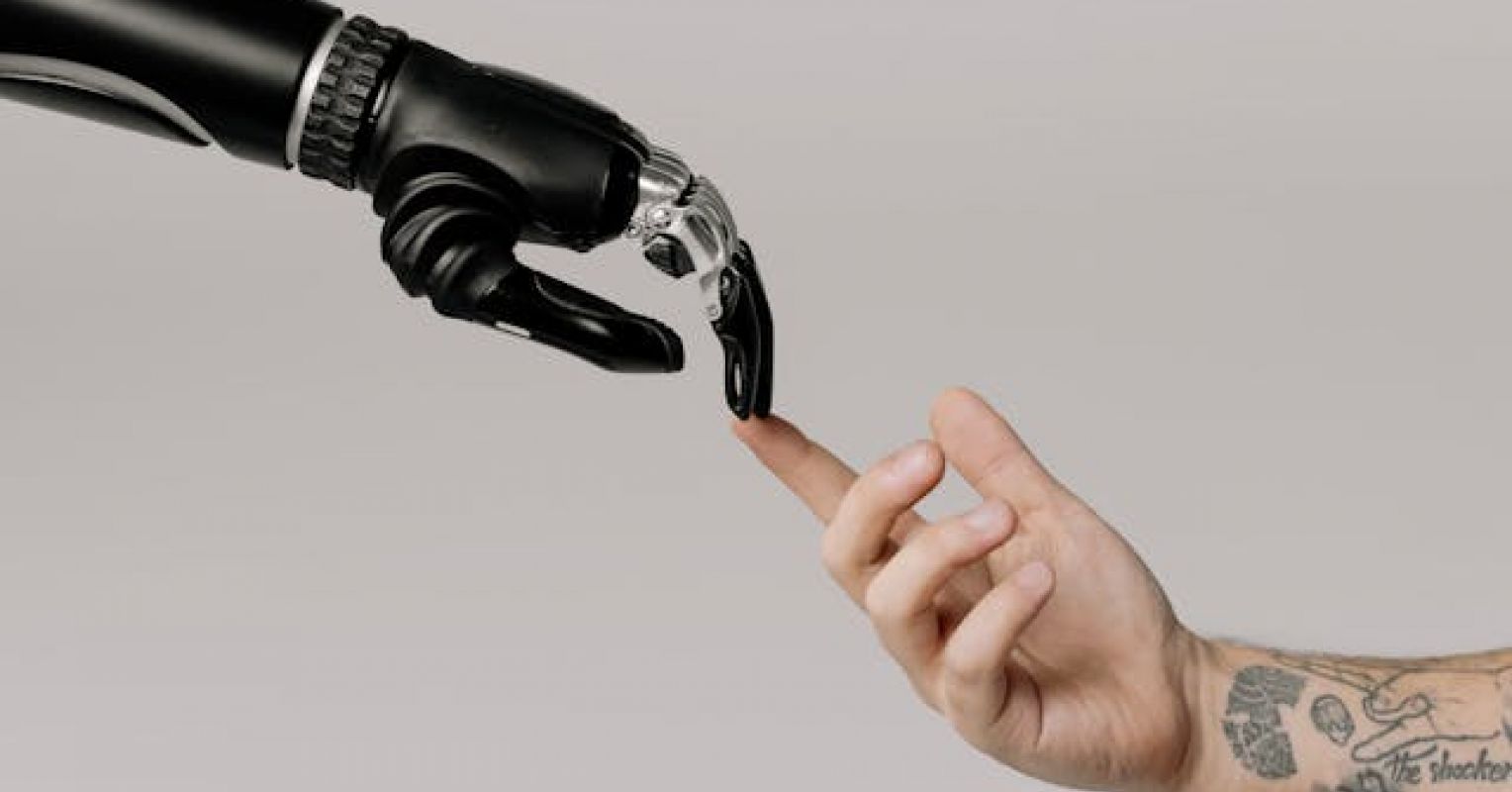
"Artificial intelligence (AI) is at the forefront of daily life. Mass amounts of complicated information can quickly be synthesized, producing immediate answers about almost any topic. Efficiency and accuracy make AI a promising addition to many industries. You may be wondering if AI is going take over. It is a possibility, but AI lacks one essential capability: emotional intelligence (EI). Although AI can certainly define and explain what emotional intelligence is, it does not possess it."
"Emotions fuel a person's motivation, influencing up to 95 percent of their choices. For example, a person is compelled to go to work every day, so they can feel content about taking care of their loved ones. Fear may prevent them from engaging in risky situations that can jeopardize their livelihood. Emotions also signal to a person what is significant about some scenarios."
Artificial intelligence efficiently synthesizes large volumes of complex information and delivers rapid, accurate answers across many domains, making it valuable in numerous industries. Emotional intelligence powers human motivation and shapes up to 95 percent of choices through feelings like contentment and fear that influence behavior and risk-taking. Emotions signal significance, provide energy for effort, and guide decisions and thoughts. Emotionally intelligent people recognize and process both their own nuanced emotions and those of others, allowing constructive responses rather than defensive reactions. High emotional awareness and openness enable deeper understanding of others and more insightful, useful outcomes.
Read at Psychology Today
Unable to calculate read time
Collection
[
|
...
]