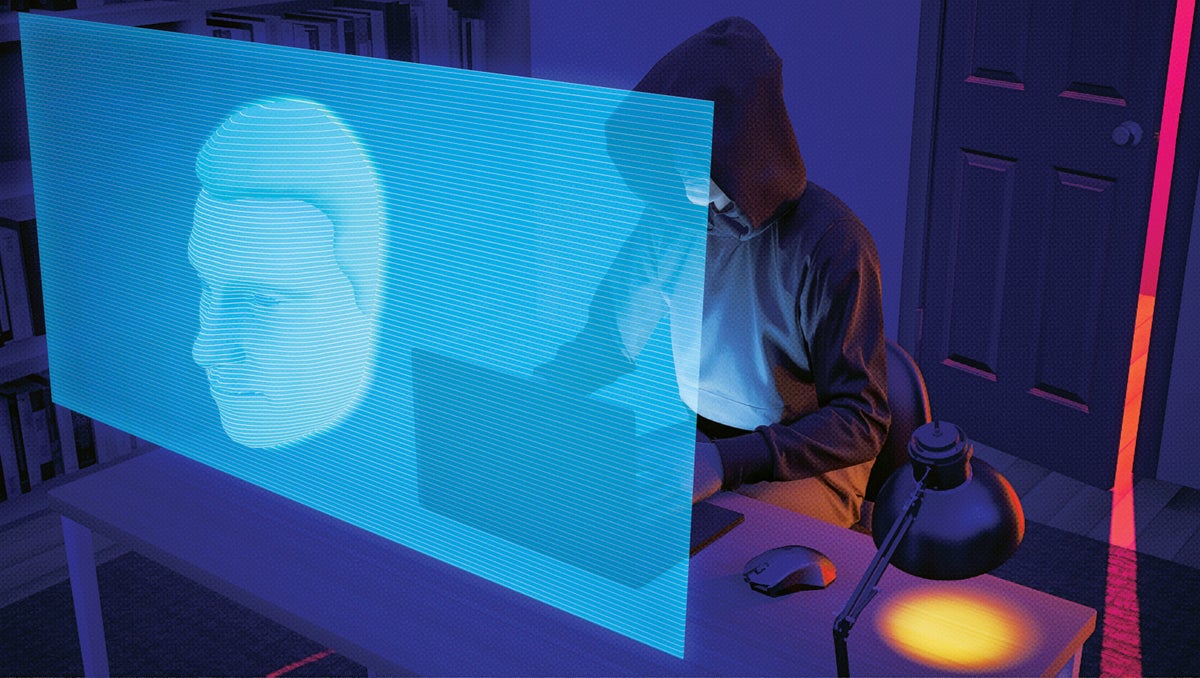
"Deepfakes first spread as a tool of a specific and devastating kind of abuse: nonconsensual sexual imagery. Early iterations often were technically crude, with obvious doctoring or voices that didn't quite sound real. What's changed is the engine behind them. Generative artificial intelligence has made convincing imitation faster and cheaper to create and vastly easier to scaleturning what once took time, skill and specialized tools into something that can be produced on demand."
"Today's deepfakes have seeped into the background of modern life: a scammer's shortcut, a social media weapon, a video-call body double borrowing someone else's authority. Deception has become a consumer feature, capable of mimicking a child's voice on a 2 A.M. phone call before a parent is even fully awake. In this environment, speed is the point: by the time a fake is disproved, the damage is already done."
"He's skeptical of the AI mystique (he prefers the term token tumbler) and even less convinced of the idea that we can simply filter our way back to truth. His argument is plainer and harder: if we want a world where evidence still counts, we must rebuild the rules of liability and go after the choke points that make digital deception cheap and profitable."
Deepfakes originated as tools for nonconsensual sexual imagery and were initially technically crude. Advances in generative AI have made convincing imitation faster, cheaper, and easy to scale, turning a specialized skill into on-demand production. Deepfakes now permeate modern life as tools for scams, social media manipulation, and impersonation in video calls. Rapid dissemination makes speed the main weapon, because harm often arrives before fakes are disproved. Detection methods reveal traces but are not a complete solution. Effective responses must include rebuilding liability rules and targeting the economic choke points that make digital deception cheap and profitable.
Read at www.scientificamerican.com
Unable to calculate read time
Collection
[
|
...
]