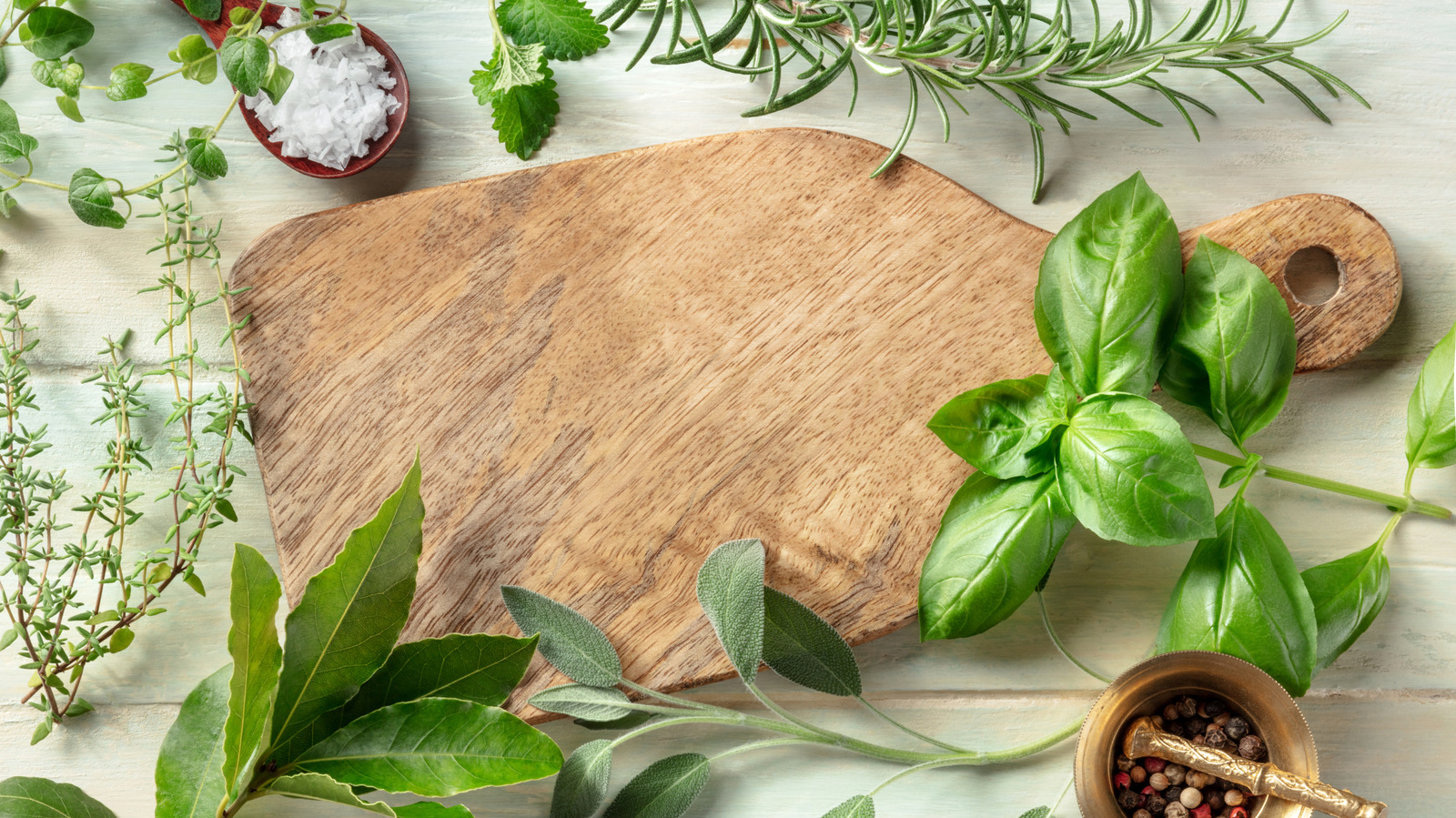
"Fresh herbs offer added nutrition, including vitamins and antioxidants. Parsley in particular is packed with vitamins and flavones, making it a highly versatile herb that can star in all of your dishes. Flavones are a subtype of flavonoids, which are plant-based compounds like apigenin, myricetin, and luteolin that act as antioxidants. They can reduce inflammation and oxidative stress, support glucose metabolism, and offer some immunity against chronic disease."
"Fresh parsley is nutrient-dense, and an excellent source of vitamins A, C, and K. Vitamin K can improve bone health and support blood clotting, while vitamin A is crucial to eye health. Vitamin C offers an immune system boost that can enhance resistance to illness, reduce oxidative stress, and lower your risk of chronic disease."
"The high levels of folate and antioxidants in fresh parsley can reduce blood pressure and homocysteine levels in the blood, thus lowering your risk of heart disease. A cup of chopped parsley contains two grams of fiber, or between 5% and 9% of the recommended daily intake for adults. Eating more fiber can aid in digestion, improve metabolic functions, increase satiety, and support weight loss."
"Parsley is more than just a garnish - its flavor and health benefits can enhance many dishes with its bright, citrusy, and slightly herbaceous flavor. Ancient Romans used it to freshen breath and jump-start digestion after meals. It's easy to find parsley at any grocery store, though flat-leaf parsley is better for cooking"
Fresh parsley adds bright, citrusy, herbaceous flavor while providing nutrition. It contains vitamins A, C, and K, which support eye health, immune function, and bone health and blood clotting. Parsley also provides flavones, a type of flavonoid plant compound, that act as antioxidants and may reduce inflammation and oxidative stress. These compounds can support glucose metabolism and provide some protection against chronic disease. Fresh parsley includes folate and antioxidants that can reduce blood pressure and homocysteine levels, lowering heart disease risk. A cup of chopped parsley provides fiber that supports digestion, metabolic function, satiety, and weight management. Larger amounts in tea or juice may act as a natural diuretic and help flush toxins, potentially lowering kidney stone risk. Flat-leaf parsley is better for cooking.
Read at Tasting Table
Unable to calculate read time
Collection
[
|
...
]