UK politics
fromwww.independent.co.uk
2 hours agoUK bets on private investors to fill climate aid gaps after cuts
UK climate aid is projected to decline, and the government plans to offset cuts by leveraging increased private investment.
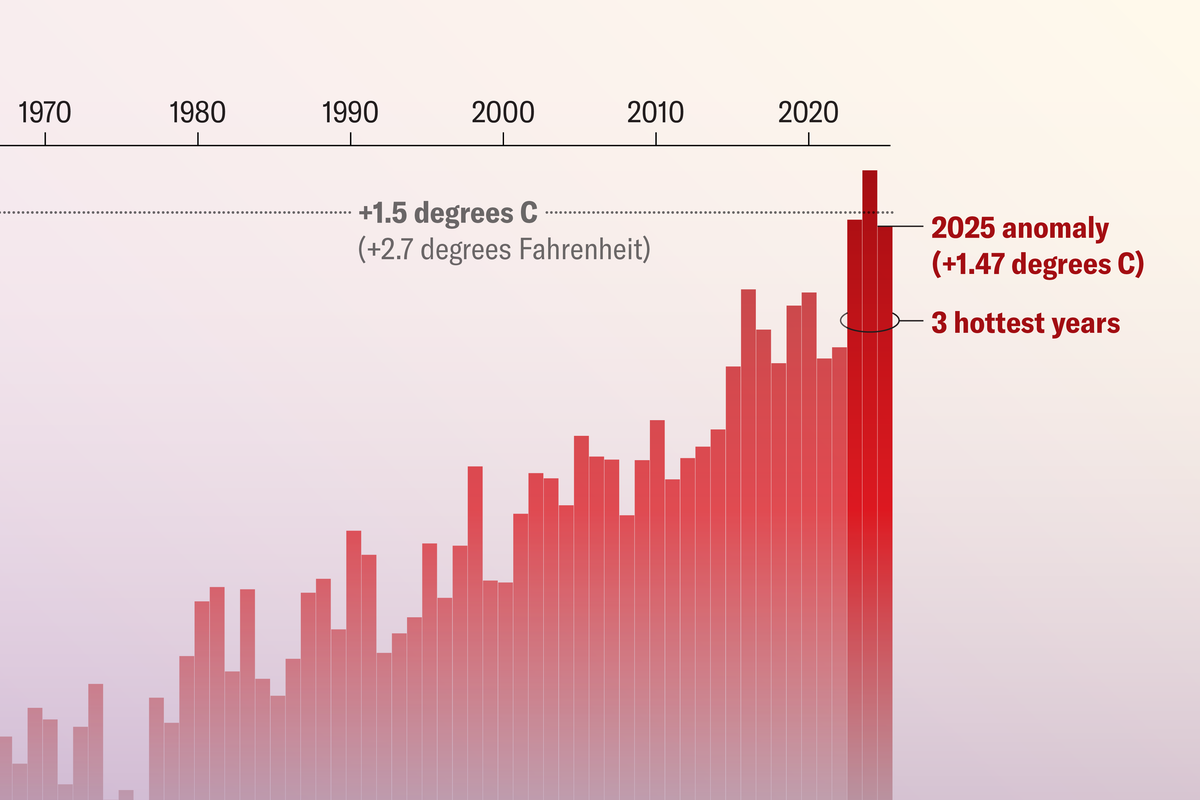
Climate breakdown is occurring more rapidly with the heating rate almost doubling, according to research that excludes the effect of natural factors behind the latest scorching temperatures. It found global heating accelerated from a steady rate of less than 0.2C per decade between 1970 and 2015 to about 0.35C per decade over the past 10 years.
The UN-run market allows companies and countries to offset their excess emissions by financing projects that cut greenhouse gases in other nations. The new initiative involves a clean cooking project in Myanmar, which distributes efficient cookstoves that reduce pressure on local forests. Implemented in partnership with a South Korean company, the project will generate credits that will count towards the climate targets of South Korea and Myanmar.
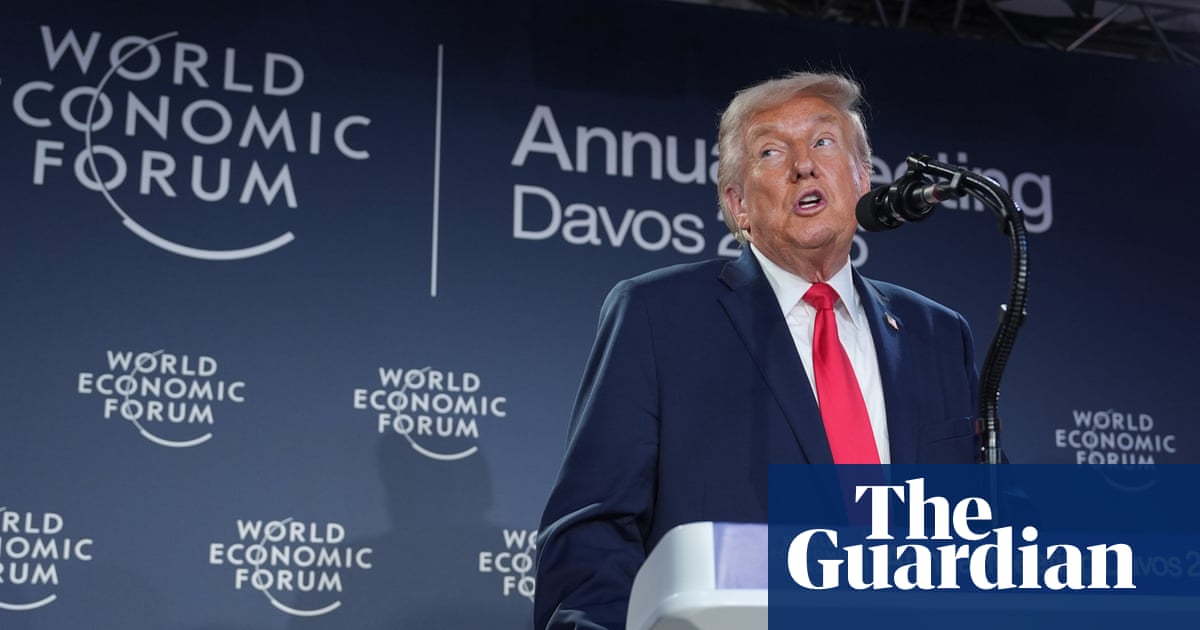
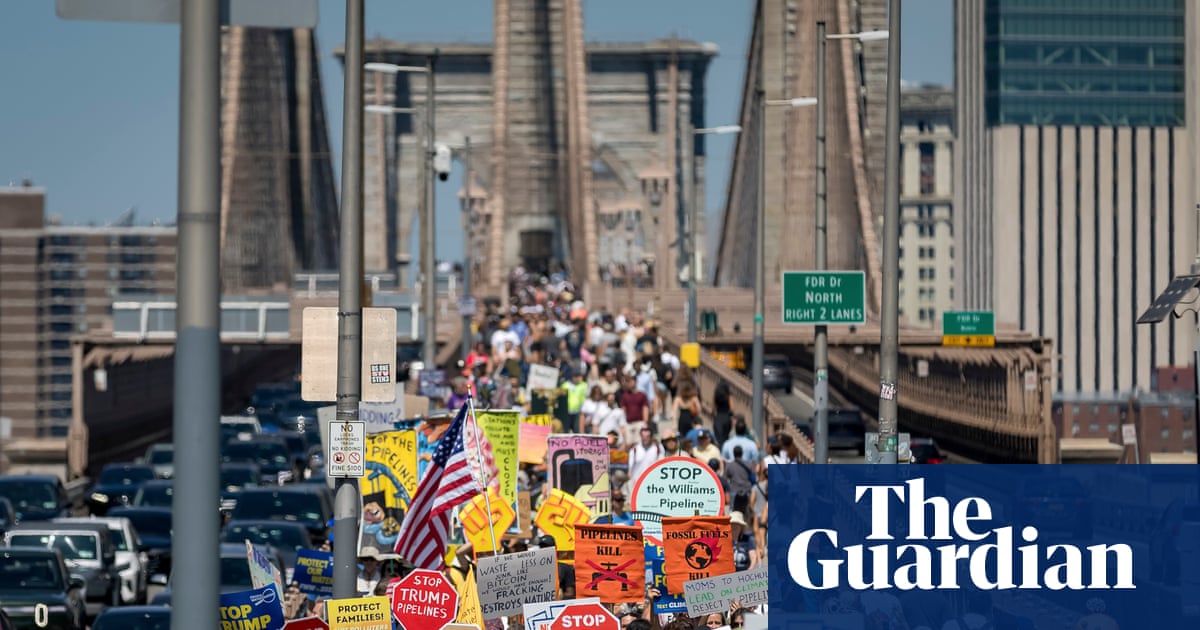
In a Wednesday presidential memorandum, the president said the US shall withdraw from the UN Framework Convention on Climate Change (UNFCCC), along with 65 other organizations, agencies and commissions that it deemed contrary to the interests of the United States. It marks the first time any country has ever moved to exit the agreement. The UN climate body requires one year's notice for withdrawal, so the United States will not cease being a party for a year.
Militaries are major global polluters, yet they remain exempt from climate reporting, creating a blind spot that threatens the entire COP30 roadmap. As COP30 negotiations in Belem enter their final stretch, there is hope that countries might finally agree on a roadmap to phase out fossil fuels a breakthrough that is crucial if we are serious about keeping 1.5C alive. Yet even at this pivotal moment, one major highway is still missing from that roadmap that could undermine the progress made in Brazil: the carbon emissions of the military.
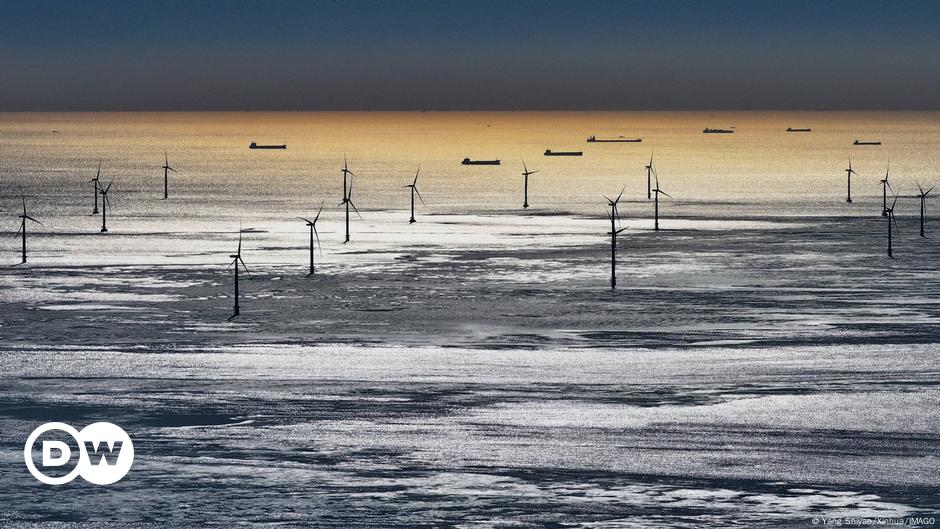
In envisioning a green future, European politicians failed to account sufficiently for the social impact of the energy transition. The EU's efforts to engage with and compensate those who stood to lose fell short. Regions and workers reliant on carbon-intensive industries, disadvantaged social groups and poorer countries disproportionately affected by the climate crisis and regressive economic consequences of the transition were all hit. Criticism of these failings is valid, but the EU undeniably backed its commitments with action, putting its money where its mouth was.
Under the terms of the 2015 agreement, world leaders pledged to limit the average global temperature rise to well below 2 degrees Celsius (3.6 degrees Fahrenheit) and pursue efforts to cap it at 1.5 degrees. Countries also agreed to renew and communicate their targets every five years. The latest submission deadline was earlier this year, and the pressure is now on for states to announce their latest commitments to moving away from fossil fuels.
Six years after Donald Trump allegedly wrote a suggestive birthday note to Jeffrey Epstein, the current US president put his name to something that now seems almost as shocking: a letter calling for action on the climate crisis. In 2009 Trump, then a real estate developer and reality TV personality, was among a group of business leaders behind a full-page advertisement in the New York Times calling for legislation to control climate change, an immediate challenge facing the United States and the world today.
In a video address to the United Nations Climate Summit on 24 September, Chinese president Xi Jinping announced that China will reduce greenhouse-gas emissions by 7% to 10% from peak levels by 2035. The pace at which China cuts emissions will have profound global impact. The country has accounted for 90% of the growth in the world's CO emissions since 2015 and it is now the largest GHG emitter in the world
Fadi Farhat emphasized that the Paris London migrant deal is 'toothless' and fails to deliver the effectiveness claimed by the government.