#greenhouse-gas-emissions
#greenhouse-gas-emissions
[ follow ]
#climate-change #climate-policy #paris-agreement #sustainability #data-centers #cop30 #ai-data-centers
fromwww.npr.org
21 hours agoMontana tribes combine traditional knowledge and Western science in climate plan
Warmer temperatures, beetle outbreaks, and an invasive fungus have killed half the population of the sacred trees since the 1990s. But whitebark pines are a symbol of hope to Durglo. The Tribes have been harvesting cones from healthy trees to regrow seedlings resistant to the fungus. Restoring whitebark pine forests will also help keep snow on the landscape longer and stave off drought and wildfires.
US news
fromwww.theguardian.com
1 day agoGreen card for the planet'? Fifa's World Cup is on pace to be a climate catastrophe
The 2026 World Cup is not only the most politically combustible tournament in modern history, but it is also on track to be the most polluting World Cup ever, with total greenhouse gas emissions hitting nearly two times the historical average. Scientists conservatively project that the tournament will generate around 9m tons of carbon dioxide equivalent. Air travel comprises approximately 7.7m tons of this carbon budget, and more than four times that of the average for tournaments held between 2010 and 2022. The researchers note that the worst-case upper estimate for air transport is about 13.7m tons of CO2.
Environment


#sustainability
Marketing tech
fromExchangewire
2 months agoSBTi Approves Adform's Near-Term Science-Based Emissions Reduction Target - ExchangeWire.com
Adform's science-based greenhouse gas emission reduction targets have been validated by the Science Based Targets initiative, committing to 42% absolute emissions reduction by 2030.






fromLos Angeles Times
1 month agoEverything you need to know about the 2026 Long Beach Grand Prix
"This year marks the fourth season that IndyCar has used 100% renewable race fuel for the NTT IndyCar Series - the first motorsport series in North America to utilize this type of fuel. Developed through a collaboration with Shell, this innovative fuel consists of a blend of second-generation ethanol derived from sugarcane waste and other biofuels mainly derived from animal waste."
Cars

fromLondon Business News | Londonlovesbusiness.com
1 month agoGovernment urged to drill in the North Sea to boost oil and gas production - London Business News | Londonlovesbusiness.com
OEUK highlighted that natural gas extracted from the North Sea has a significantly lower emissions footprint compared to imported liquefied natural gas (LNG), which often involves more environmentally taxing transportation and processing methods.
Environment
fromEngadget
1 month agoStates are suing the EPA for relinquishing its role as a greenhouse gas emissions regulator
The lawsuit specifically argues that the EPA's decision to rescind a 2009 study that determined greenhouse gases are dangerous to public health was illegal. The study, which is the source of what's called the "Endangerment Finding," was one of several justifications - along with things like the Clean Air Act - for the agency's ability to regulate emissions.
Environment
Germany news
fromwww.dw.com
2 months agoGermany's Climate Protection measures are barely on target
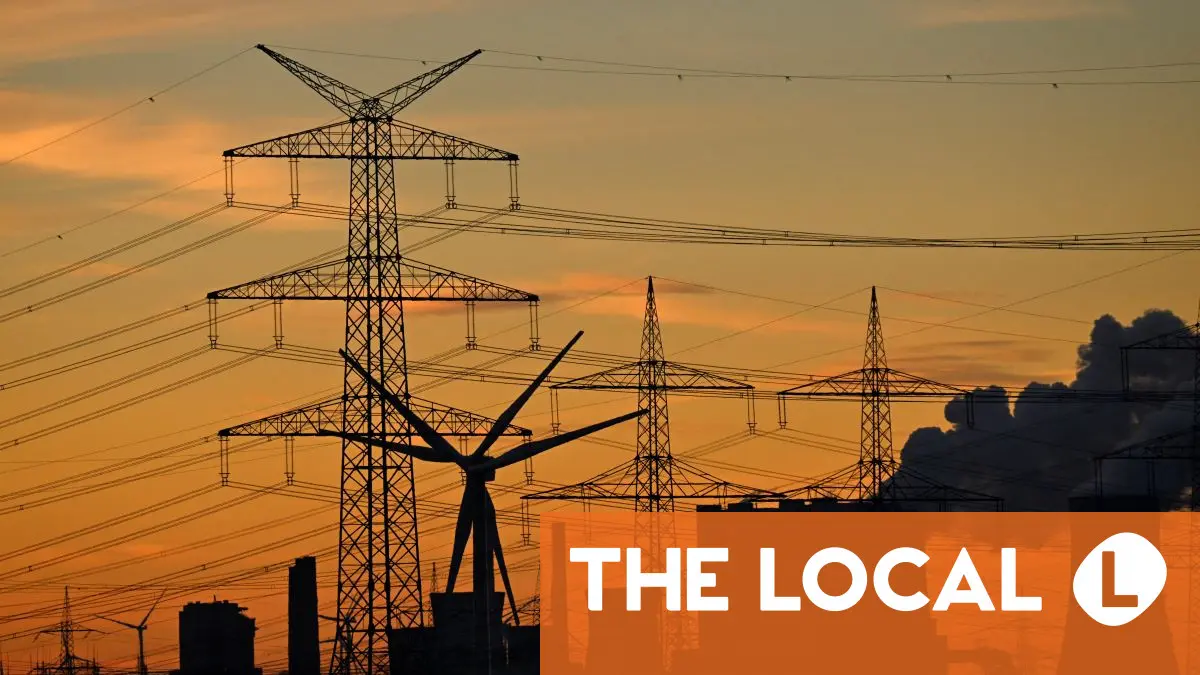
Germany's climate protection efforts have stalled under the new conservative government, with emissions falling only 0.1% in 2025 and plans to build new gas-fired power plants undermining previous environmental commitments.
European startups
fromTNW | Ecosystems
2 months agoAIRMO raises 5M to put methane-sniffing satellites in orbit by 2027
AIRMO secured €5 million seed funding to launch its first satellite in 2027, deploying micro-LiDAR and SWIR imaging technology capable of detecting methane leaks the size of a leaking car from orbit.
Environment
fromwww.theguardian.com
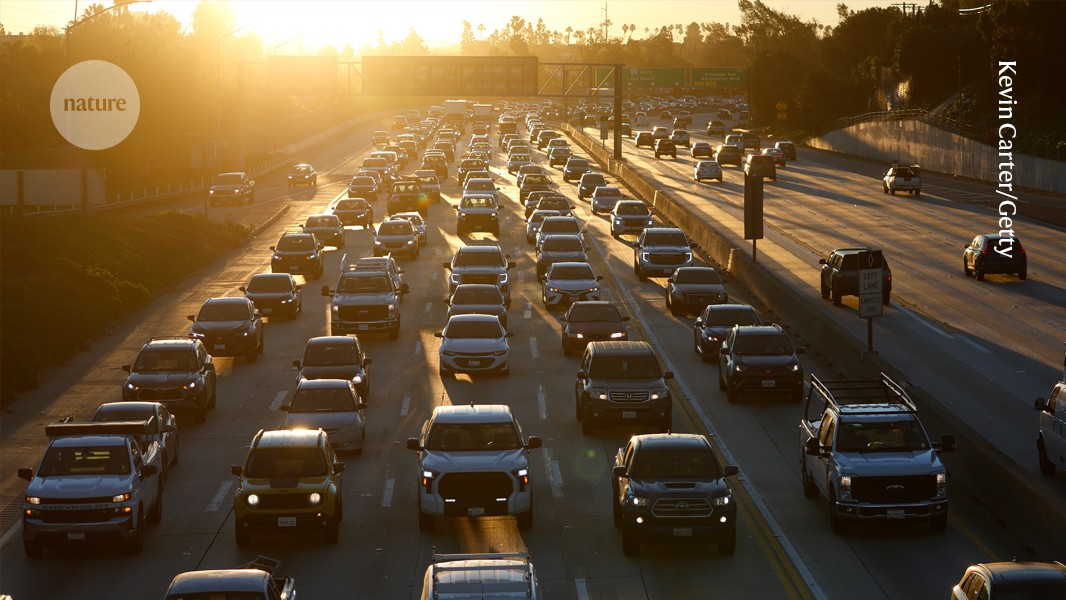
2 months agoHow green is your milk? We compare the environmental cost of dairy and plant-based options
Plant-based milks have lower emissions than dairy, but environmental impact varies significantly based on water use, fertilizer, packaging, and processing across all milk types.


Environment
fromEarth911
3 months agoGuest Idea: How Renewable Energy Innovations are Cultivating a Healthier Planet
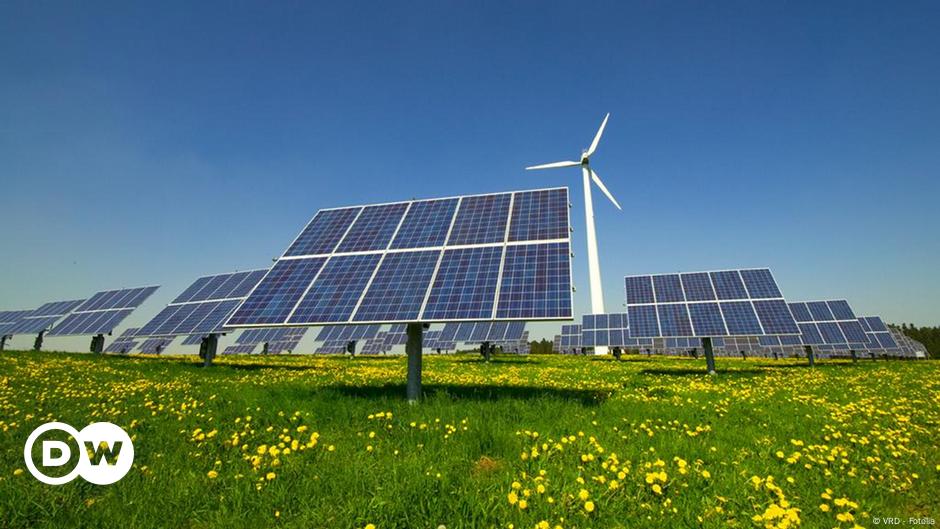
Transitioning from fossil fuels to renewable energy is necessary to reduce deadly pollution, protect ecosystems, stabilize the economy, and requires coordinated policy and individual actions.
fromThe Verge
3 months agoIt's a new heyday for gas thanks to data centers
The US is now leading a global surge in new gas power plants being built in large part to satisfy growing energy demand for data centers. And more gas means more planet-heating pollution. Gas-fired power generation in development globally rose by 31 percent in 2025. Almost a quarter of that added capacity is slated for the US, which has surpassed China with the biggest increase of any country.
Environment
fromStreetsblog
3 months agoImproving Road Safety Is A Win For The Climate, Too - Streetsblog USA
Hundreds of preventable fatalities and more than 13 million metric tons of climate pollution would be avoided by 2045 if Congress passed legislation that answered advocates' long- time demand to require state DOTs to set declining annual fatality targets - and reallocate highway money to safety projects if they don't meet those goals, according to a new analysis from Evergreen Action.
US politics
fromFast Company
4 months agoThis old Pennsylvania coal town could get a reboot from AI
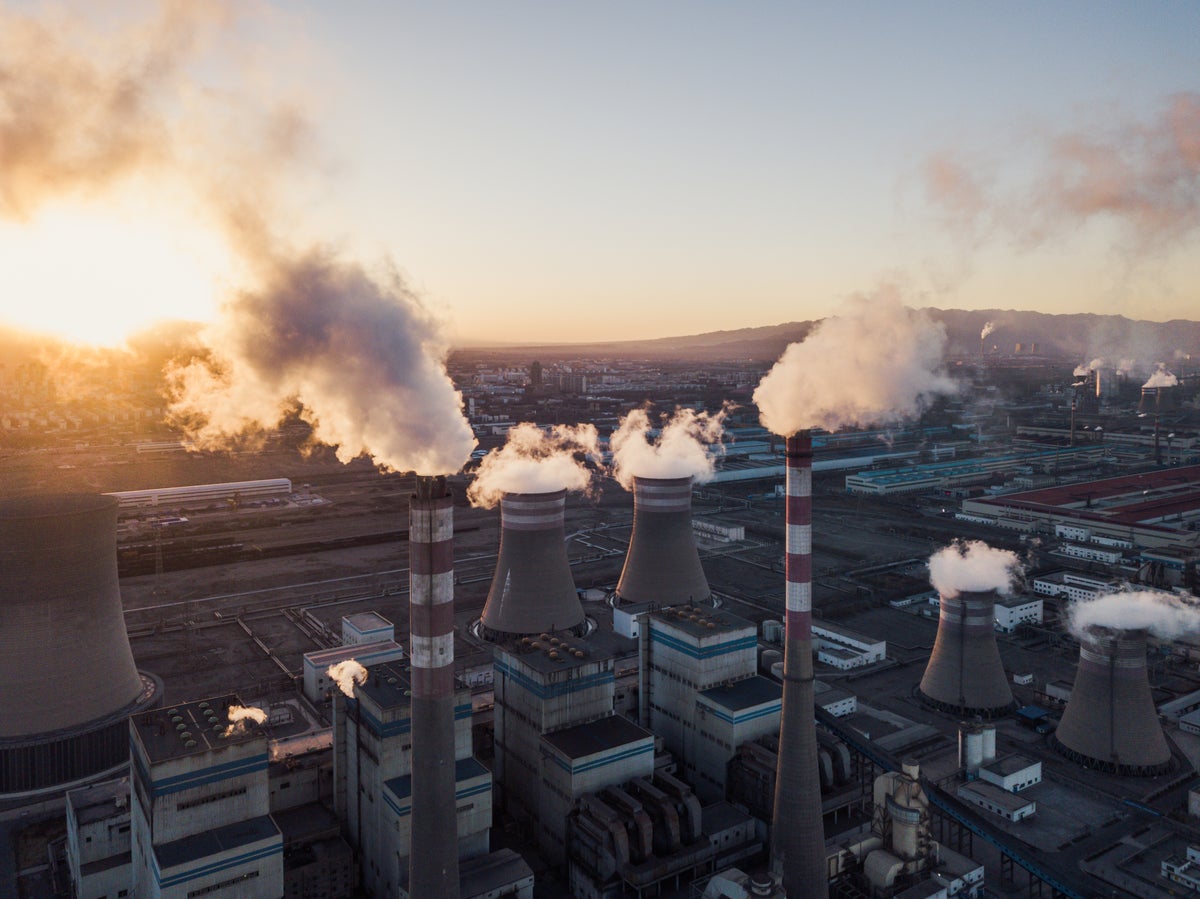
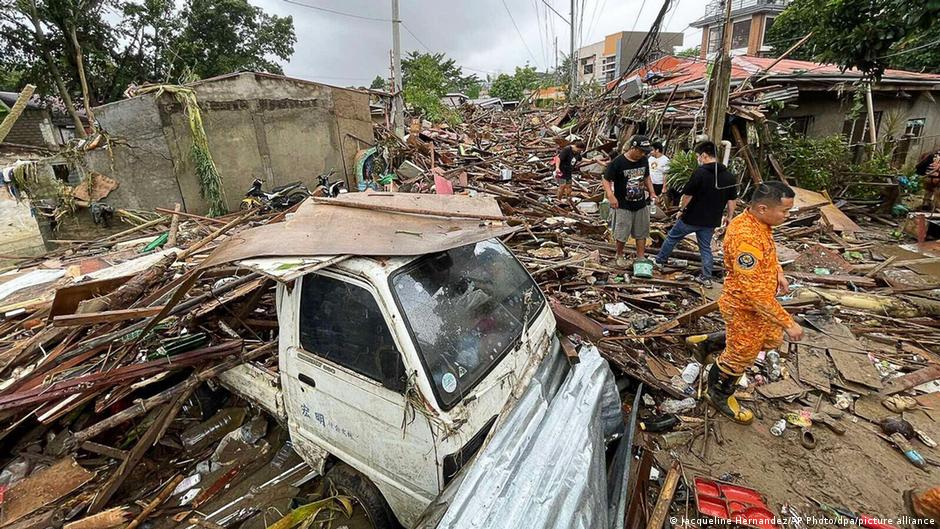
For decades, he's lived in Homer City, a southwestern Pennsylvania town that was once home to the largest coal-fired power plant in the state. The plant, which shares its name with the town, closed nearly three years ago after years of financial distress. Dudash, 89, has lived in the shadow of its smokestacks-said to be the tallest in the country before they were demolished-for much of his life.
Environment


Canada news
fromwww.cbc.ca
4 months agoArcelorMittal Dofasco quietly extends 'green' steel timeline by decades, gets $50M more from Ottawa | CBC News
ArcelorMittal Dofasco postponed coal phase-out until 2050 and received an extra $50 million federal funding, extending decommissioning timeline from 2028.
US politics
fromNonprofit Quarterly | Civic News. Empowering Nonprofits. Advancing Justice.
4 months agoDamn the Torpedoes! Trump Ditches a Crucial Climate Treaty in Latest Move to Dismantle America's Climate Protections | Nonprofit Quarterly | Civic News. Empowering Nonprofits. Advancing Justice.
The United States withdrew from the UN climate treaty while climate impacts worsen and federal governance dismantles climate monitoring, reporting, and international science cooperation.

fromWIRED
4 months agoThe Earth Is Nearing an Environmental Tipping Point
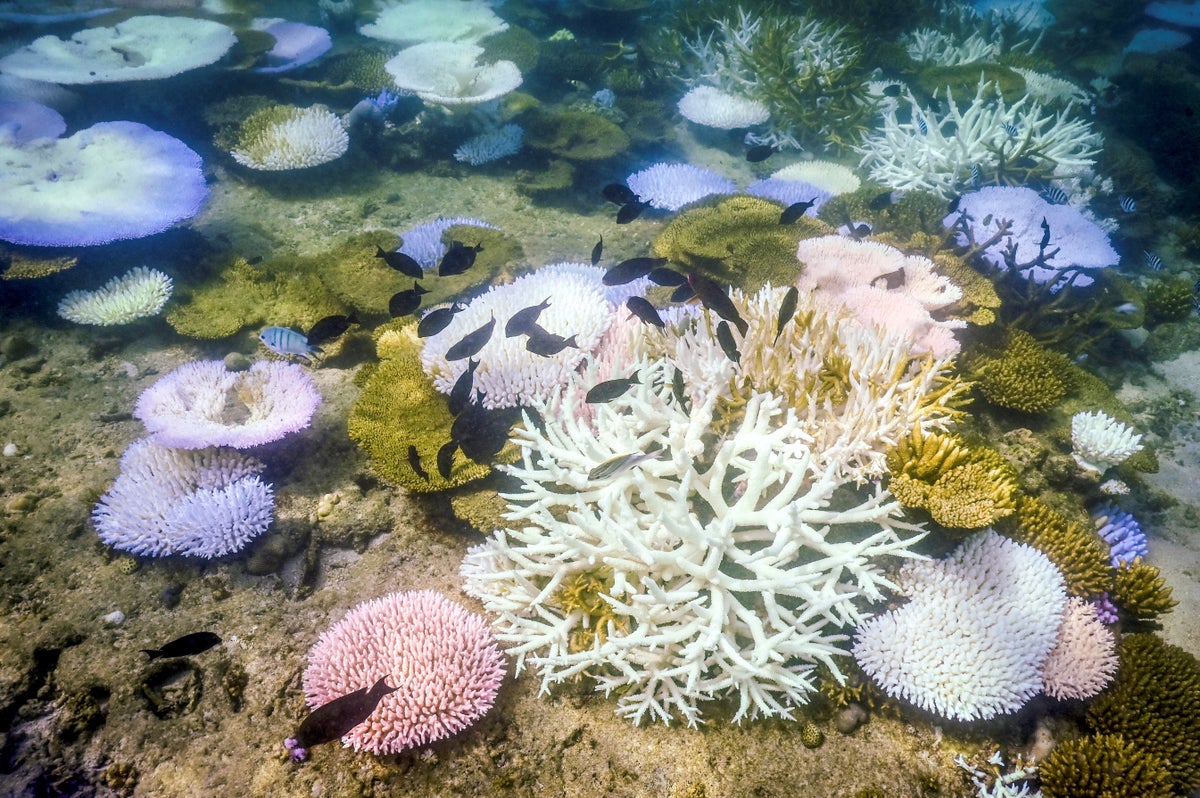
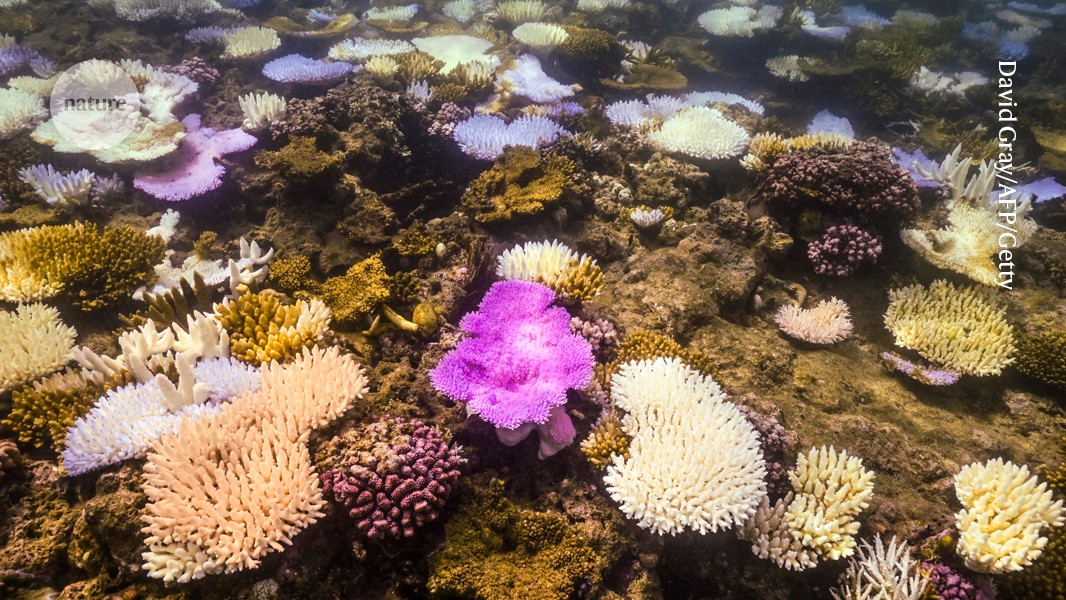
The emissions in our atmosphere are at work, heating the planet, acidifying our oceans, and leading to climate-fueled disasters: heat waves, fires, flooding, droughts, and storms. For some climate impacts, devastation can be followed by the painstaking work of recovery. But for many natural systems, like our tropical coral reefs, the stress we are putting on them is reaching the realms of permanent decline and ultimate collapse.
Environment
fromState of the Planet
4 months agoScience for the Planet: Engineering a Cooler Future Through Smarter Buildings
Buildings are among the world's largest sources of greenhouse gas emissions. Improving how they use energy offers one of the fastest and most cost-effective ways to curb climate change. Alexis Abramson, professor and dean at the Columbia Climate School, is an engineer whose research focuses on making buildings more efficient through data analytics, machine learning and smart design. By studying thousands of buildings and analyzing their electricity use, for example, she has been able to uncover ways to significantly cut energy consumption and emissions.
Environment
fromTruthout
4 months agoTrump EPA Plan Would Restrict Public's Right to Know About Climate Pollution
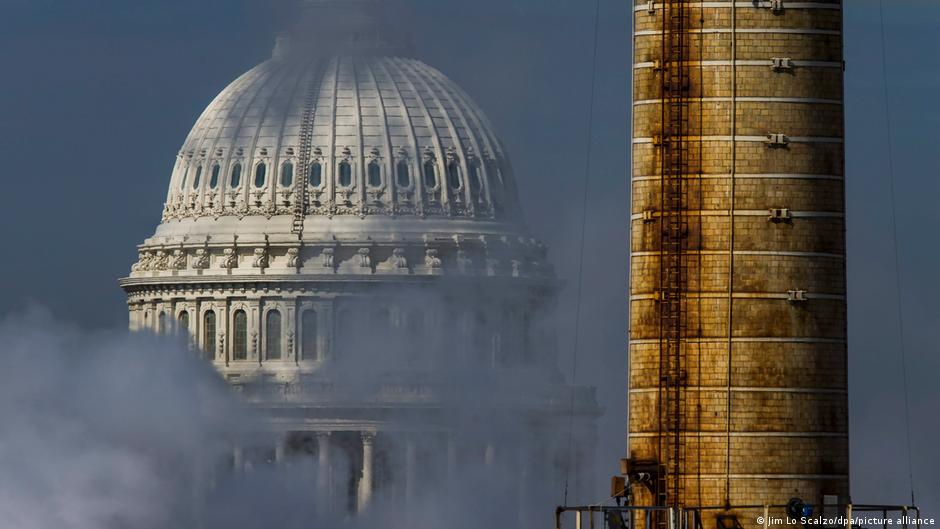
The data, which the EPA's Greenhouse Gas Reporting Program has been collecting since 2011, is essential in efforts to reduce emissions and provides vital information to the public about climate pollution from the largest U.S. polluters. However, the Trump EPA has proposed to put an end to greenhouse gas reporting by major polluters. This move is consistent with the Trump administration's intent to make climate denial an official U.S. policy and restricts the public from the right to know.
Environment
fromWIRED
4 months agoTrump's Agriculture Bailout Is Alienating His MAHA Base
But there's a catch: only major commodity farming operations-such as those that grow corn, cotton, peanuts, rice, wheat, and soybeans-will be eligible for more than 92 percent of the money, which is scheduled to begin flowing in February. The move is par for the course from the administration, which has allocated a near-record total of $40 billion in farm subsidies this year, with at least two-thirds of those payments having gone to commodity farms.
US politics
fromwww.standard.co.uk
5 months agoLondon borough named in top five most peaceful places to live in England
The verdict was based on factors including low noise levels, minimal light pollution and limited environmental disruption. Property company Sell House Fast analysed noise complaints, artificial light exposure, vacant homes, sewage works and greenhouse gas emissions of every local authority in England. Locals in Bromley enjoy some of the most peaceful living conditions in the country. Here they enjoy the Beckemham bandstand Historic England, Chris Redgrave
UK news
fromwww.scientificamerican.com
5 months ago2025 Likely to Tie for Second-Hottest Year on Record
The European Union's Copernicus Climate Change Service (C3S) reported data up to November 2025 that show this year has been 1.48 degrees C above the average from 1850 to 1900. That's right around the target set by the 2015 Paris climate agreement, under which countries pledged to limit warming to below 1.5 degrees C and well below 2 degrees C. Despite 2024's record-setting temperatures and 2025's proximity to the 1.5-degrees-C threshold, scientists must take into account many years of data before they can say with certainty that the Paris Agreement's target has been breached.
Environment
fromFuturism
5 months agoTrump Announces Plan to Make Cars Pollute More
On Wednesday, president Trump announced plans to drastically lower fuel efficiency standards for new cars and pick-up trucks, the New York Times reports, claiming the move will save over $100 billion over the next five years and lower the average price tag of new vehicles by $1,000. But both symbolically and in actual effect, the move would be firmly putting Biden era environmental policy in the rear view mirror, ditching regulations and consumer incentives to encourage the adoption of electric vehicles.
US politics
fromMail Online
5 months agoScientists come up with method to stop the Gulf Stream collapsing
Melting the West Antarctic Ice Sheet could save the Gulf Stream, a remarkable new study reveals. The vast icy mass in the southern hemisphere contains around 750,000 cubic miles of ice - enough to fill Wembley Stadium nearly three billion times. As it melts, the West Antarctic Ice Sheet sends salty water towards the North Atlantic, which helps the water stay dense enough to keep the crucial ocean current moving, the study authors reveal.
Science
US politics
fromTruthout
5 months ago6 Democratic Governors Have Linked Arms With the GOP to Push Fossil Fuels
Deregulating energy infrastructure permitting would increase greenhouse gas emissions, toxic pollution, harm polluted communities, and enable AI data center proliferation raising utility bills.
fromwww.theguardian.com
5 months agoWe can no longer predict the seasons': Why Indonesia's coal mindset has to change
Indonesia has experienced rapid economic growth over the past two decades, at an average of 5% a year since 1997. But this progress has been powered by carbon-intensive resources at a steep cost to the environment. Deforestation, peatland drainage and the extraction and burning of coal have powered Indonesia's development model, reshaping landscapes through timber, pulp and mineral excavation and palm-oil booms.
Environment

fromFast Company
6 months agoThe U.S. decarbonized electricity and doubled its economy. Here's the next power test
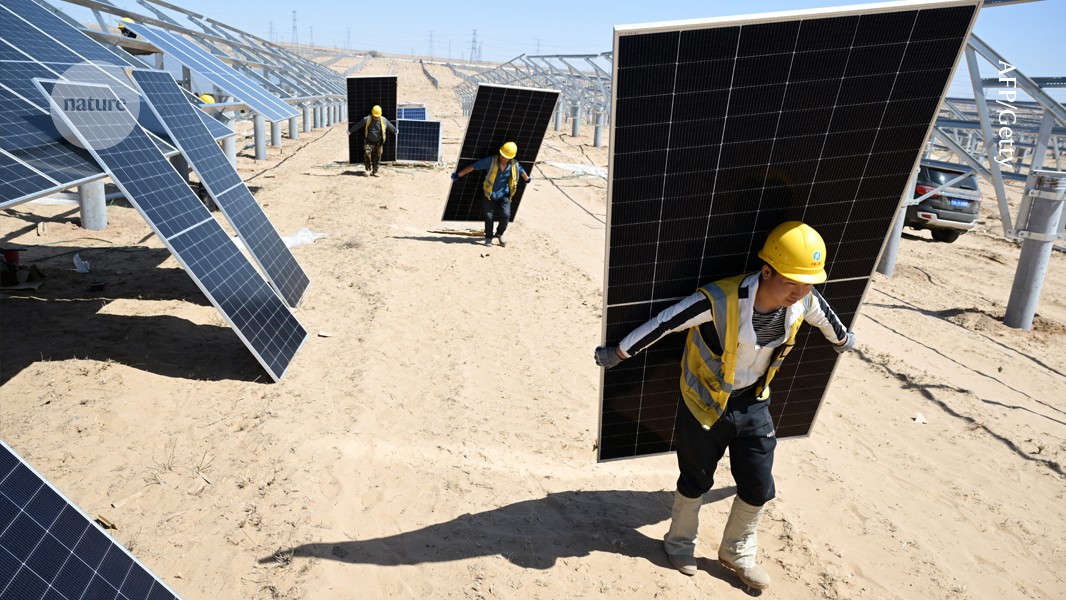
Over those three decades, the U.S. population soared by 28% and the economy, as measured by gross domestic product adjusted for inflation, more than doubled. Yet U.S. emissions from many of the activities that produce greenhouse gases-transportation, industry, agriculture, heating and cooling of buildings-have remained about the same over the past 30 years. Transportation is a bit up; industry a bit down. And electricity, once the nation's largest source of greenhouse gas emissions, has seen its emissions drop significantly.
Environment
Environment
fromNature
7 months agoMetals are key to the global economy - but three challenges threaten supply chains
Global metal supply chains face dwindling reserves, rising demand, and high greenhouse-gas emissions requiring material substitution, efficiency, recycling, cleaner production, and policy action.
Toronto
fromwww.cbc.ca
7 months agoOntario auditor general to release four special reports, including on child care, pollution reduction | CBC News
Ontario's auditor general will release four reports examining child care implementation, Skills Development Fund training, greenhouse gas reduction progress, and home construction regulation.
fromwww.eastbaytimes.com
7 months agoAlameda mayor: It's time to have a word about e-bikes and e-scooters
We need to talk about e-bikes and e-scooters: The city of Alameda encourages active transportation walking, bicycling and riding public transportation to reduce greenhouse gas emissions (GHGs) that cause global warming and sea level rise and for the health benefits. Marilyn Ezzy Ashcraft is the mayor of Alameda. (photo courtesy of Maurice Ramirez BANG archives) Transportation, primarily on-road travel, is the single largest source of GHGs in California, according to the California Air Resources Board.
Environment
fromwww.nature.com
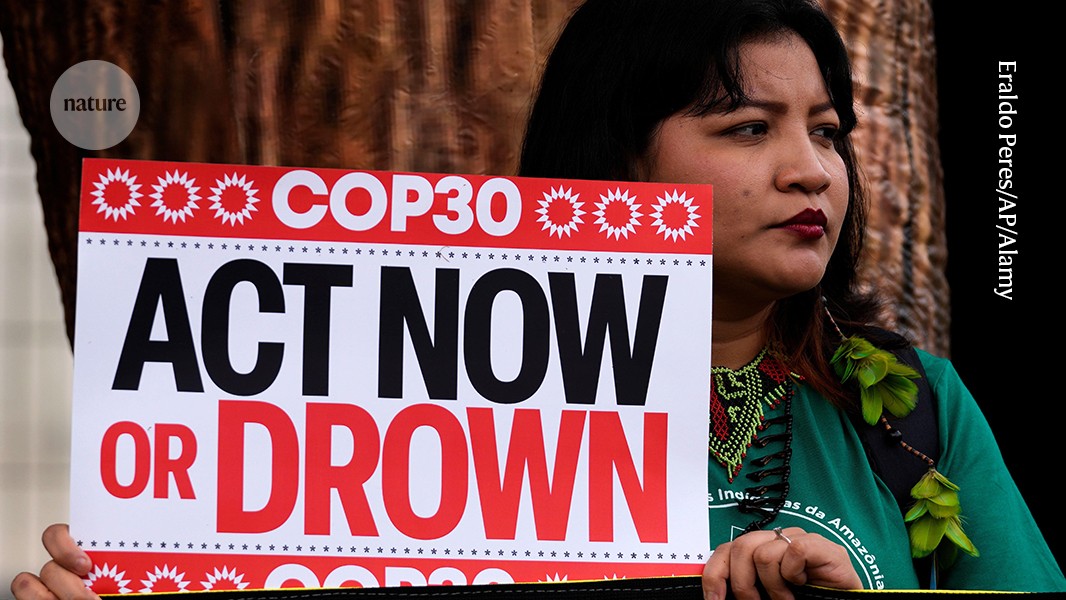
7 months agoWhy China's New Emissions Target Matters for the Whole Planet
In a video address to the United Nations Climate Summit on 24 September, Chinese president Xi Jinping announced that China will reduce greenhouse-gas emissions by 7% to 10% from peak levels by 2035. The pace at which China cuts emissions will have profound global impact. The country has accounted for 90% of the growth in the world's CO emissions since 2015 and it is now the largest GHG emitter in the world
Environment
[ Load more ]