#cop30
#cop30
[ follow ]
#fossil-fuels #climate-finance #fossil-fuel-phase-out #climate-negotiations #deforestation #indigenous-rights



Environment
fromFortune
3 months agoI went to COP30-and saw how the rest of the world is pushing climate action even as the U.S. steps back | Fortune
Global climate governance is shifting toward implementation and distributed leadership as U.S. influence wanes and major agreements avoid direct fossil-fuel commitments.


fromwww.theguardian.com
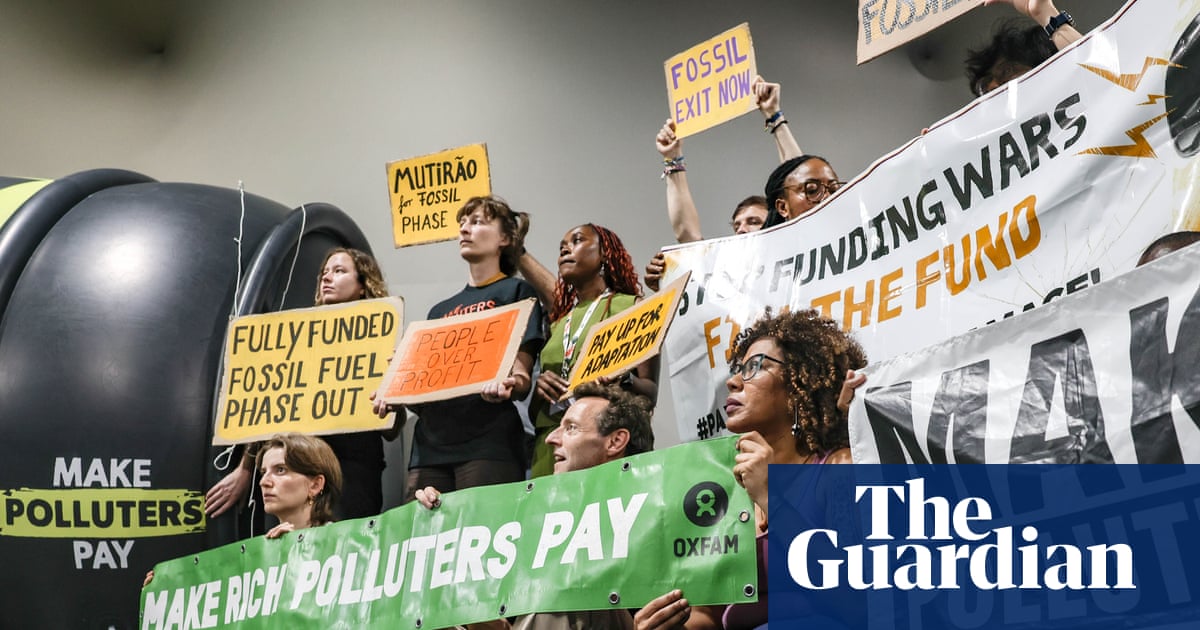
3 months agoProtests, tears and a baby: five key images that tell the story of Cop30
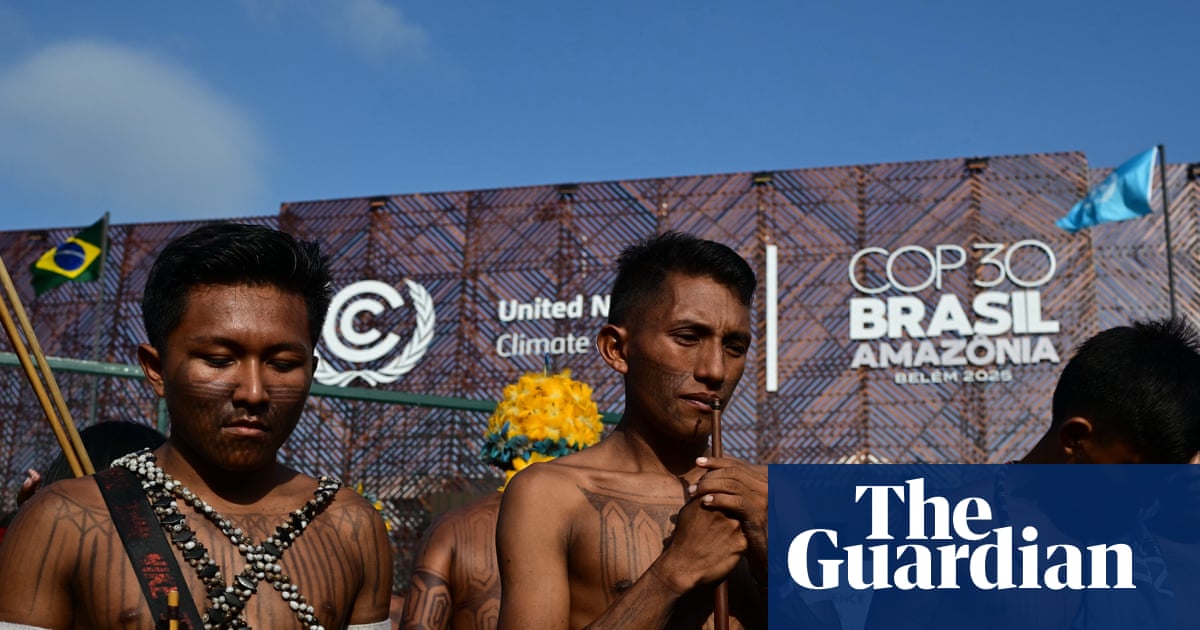
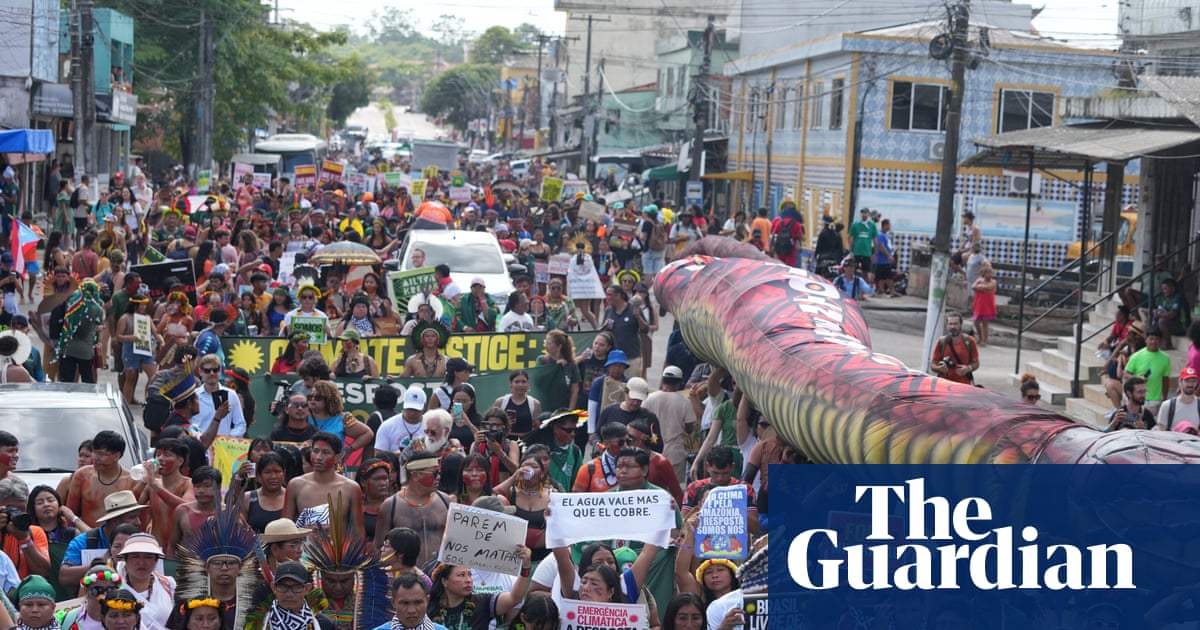
It was a tense moment. A group of about 50 people from the Munduruku, an Indigenous people in the Amazon basin, had blocked the entrance to the Cop30 venue in protest, causing long lines of delegates to snake down access roads, simmering in the morning heat. The Munduruku, unhappy about the ruination of their forest and rivers by industry and their lack of voice at Cop30, demanded to speak to Lula da Silva, Brazil's president.
Environment


fromNature
3 months agoWhat happened at COP30? 4 science take-homes from the climate summit
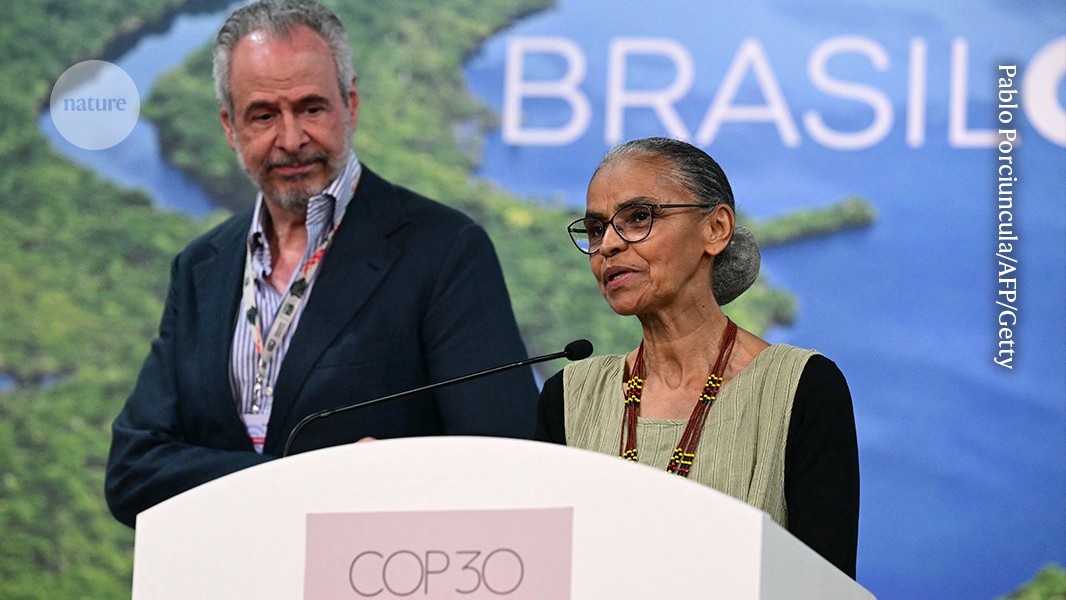
Ten years after the Paris agreement was adopted, world leaders left the United Nations COP30 climate summit in Belém, Brazil, with an outcome that kept the process alive but does little to stave off the perils of global warming. Many scientists walked away dismayed and disappointed. Despite years of commitments and research that have laid the groundwork for action, the climate summit of achieved "essentially nothing", says Johan Rockström, director of the Potsdam Institute for Climate Impact Research in Germany.
Environment










fromwww.theguardian.com
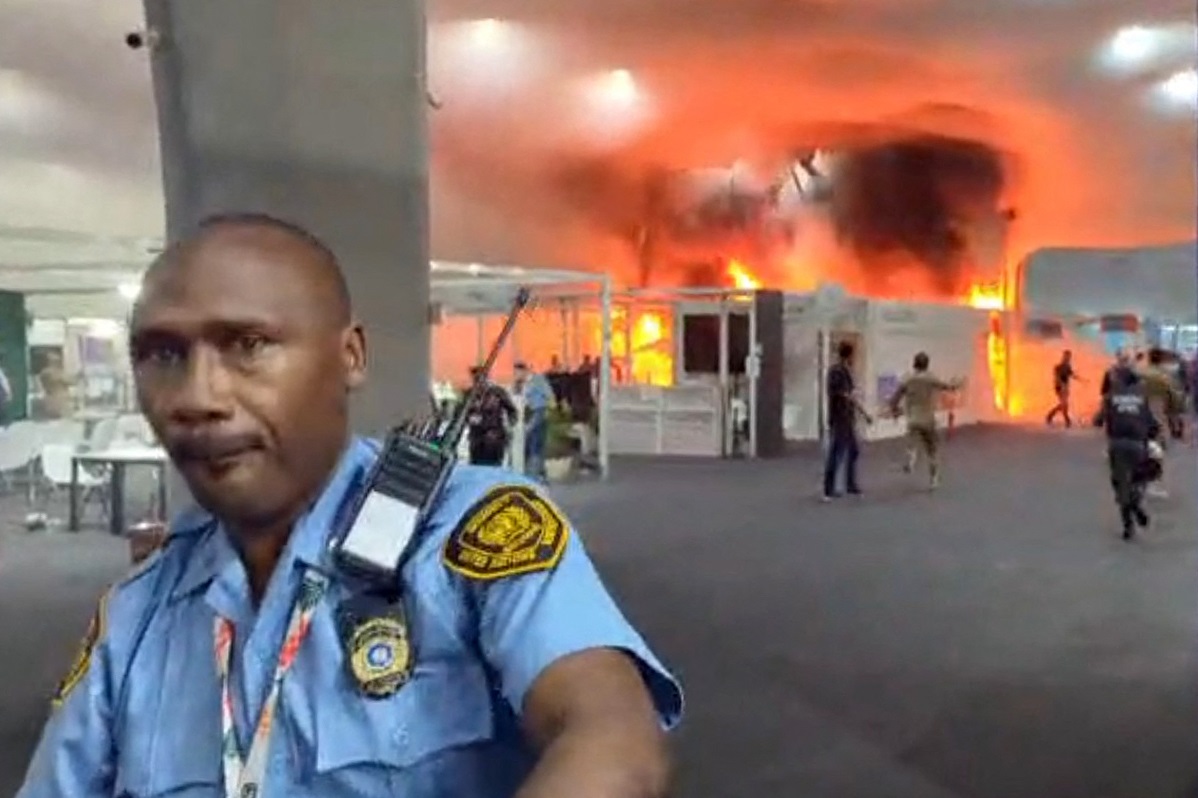
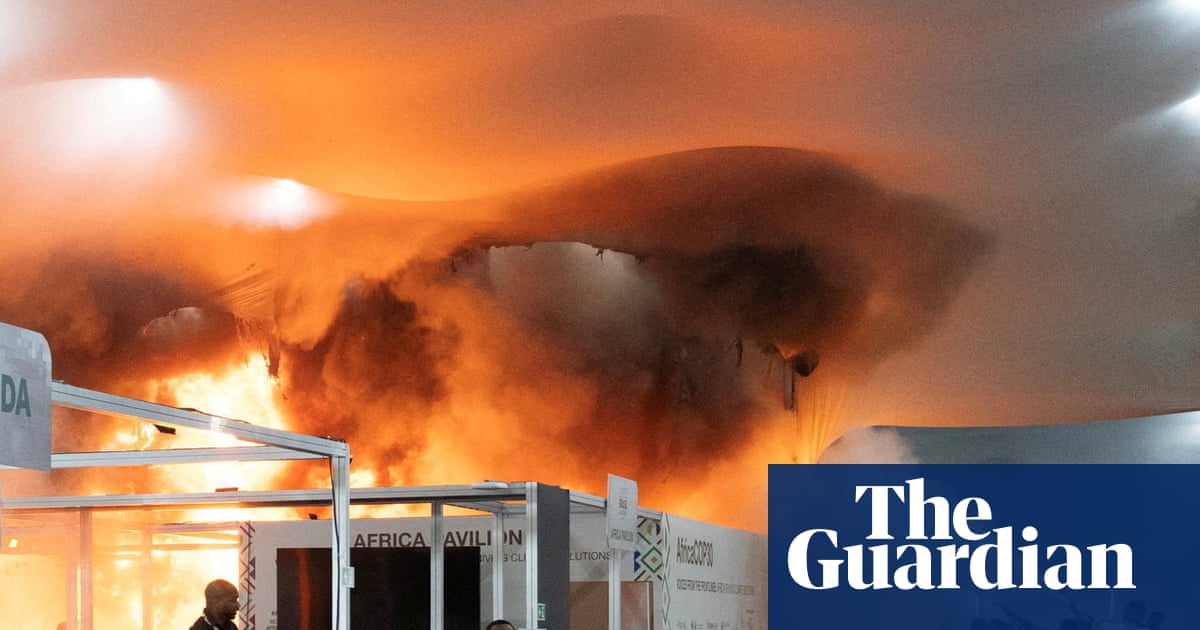
3 months agoWe delivered a clear message at Cop30: the delayers and defeatists are losing the climate fight | Ed Miliband
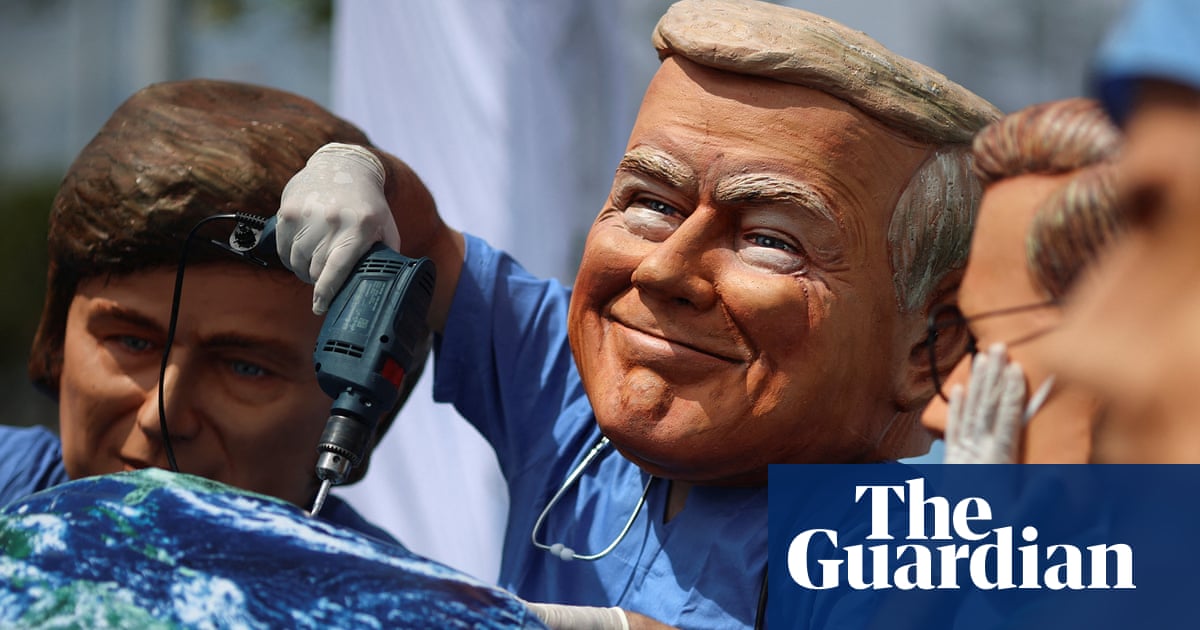
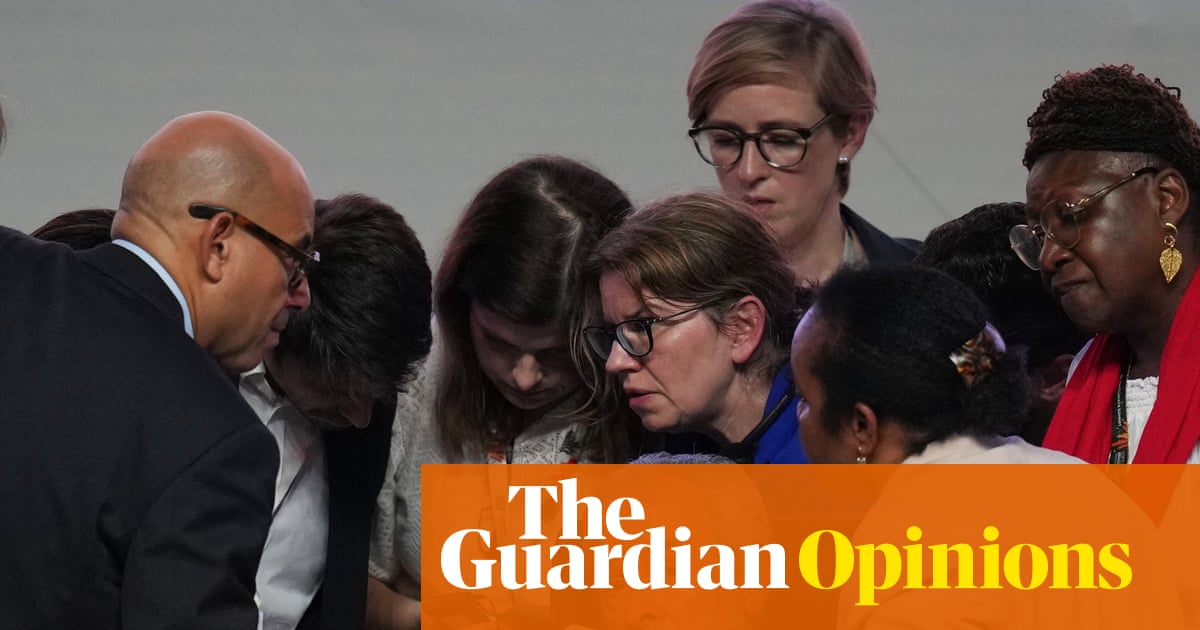
Sweaty, maddening, sleepless. That's what it was like to be part of Cop30 in Brazil. And yet more than 190 countries came together in the rainforest of the Amazon and reaffirmed their faith in multilateralism, the Paris agreement and the need to redouble our efforts to keep global warming to 1.5C. We went to Cop because working with other countries to tackle the climate crisis is the only way to protect our home and way of life.
Environment
World news
fromwww.theguardian.com
3 months agoUN warns world losing climate battle but fragile Cop30 deal keeps up the fight
Cop30 preserved international climate cooperation but failed to end the fossil fuel era or fully halt deforestation while affirming an irreversible shift toward low-emission resilience.
fromThe Mercury News
3 months agoLetters: The U.S. had nothing to gain by attending climate conference
I'm glad the U.S. didn't send a delegation to COP30, the two-week-long U.N. "Climate Change Conference" in Brazil this month. This costly annual event accomplishes next to nothing (other than CO2 emissions from all the private jets flying in). Press releases touted the "progress" China is making in reducing greenhouse gases, while complaining the U.S. isn't "doing enough." The truth, however, was hidden away in some committee reports discovered by the Economist magazine of London.
Environment


fromwww.aljazeera.com
3 months agoCOP30 cannot meet the 1.5C goal while military emissions stay uncounted
Militaries are major global polluters, yet they remain exempt from climate reporting, creating a blind spot that threatens the entire COP30 roadmap. As COP30 negotiations in Belem enter their final stretch, there is hope that countries might finally agree on a roadmap to phase out fossil fuels a breakthrough that is crucial if we are serious about keeping 1.5C alive. Yet even at this pivotal moment, one major highway is still missing from that roadmap that could undermine the progress made in Brazil: the carbon emissions of the military.
Environment
fromwww.aljazeera.com
3 months agoChina's EVs dominate the world why not in the US and Canada?
But it's hard to find those vehicles in North America. One month before he opened this year's United Nations climate summit, Brazilian President Luiz Inacio Lula da Silva helped open a new mega-factory at the site of a former Ford car manufacturing plant. The new plant, in Brazil's Camacari, Bahia, is one of many being built around the world by China's BYD, the world's largest manufacturer of electric cars.
Environment
fromwww.theguardian.com
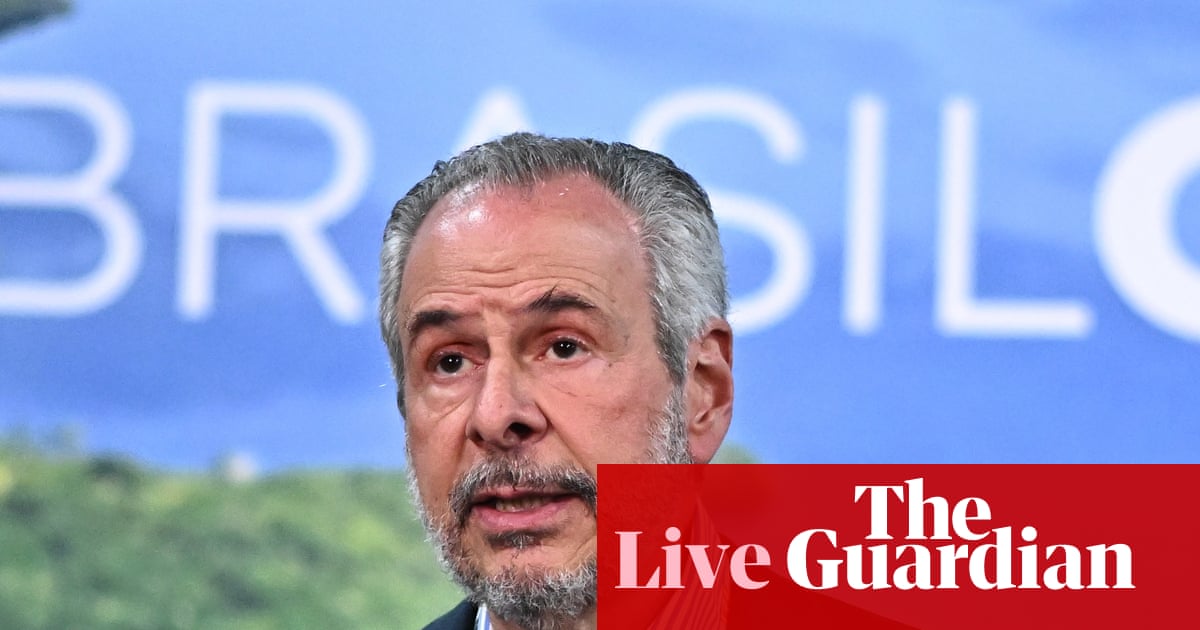
3 months agoDivide over fossil fuels phaseout can be bridged, Cop30 president says
Developing countries are looking at developed countries as countries that could be much more generous in supporting them to be more sustainable. They could offer more finance, and technology. This does not necessarily involve an increase in the headline amount of money to be provided directly from rich world coffers, set last year at $300bn (230bn) a year by 2035. It could also come from better use of existing finance, Correa do Lago added.
Environment
Environment
fromdesignboom | architecture & design magazine
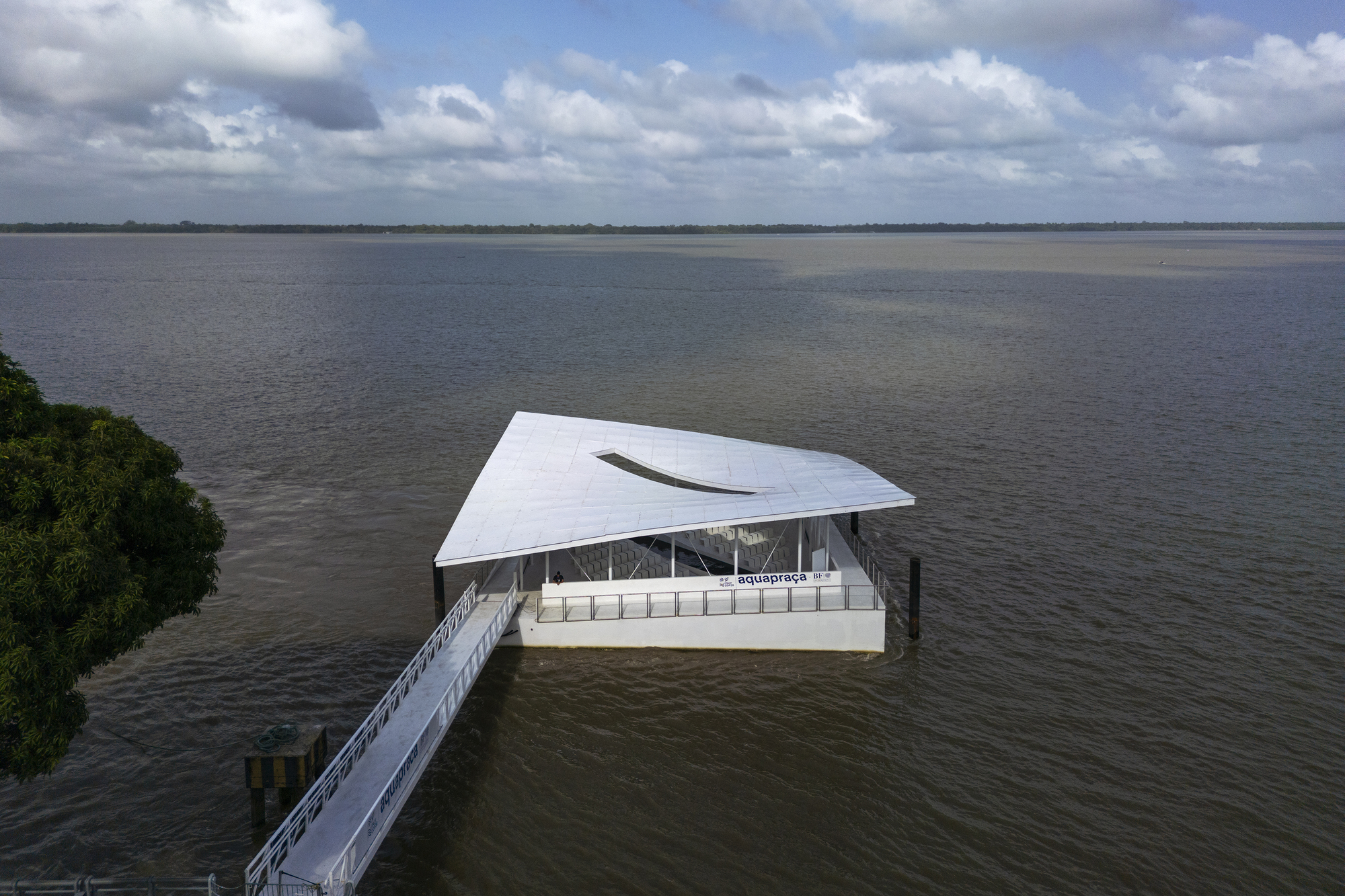
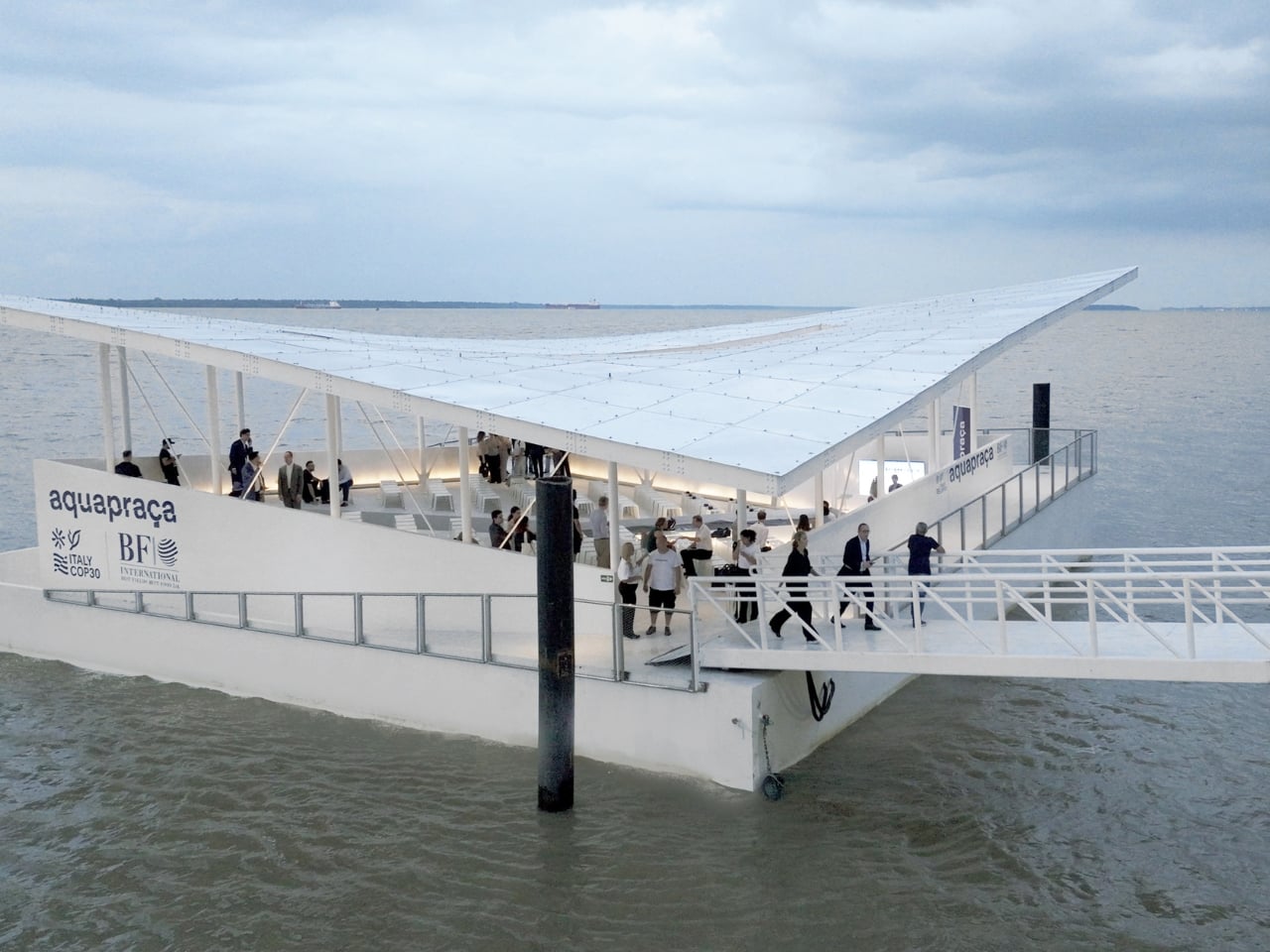
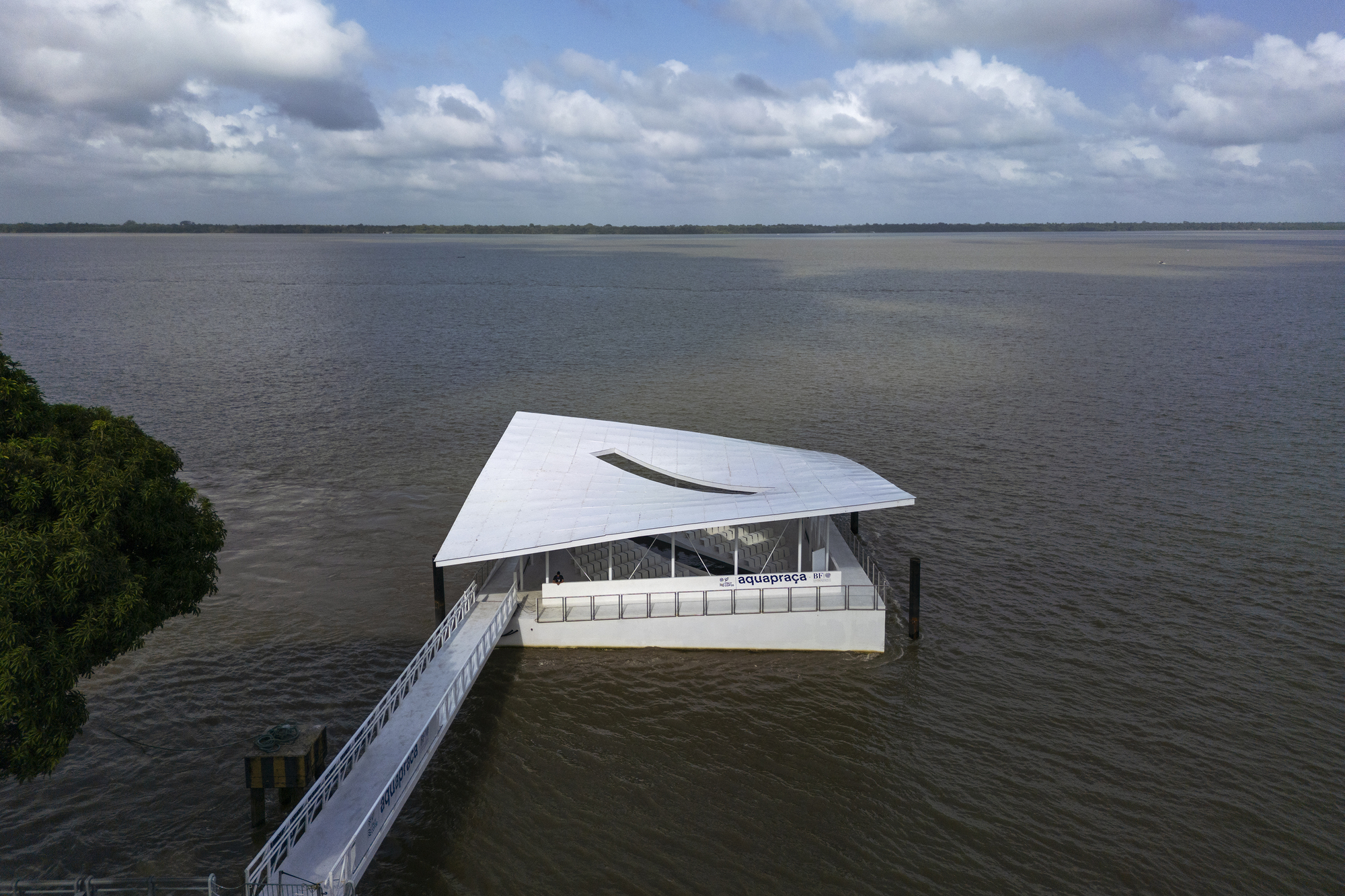
3 months agocarlo ratti and howeler + yoon's floating aquapraca drifts from venice to belem for COP30
AquaPraça is a 400-square-meter floating plaza anchored in Guajará Bay for COP30, meeting rising water and donated permanently to Pará for public use.



fromwww.dw.com
3 months agoFact check: Was rainforest cut down for a highway to COP30? DW 11/16/2025
This claim has already been circulating for eight months but is currently regaining momentum while the conference is on. Some social media posts with this claim are getting more than a million views. Among the most prominent figures sharing the claim is US President Donald Trump who wrote on his own social media platform, Truth Social: "They ripped the hell out of the Rainforest of Brazil to build a four lane highway for Environmentalists to travel. It's become a big scandal!"
Environment
fromwww.theguardian.com
3 months agoSouth Pacific nation of Tuvalu rebukes Trump's shameful disregard' at Cop30
We can't remain silent while our islands are sinking. We can't remain silent while our people are suffering, Talia said. Tuvalu is a nation of atolls and reef islands in the south Pacific and is considered acutely vulnerable to sea level rise and fiercer storms caused by the climate crisis. The US has withdrawn from the Paris climate agreement, and I think that's a shameful thing to do, he said.
Environment
fromwww.dw.com
3 months agoCOP30: Environmental activists stage mass protest in Belem DW 11/15/2025
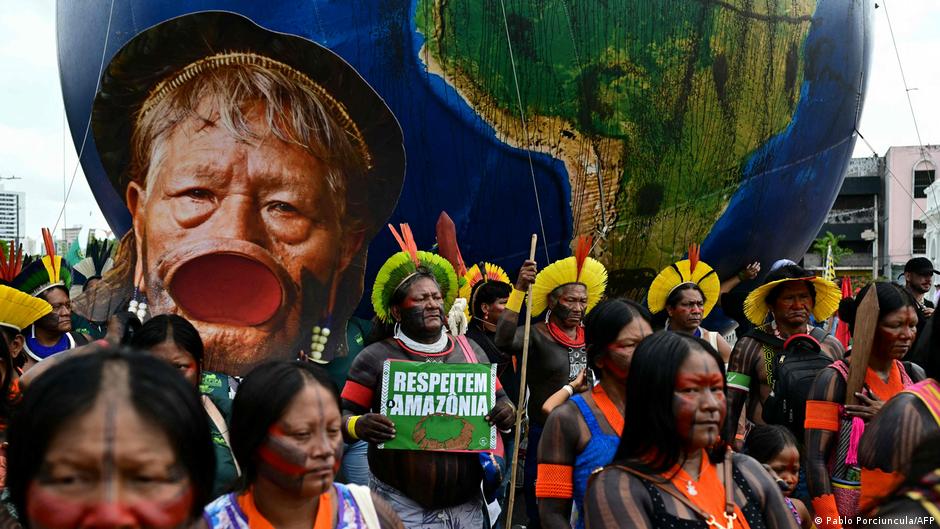
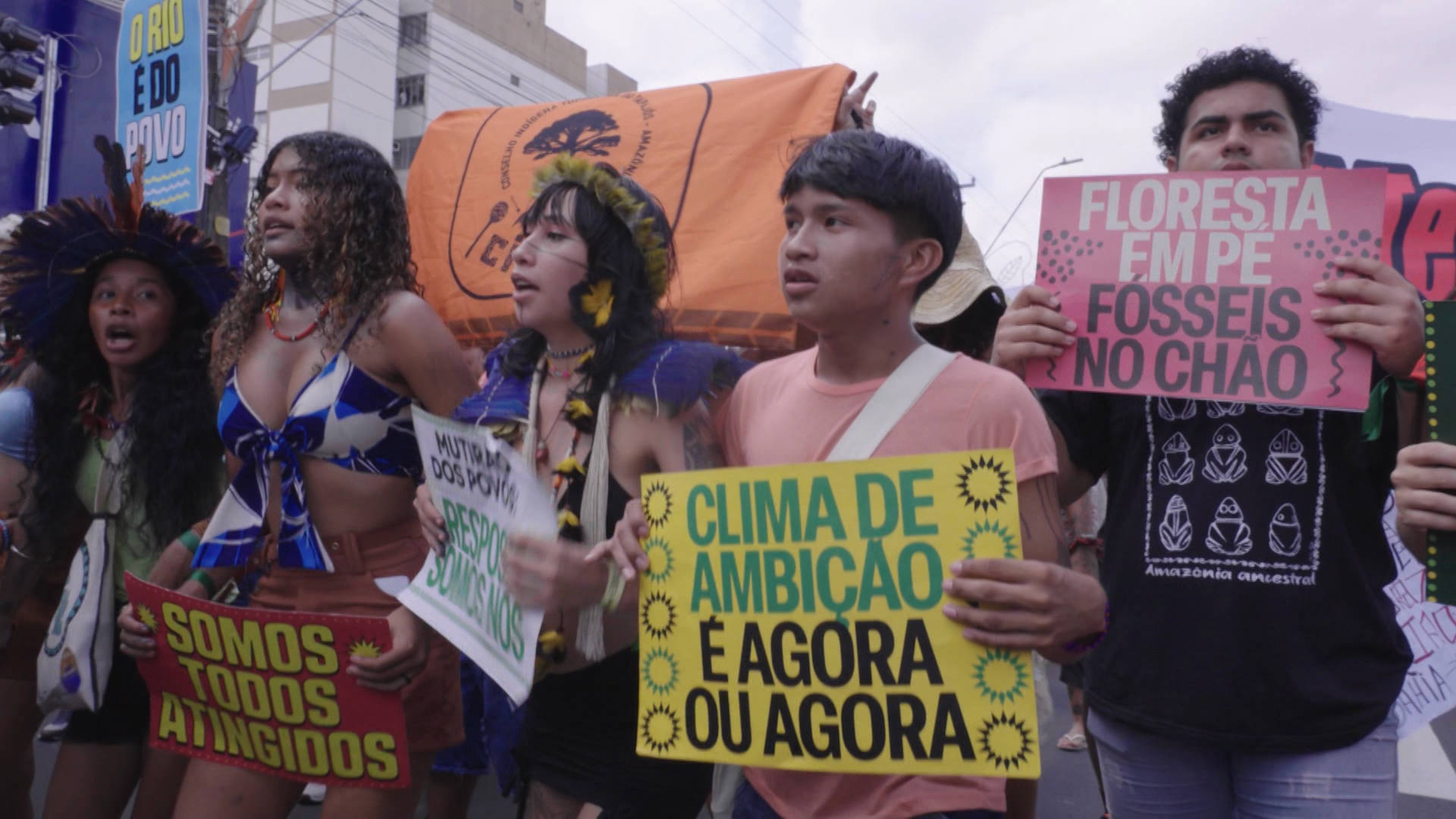
Thousands marched in the Brazilian city of Belem on Saturday, as the UN's COP30 climate conference marks its halfway point. Organizers dubbed the event the "Great People's March." The mass mobilization comes after two Indigenous-led protests that disrupted the climate conference earlier in the week. On Saturday, demonstrators marched 4.5 kilometers (2.8 miles) through the city. Environmental activists were joined by Indigenous people holding banners, flags, chanting slogans, and blasting music from speakers.
Environment
fromwww.theguardian.com
3 months agoOnce a global leader on climate action, the EU has given in to the right's green-bashing | Nathalie Tocci
In envisioning a green future, European politicians failed to account sufficiently for the social impact of the energy transition. The EU's efforts to engage with and compensate those who stood to lose fell short. Regions and workers reliant on carbon-intensive industries, disadvantaged social groups and poorer countries disproportionately affected by the climate crisis and regressive economic consequences of the transition were all hit. Criticism of these failings is valid, but the EU undeniably backed its commitments with action, putting its money where its mouth was.
Environment
fromwww.theguardian.com
3 months agoFossil fuel lobbyists outnumber all Cop30 delegations except Brazil, report says
More than 1,600 fossil fuel lobbyists have been granted access to the Cop30 climate negotiations in Belem, significantly outnumbering every single country's delegation apart from the host Brazil, new analysis has found. One in every 25 participants at this year's UN climate summit is a fossil fuel lobbyist, according to the analysis by the Kick Big Polluters Out (KBPO) coalition, raising serious questions about the corporate capture and credibility of the annual Cop negotiations.
Environment
[ Load more ]