#autonomous-software
#autonomous-software
[ follow ]
#autonomous-vehicles #tesla #waymo #elon-musk #ai #robotaxi #robotaxis #electric-vehicles #uber #remote-assistance

#autonomous-vehicles

Alternative transportation
fromStreetsblog New York City
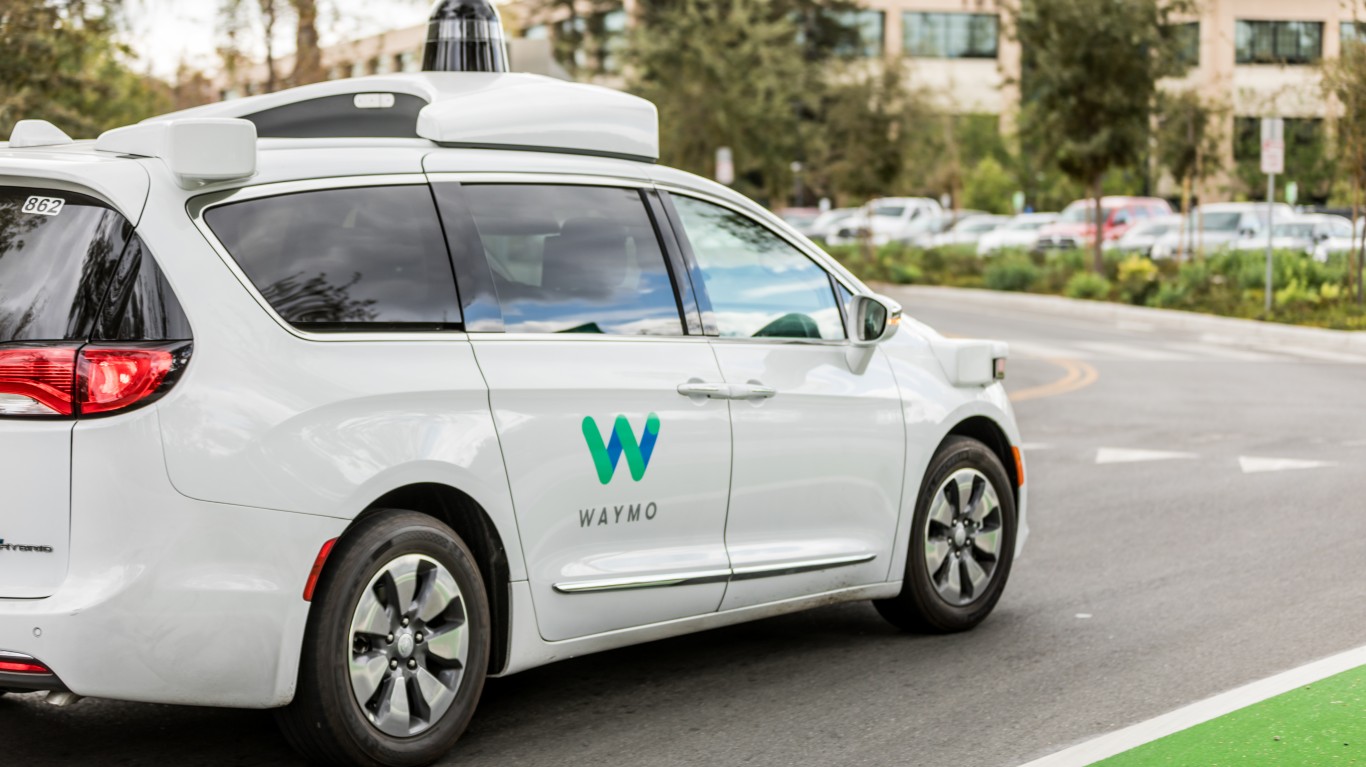
2 days agoWith Waymo Testing Halted, We Have A Rare Chance To Get Ahead of the 'Driverless Revolution' - Streetsblog New York City
Waymo's testing permit in New York City expired, raising questions about the future of autonomous vehicles in urban environments.
Alternative transportation
fromStreetsblog New York City
2 days agoWith Waymo Testing Halted, We Have A Rare Chance To Get Ahead of the 'Driverless Revolution' - Streetsblog New York City
Waymo's testing permit in New York City expired, raising questions about the future of autonomous vehicles in urban environments.
Tech industry
from24/7 Wall St.
19 hours agoWilliam O'Neil Reinstates Alphabet With a Buy: Is the Search Giant's Self-Driving Future Finally Getting Its Due?
Alphabet's long-term growth potential is supported by strong performance in AI, cloud services, and autonomous vehicles, leading to a Buy rating from William O'Neil.
fromSecurityWeek
19 hours agoApple Intelligence AI Guardrails Bypassed in New Attack
The first is Neural Execs, a known prompt injection attack that uses 'gibberish' inputs to trick the AI into executing arbitrary, attacker-defined tasks. These inputs act as universal triggers that do not need to be remade for different payloads.
Apple
fromwww.businessinsider.com
1 day agoGoogle DeepMind started moving faster by acting like a startup, Demis Hassabis says
"We've basically helped put together all the talent from around the company, sort of pushing in one direction. A lot of it was assembling together all the ingredients we already had and then kind of pushing with relentless sort of focus and pace."
Silicon Valley
fromwww.businessinsider.com
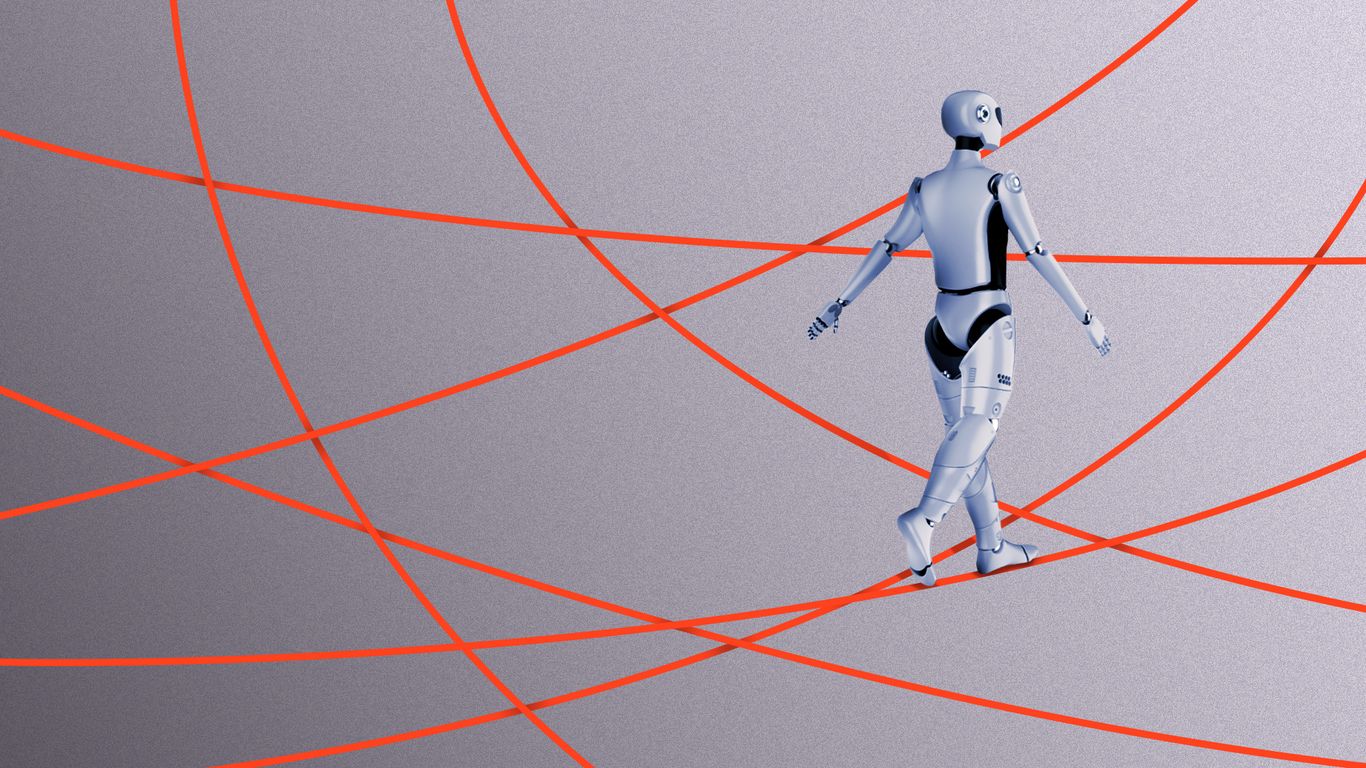
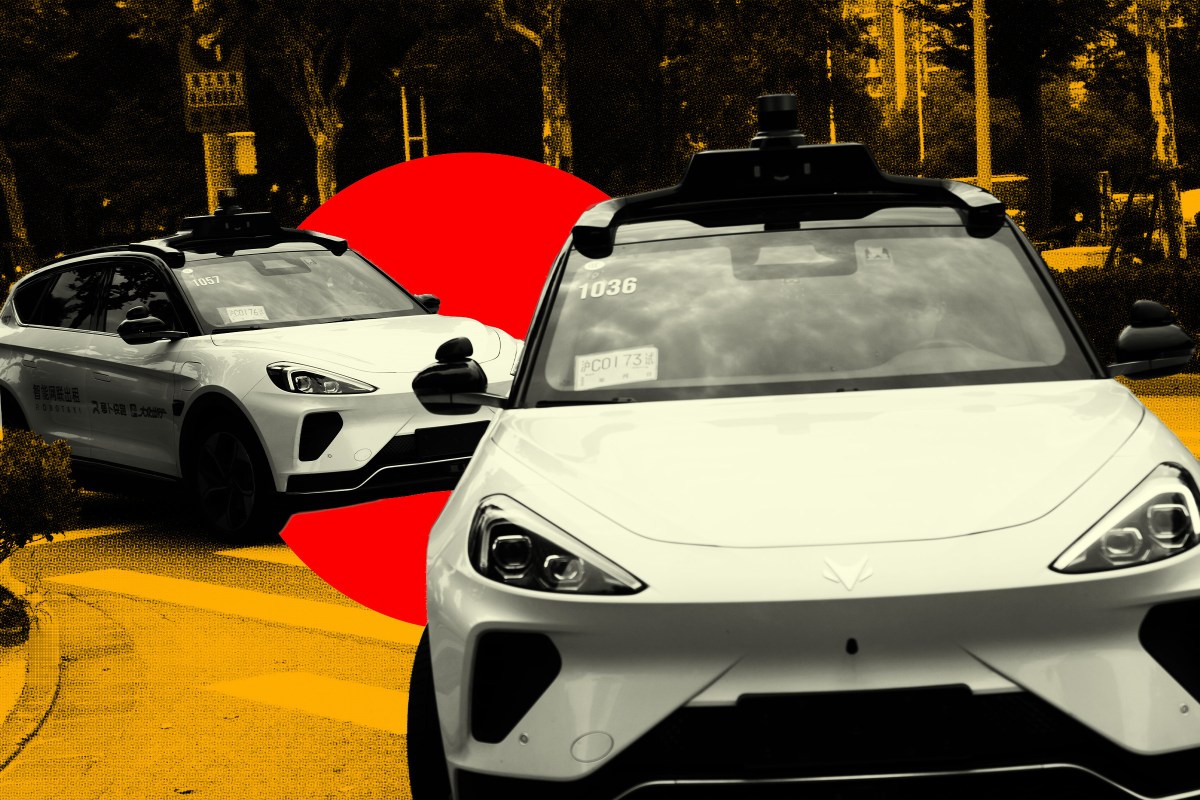
1 week agoDriverless cars, meet your eye doctor
Kinetic's CEO Nikhil Naikal states, 'We have eyes, and when we need to correct vision, we go to an optometrist... In the same way, this is a digital prescription to correct the errors of the car's understanding of the world around it.'
Cars
Toronto startup
fromBusiness Insider
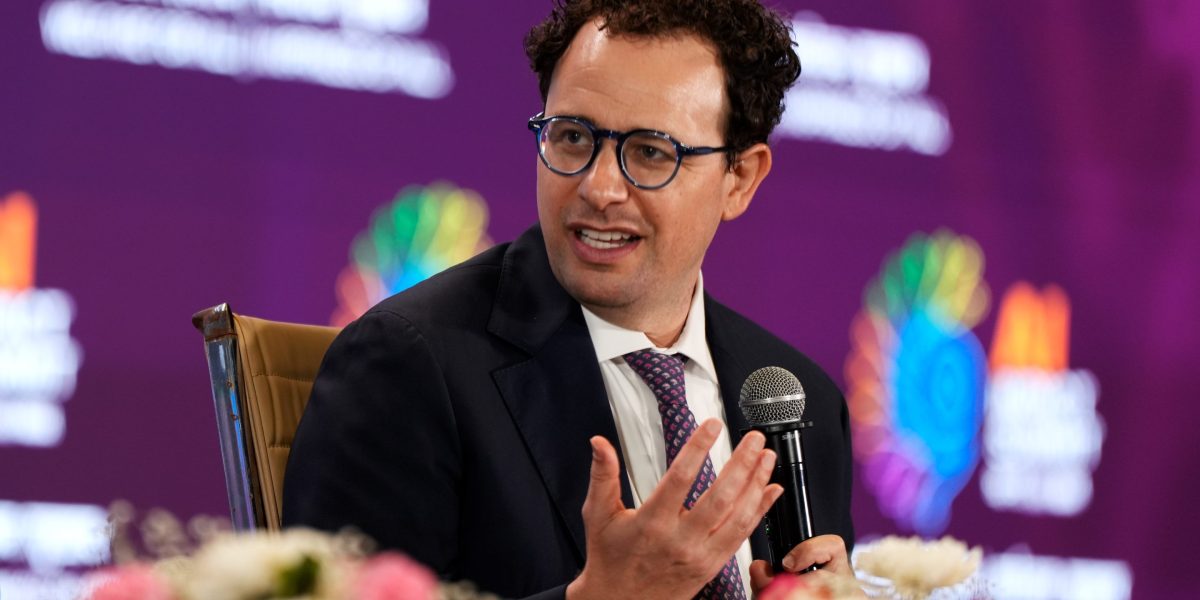
3 weeks agoFormer Uber CEO says Waymo is ahead in the robotaxi race - and Tesla is chasing a 'ChatGPT moment'
Waymo leads Tesla in the robotaxi race with proven autonomous vehicles, while Tesla pursues a riskier vision-only approach requiring a technological breakthrough to compete.
fromBusiness Insider
2 weeks agoWhy fully self-driving cars are almost impossible
Despite significant investments and technological advancements, the reality is that no vehicle currently operating on public roads can be classified as fully autonomous. The complexities of real-world driving conditions present insurmountable challenges.
Cars

fromFast Company
1 month agoElon Musk's 'self-driving' delusions get a reality check
Tesla's attorneys filed a complaint alleging the state "wrongfully and baselessly" labeled it a false advertiser, brazenly arguing that "it was impossible" to buy or use the "auto-pilot" software "without seeing clear and repeated statements that they do not make the vehicle autonomous." Yet, their fine-print defense clashes with Musk's failed promises and stunts, such as when he took his hands off the wheel on CBS's 60 Minutes in 2018 and proudly declared he was "not doing anything."
Cars
[ Load more ]