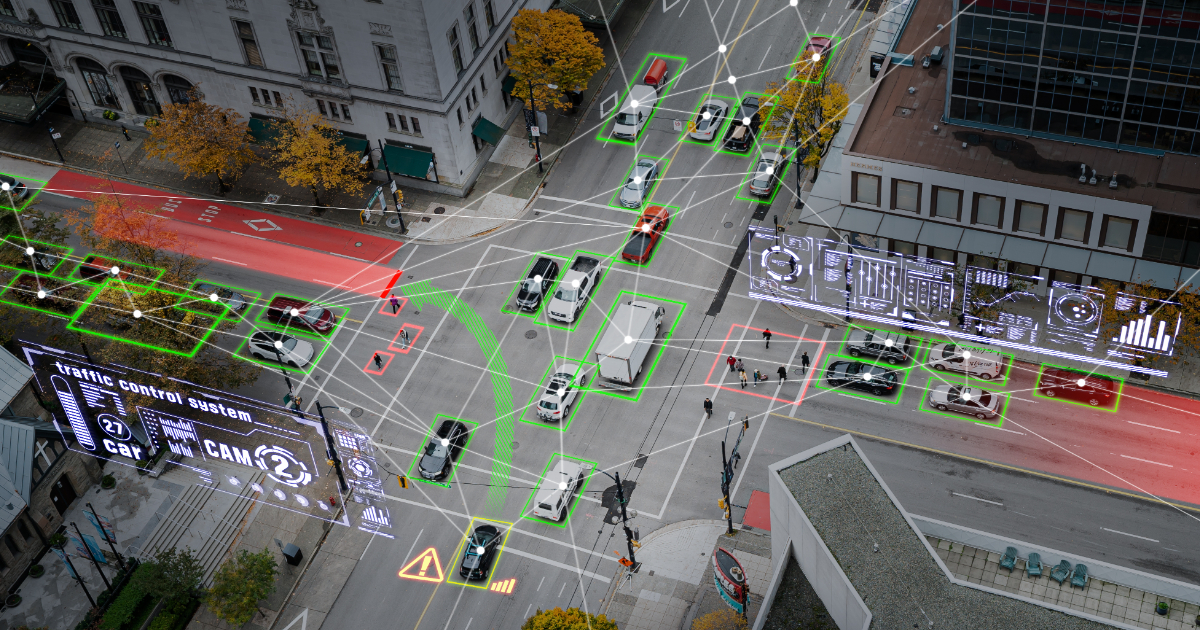
"Engineering an AV stack involves managing resources, time, and physics constraints simultaneously, rather than merely writing code that follows logic. This complexity requires a deep understanding of the system's architecture and the interactions between its components."
"Optimization in perception often means context-aware prioritization, where sensing, preprocessing, and inference efforts are adjusted to align with the current Operational Design Domain (ODD), ensuring that the system operates efficiently under varying conditions."
"Many teams treat the compute budget itself as an engineering optimization problem, measuring execution times, allocating cores, setting priorities, and tuning quality of service (QoS) to ensure that the right work is executed at the right time."
Autonomous driving systems face challenges related to latency, bandwidth, and computational constraints. The architecture of an AV stack is complex, involving recursive loops of perception, prediction, planning, and control. Optimization techniques are crucial, including context-aware sensor fusion and Model Predictive Control (MPC) solvers. Engineers prioritize resource management by defining Cost Functions and treating compute budgets as optimization problems. This approach ensures that the system can process vast amounts of sensor data and generate safe control commands within strict time limits.
Read at InfoQ
Unable to calculate read time
Collection
[
|
...
]