#zhang-yueran
#zhang-yueran
[ follow ]
#literature #contemporary-art #chinese-philosophy #aging #translated-fiction #cross-cultural-artistic-practice
fromBuzzFeed
1 week agoI Kept My Family's Secret For Over 60 Years. Now, I'm Finally Telling The Truth.
In 1959, the woman who brought me into this world bundled me in a basket and placed me in a Hong Kong stairwell near Sai Yeung Choi Street, a bustling region of the British colony. I was 4 days old. A passerby called the police, who transported me to St. Christopher's Home, the largest non-government-run orphanage on the island.
Chicago
#contemporary-art

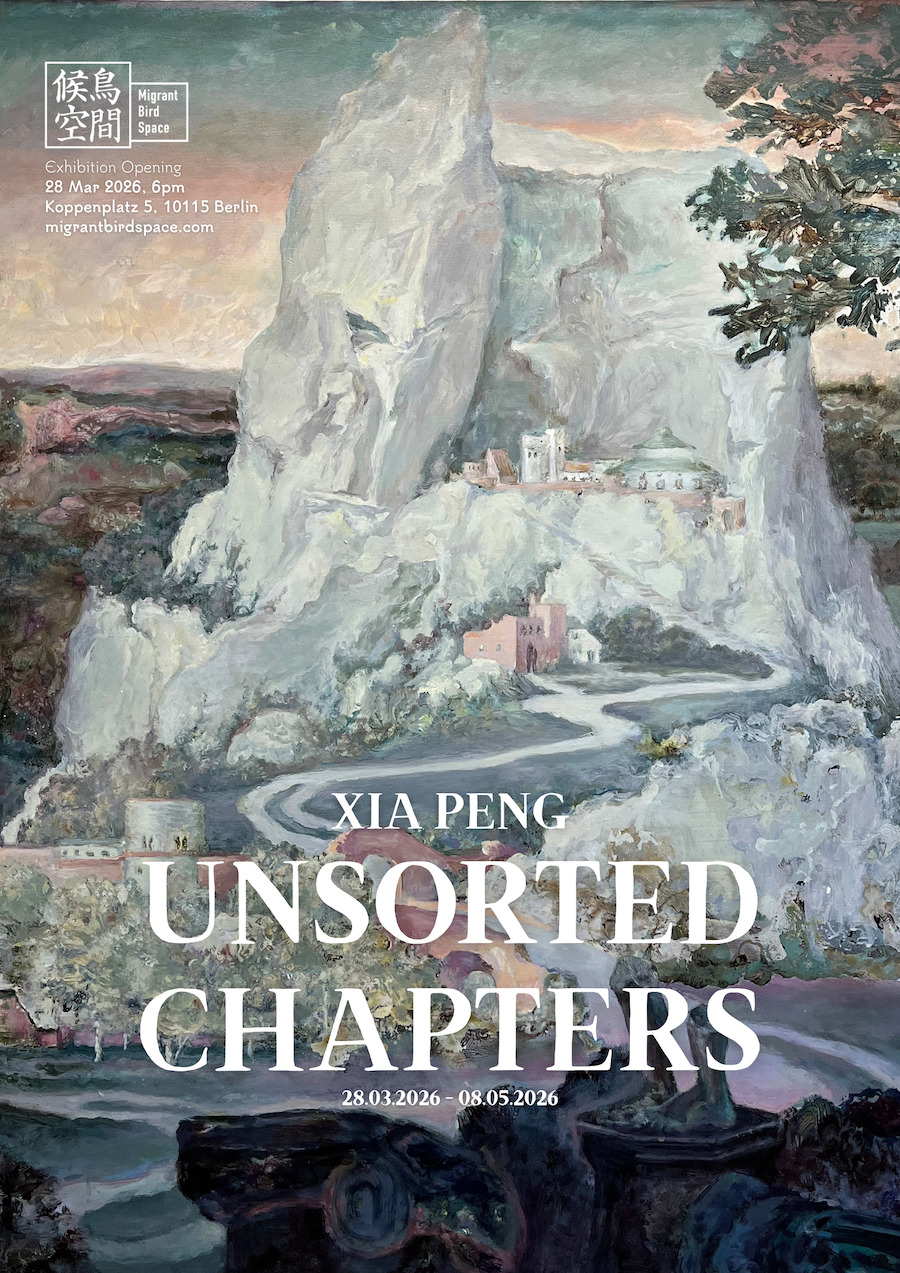
Berlin music
fromKALTBLUT Magazine
1 month agoUnsorted Chapters by Xia Peng! A Must-See Artistic Journey at Migrant Bird Space - KALTBLUT Magazine
Xia Peng's exhibition 'Unsorted Chapters' explores attachment and artistic expression through paintings on unconventional surfaces, blending Chinese ink and Western painting traditions.
Graphic design
fromItsnicethat
1 month agoThese emotionally charged illustrations are here to make your imagination wander
Xiao Hua Yang creates illustrations that blend digital and analogue techniques to suggest emotions through subtle imagery rather than explicit statements, prioritizing implication over explanation.
Writing
fromwww.theguardian.com
1 month agoLight and Thread by Han Kang review a tantalising book of reflections
Han Kang's Nobel Prize-winning work explores historical trauma and human fragility through poetic prose that balances outward examination of events like the Gwangju massacre with inward psychological portrayal, leaving interpretive gaps for readers.
fromThe New Yorker
1 month agoHow China Learned to Love the Classics
It wasn't until Whitmarsh had been herded into the main hall that he grasped what he'd signed up for: 'a geopolitical event, not an intellectual one,' as he put it, with hosts including Greece and China's ministries of culture.
World politics
Books
fromwww.7x7.com
1 month agoLocals We Love: Author Kristina Voegele's 'Annie in Retrospect' is a Love Letter to Our City and Ourselves.
A novel follows a woman who slips into her 25-year-old body with midlife knowledge, exploring identity loss, memory, and San Francisco's transformation through disorientation, grief, and acceptance.
Writing
fromItsnicethat
1 month agoSubmerge yourself in the hazy vignettes of Xueting Yang's comic collection, Teeth
An illustrator creates emotionally layered visual narratives by capturing hidden psychological depths through minimalist aesthetics inspired by Japanese and Chinese cultural traditions, using softened imagery to evoke memory and partial clarity.
fromDefector
1 month agoYoko Tawada Is A Genius In Any Language | Defector
The best argument I can make for why I like reading fiction in translation is because it facilitates the psychedelic experience of encountering someone else's subjectivity twice over. The translator must act as a prismatic filter, faithfully attempting the impossible task of replicating someone else's experiences and ideas. To read in translation is to read two stories in harmony with each other: The one the author wants to tell and the one the translator has brought into your linguistic world.
Writing
fromThe New Yorker
1 month agoYiyun Li Reads "Calm Sea and Hard Faring"
Yiyun Li reads her story 'Calm Sea and Hard Faring,' from the March 9, 2026, issue of the magazine. Li is the author of eight books of fiction, including the novels 'Must I Go' and 'The Book of Goose,' and the story collection 'Wednesday's Child,' which was a finalist for the Pulitzer Prize in 2024.
Books
Writing
fromDefector
1 month agoWhat I Learned From My Annoyingly Long Correspondence With "Elena Ferrante" | Defector
An AI-generated scam email impersonating Elena Ferrante used phrases from published book descriptions to deceive an author, revealing how AI can convincingly mimic famous writers while containing telltale signs of fabrication upon scrutiny.
Books
fromwww.theguardian.com
1 month agoAsako Yuzuki: I'm very far from the ideal Japanese woman'
Japanese novelist Asako Yuzuki's international bestseller Butter, based on a real serial killer case, combines social satire and feminist thriller with detailed food descriptions, capitalizing on growing Western appetite for translated fiction by female Japanese writers.
Books
fromThe Atlantic
1 month agoWhen Did Literature Get Less Dirty?
Philip Roth's Zuckerman Unbound functioned as a response to the controversial reception of Portnoy's Complaint, with Roth's protagonist expressing regret over writing sexually explicit material that drew accusations of anti-Semitism and misogyny.
[ Load more ]