In April, Mexican President Claudia Sheinbaum announced the country's aerospace industry could see sustained annual growth of as much as 15 percent over the next four years, and attributed the sector's expansion to a robust local manufacturing workforce, increasing exports, and a strong presence of foreign companies. Mexico is striving to become one of the top 10 countries in aerospace production value, a goal outlined in Plan Mexico, the country's strategic initiative to enhance global competitiveness in key sectors.
In the year since Donald Trump returned to office, there hasn't been a single face-to-face meeting between the U.S. president and the Mexican president, Claudia Sheinbaum. Neither the trade war, nor immigration policy, nor even the specter of the fentanyl crisis or the security agenda have led to a meeting between the two leaders. In the end, it is soccer the draw for next year's World Cup that will bring the neighboring leaders together for their first face-to-face meeting.
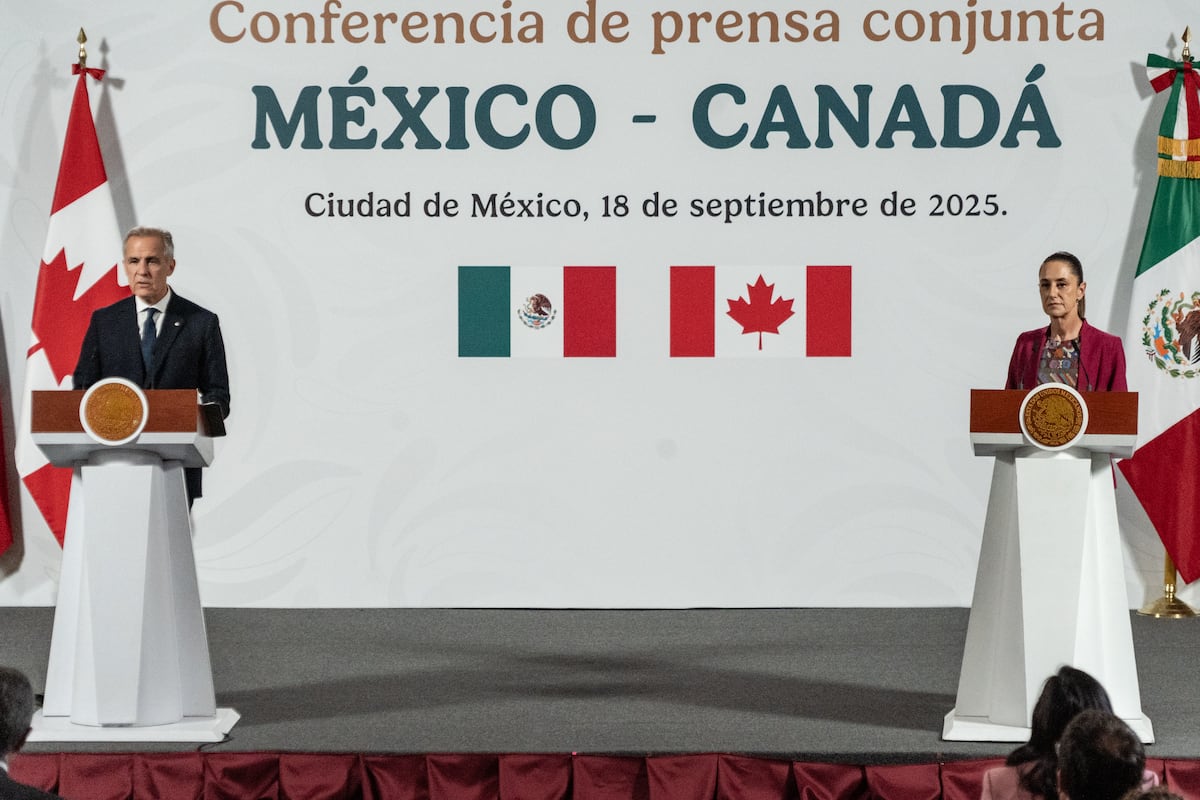
Sheinbaum is making her first trip to the US as president at a time when her government is still negotiating with Trump over tariffs he imposed on Mexican goods. Sheinbaum has won delays to some levies in past negotiations with Trump. The trio of nations are also set to review the US-Mexico-Canada free trade agreement next year. Sheinbaum said Mexico maintained one of the best commercial positions globally amid Trump's tariff push.
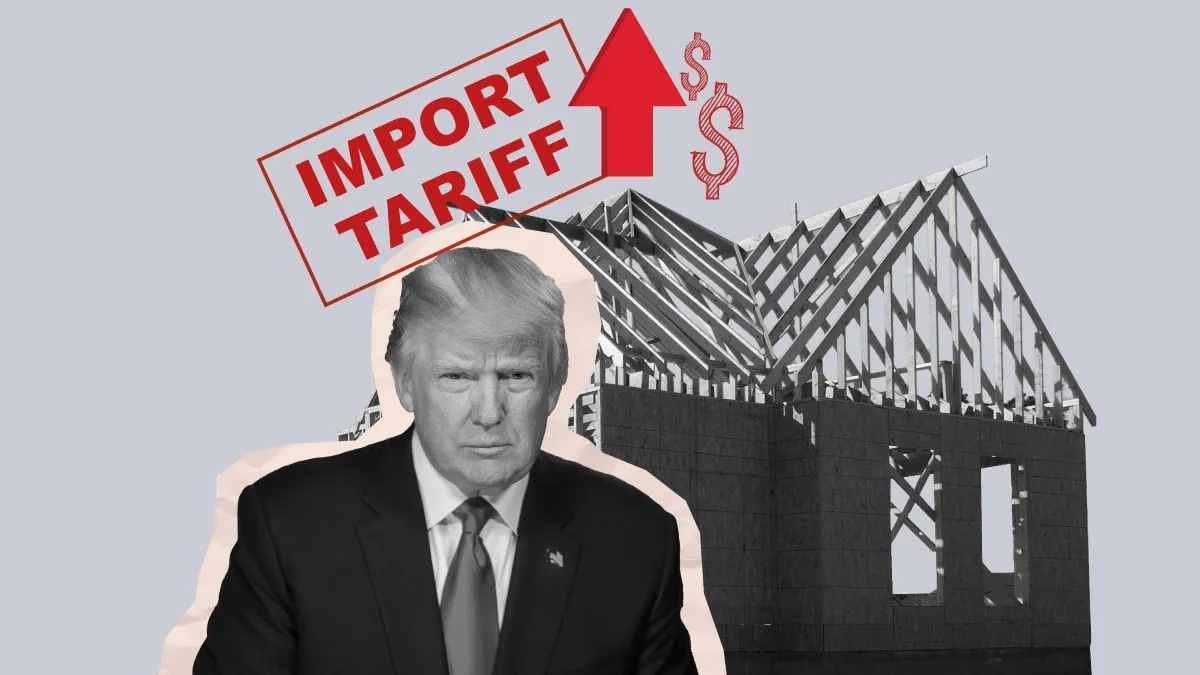
Mexico is facing a crucial week for its economy. Thursday marks the end of the 90-day deadline that U.S. President Donald Trump gave the Mexican government to evaluate their trade relationship and define the tariffs that will remain in place between them. The Latin American country is the United States' main trading partner; however, it has failed to contain the protectionist onslaught that Trump has launched globally.
Mexican President Claudia Sheinbaum's six-year roadmap, Plan Mexico, aims to attract $277 billion in investment and create over 1.5 million jobs annually amid economic challenges.