The event features approximately 40 vehicles alongside a conference program addressing topics such as autonomous driving, on-demand transport and operational concepts, including a Sustainable Bus session on intercity bus electrification.
Aurora Utilities has announced the energisation of a further set of Stagecoach bus depots as part of the operator's ongoing fleet electrification programme, extending the partnership across multiple regions and adding new capacity for zero-emission operations.
The Volvo FH Aero Electric with Extended Range is powered by a newly designed electric rear axle that integrates two electric motors, all the necessary power electronics, a six-speed transmission, and a 13-tonne traditional axle.
Senate Bill 1167 has received the most favorable press, based on the understanding that the e-bike problem is actually an e-moto problem. The ruckus and ER visits are not caused by pedal-assist class 1 and 3 e-bikes, but by throttle devices that often fail to cut off at 20 mph, leading to safety concerns.
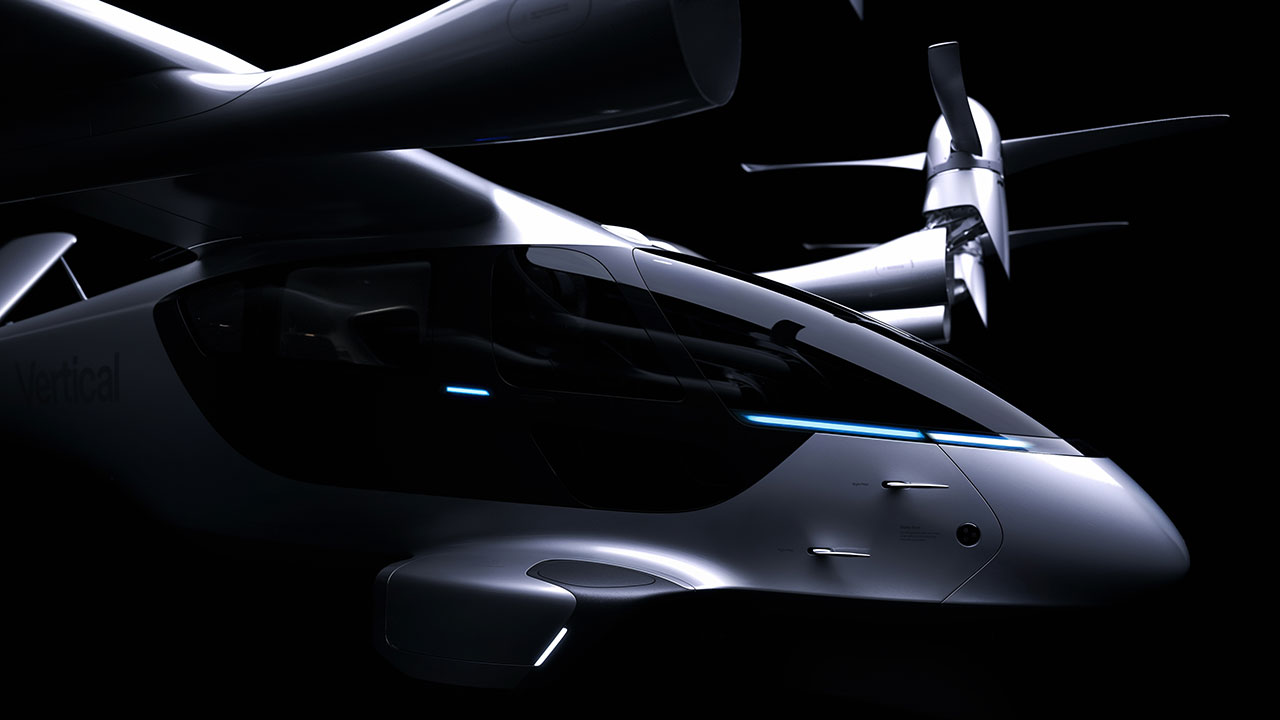
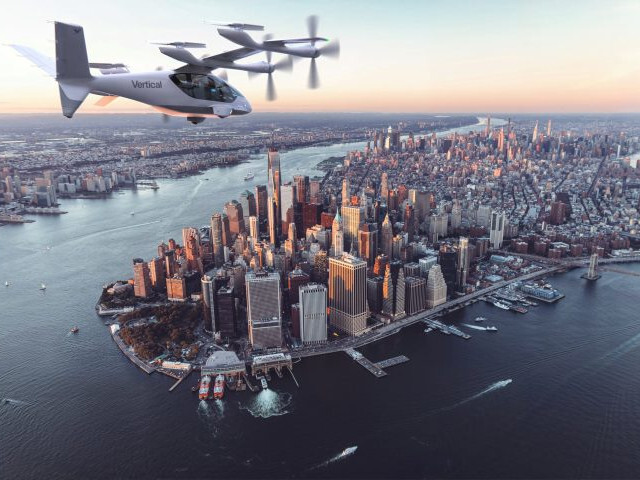
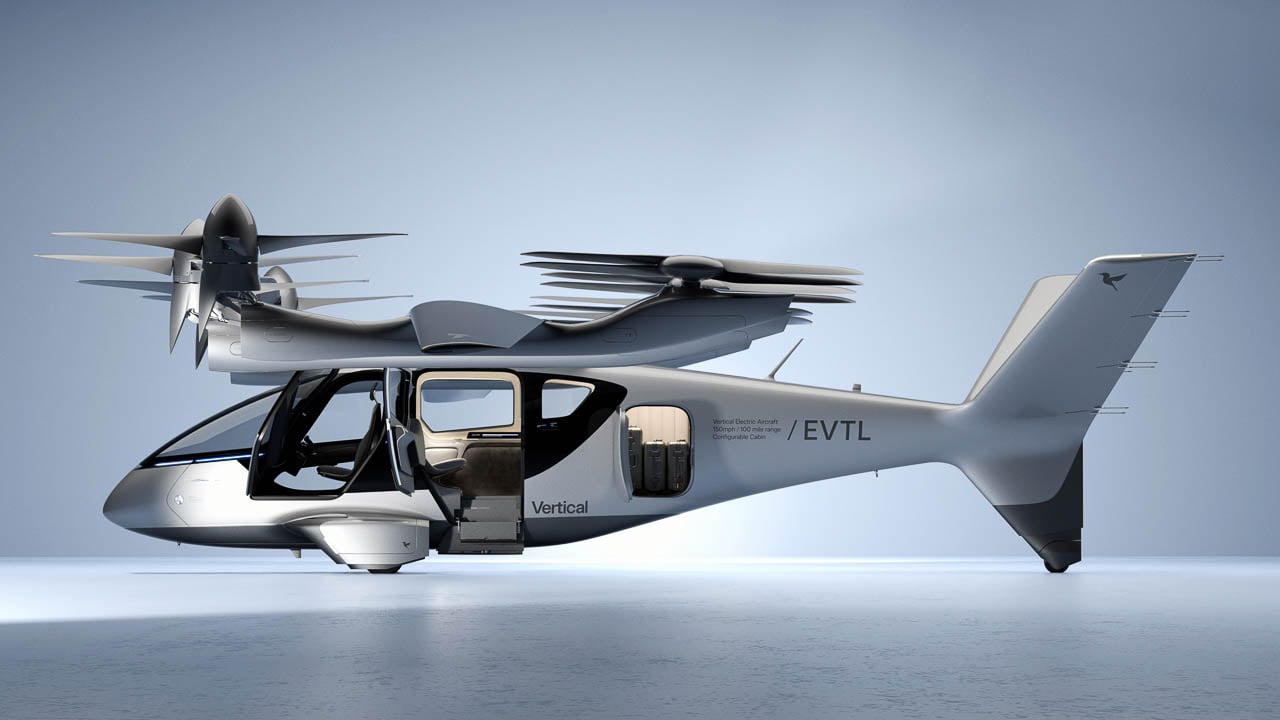
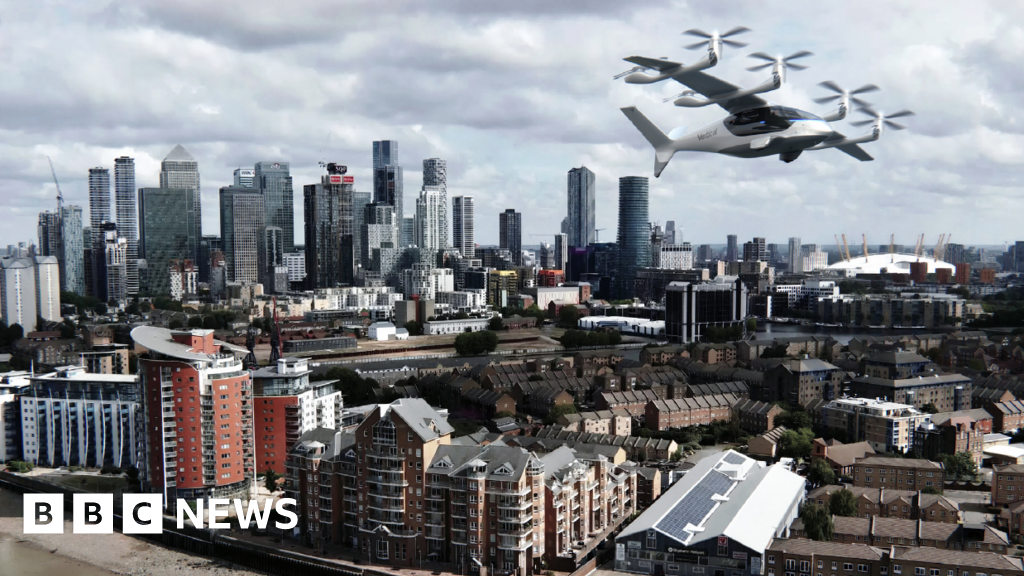
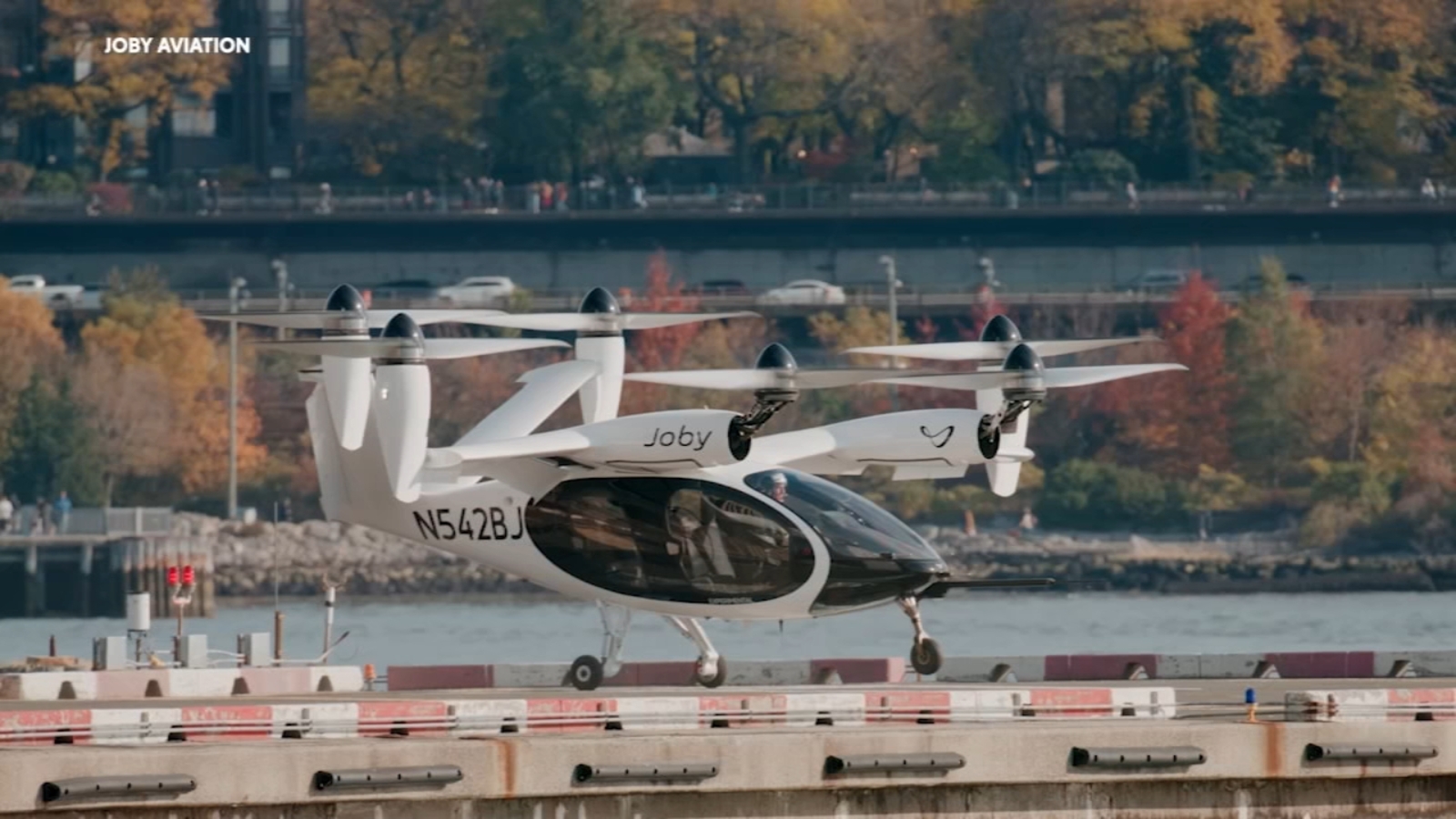
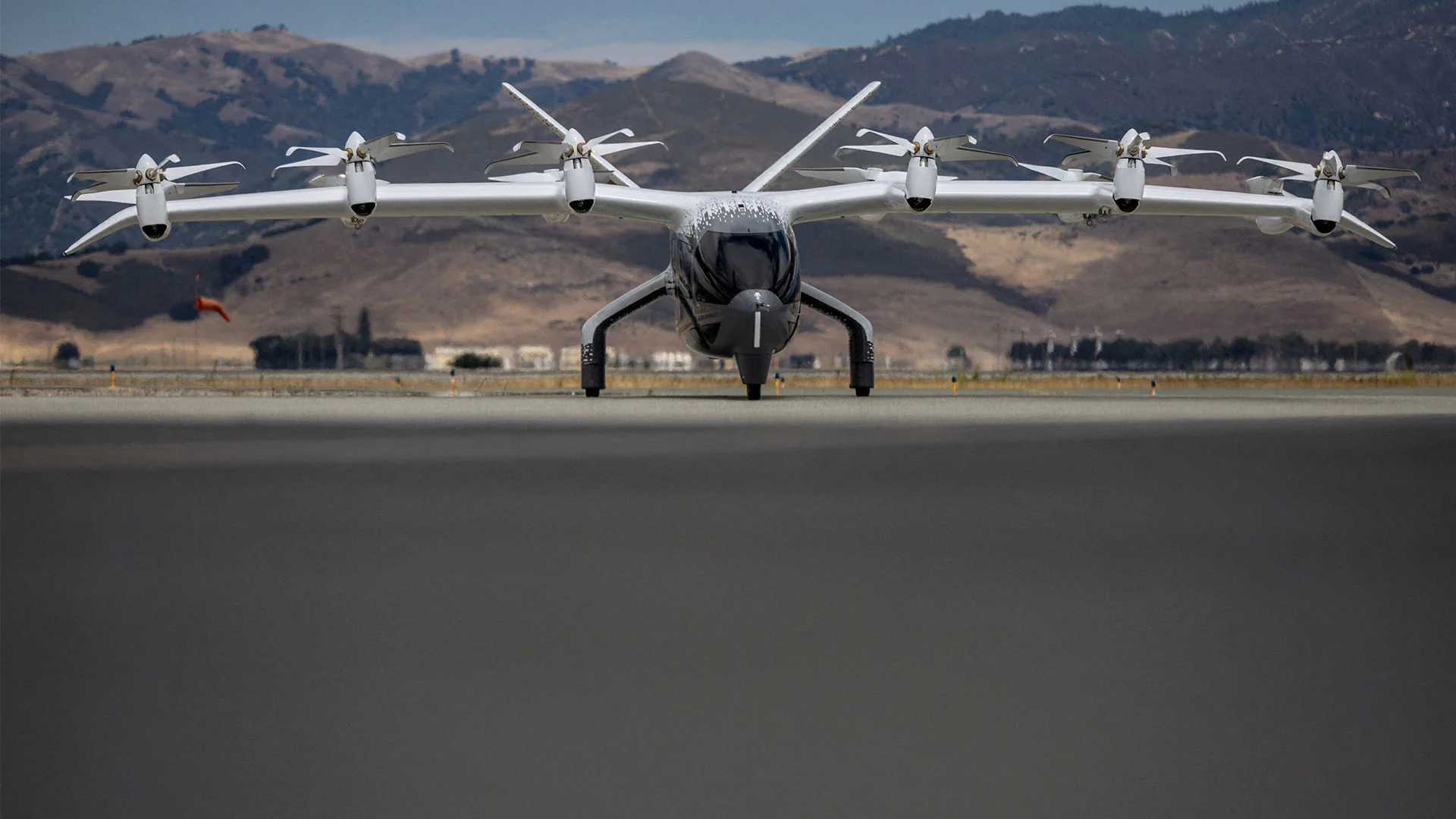
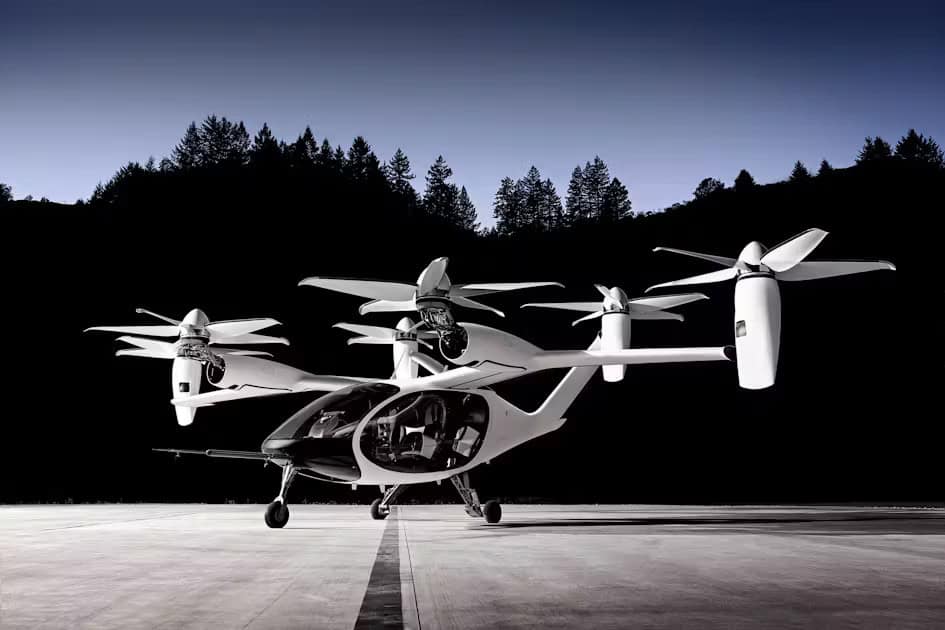
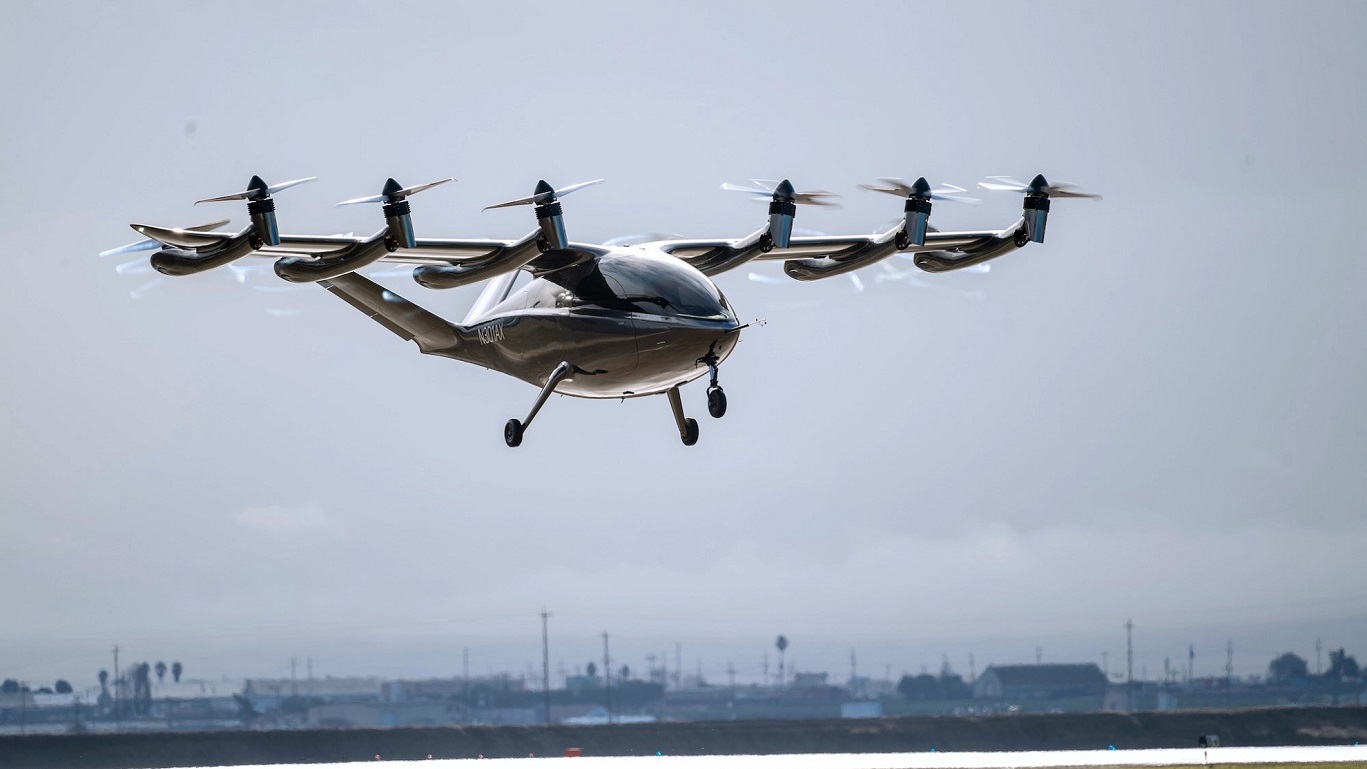
Archer brings this suit to protect the novel and award-winning design of its Midnight eVTOL, which was developed by Archer inventors through careful, brilliant design work, and to stop Vertical infringing its patented designs.
The robotaxi takeover - assuming they take over - will also be a real estate story. As Waymo, Uber, Tesla, and other competitors race to flood the streets with fully autonomous cars, robotaxi operators will need to find places to park, charge, and maintain their vehicles. Voltera, a charging infrastructure company based in Palo Alto that has partnered with Alphabet-backed Waymo, is buying up real estate now to prep for the AV boom.
"We're essentially nine months away from testing an electric cargo plane, and then from there, we're hopefully a year and a half away from flying passengers on the plane," Louis Saint-Cyr, the president of Surf Air Mobility, stated.
It's tempting to frame autonomous driving as a single leap. In public transport, adoption tends to be incremental - because the system is built for reliability, and new capabilities have to fit into daily operations without disrupting service. That is why a practical strategy is evolution, not revolution: introduce autonomy in a defined domain, learn safely in real operations, and expand capability step-by-step.
Uber will invest $100 million to build out public fast-charging stations across the U.S. and Europe, the company said Wednesday. The move aims to provide a backbone for its rapidly expanding autonomous vehicle (AV) ambitions, which now span the globe and include more than 20 partnerships. Now the company is turning to an absolutely essential piece of the puzzle: charging. Uber is partnering with private charging networks to build the stations, offering them minimum utilization guarantees.