#traffic congestion
#traffic congestion
[ follow ]
#traffic-congestion #urban-mobility #road-safety #public-transit #urban-planning #hov-lanes #highway-101
fromABC7 San Francisco
4 days agoYosemite's reservation system ends, leading to 'chaos' in park over holiday weekend
So far this year, Yosemite has recorded nearly 100,000 more visitors than at the same point last year, contributing to what many describe as chaotic conditions. The biggest issue was long wait times to get inside the park. "People were waiting for at least hour and a half," said visitor Andranik Arakelyan. The waiting didn't stop there, with visitors describing additional delays and crowding throughout the park.
NYC parents

fromBoston.com
2 weeks agoOfficials: Newly opened Mass Pike ramp will decrease traffic congestion
A newly constructed ramp connecting the Mass Pike to I-495 in central Massachusetts opened overnight Monday, ahead of the Tuesday morning commute. Previously, motorists accessed all I-495 exits from a single point. Under the new system, those traveling I-90 westbound and heading for I-495 southbound will encounter the first exit, with a second exit following for those merging onto I-495 northbound, according to an advisory from the Massachusetts Department of Transportation.
Boston
fromBoston.com
2 months agoThis Massachusetts commute ranks as the most stressful, poll finds
A new poll from personal injury law firm Munley Law, polled more than 3,000 workers across the U.S who drive to work. They were asked to identify the roads in their state that "consistently raise their blood pressure" and leave them "angriest behind the wheel due to congestion, bottlenecks, aggressive driving, or unpredictable delays."
Boston food
fromwww.cbc.ca
2 months agoNot carpooling? You may soon be able to use HOV lanes anyway in off-peak hours | CBC News
Gridlock is costing our economy billions of dollars every year and robbing Ontario drivers of valuable time and quality of life. He added the changes would help keep drivers moving across the province.
Canada news
Roam Research
fromFast Company
2 months agoGoogle Maps and Apple Maps are making parking harder than it has to be
Navigation apps lack parking guidance, causing drivers to waste time searching for spots and increasing traffic pollution; MIT research demonstrates that providing probability-based parking recommendations could improve travel decisions and reduce congestion.
Alternative transportation
fromFast Company
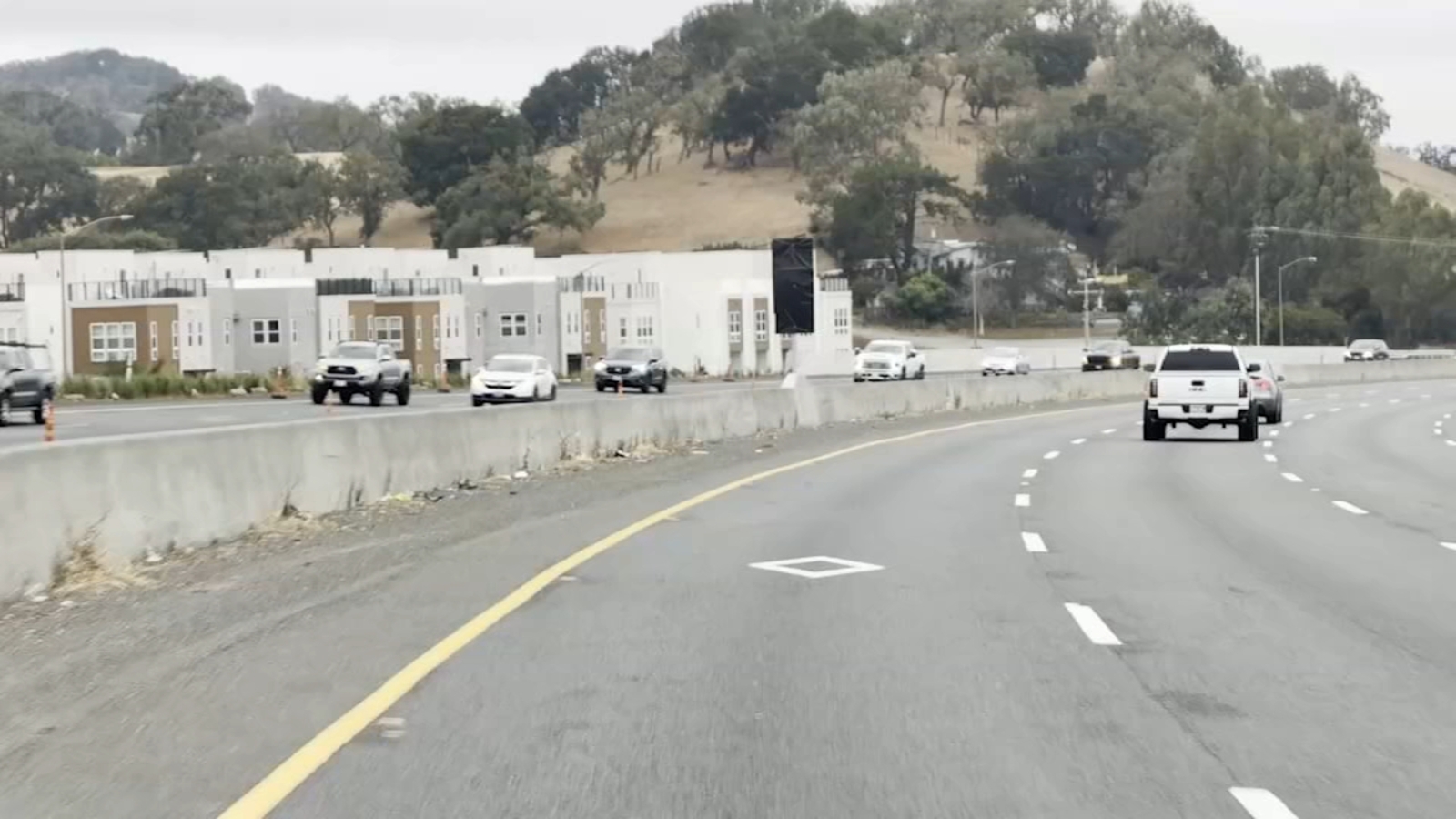
2 months agoThe 'time is money' mantra is a terrible starting point for planning and designing infrastructure
Using productivity and time-as-money frameworks to justify transportation planning decisions is economically flawed and oversimplifies the complex nature of traffic congestion and urban mobility.

fromStreetsblog
4 months agoThe Talk of D.C.: Rumors Flying that Trump Admin Wants to Undo Bike Lanes in Capital - Streetsblog USA
According to documents obtained by Streetsblog and interviews with several government employees, the Federal Highway Administration has been analyzing congestion patterns along several critical Washington D.C. corridors outfitted with bike lanes, with an eye towards an unspecified "reallocation" of lane space - which sources say likely means giving it back to drivers. (The FHWA acknowledged an inquiry from Streetsblog but did not provide a comment for this story.)
Washington DC
fromBoston.com
4 months agoWhat do you think of the Kraft Group's deal to build a New England Revolution soccer stadium?
According to the Dec. 31 announcement, Boston will receive nearly $48 million over 15 years, Jon Chesto of The Boston Globe first reported. The funds will go toward improving infrastructure around the Charlestown neighborhood, which is expected to bear the brunt of the traffic and crowds coming to the stadium. In addition, Boston will earn $1 per soccer ticket sold and 1.5% of concert ticket sales, for an estimated $2 million a year in ticket fees.
Soccer (FIFA)


Social justice
fromStreetsblog
5 months agoDisplacement and Dollars Down the Drain: The Data Behind California's Highway Expansion Crisis - Streetsblog California
California's highway expansions displaced homes and businesses, increased congestion, and consumed billions while masking demolitions and generational harm until mandated disclosure revealed the impacts.
fromTime Out New York
5 months agoA new study claims NYC will actually be the worst city for holiday travel in the U.S. this Christmas
Researchers at Duelbits ranked the 50 most populous U.S. cities across eight factors tied to holiday travel, including traffic time, rush hour delays, accident rates, flight performance, tire trouble, road quality and the chance of snow. New York scored 8.9 out of 10, putting the town firmly in first place. Los Angeles, San Francisco, Chicago and Miami round out the unfortunate top five, but New York comes out on top by a full half point.
New York City
fromARTnews.com
6 months agoMiami Beach Launches Free Water Taxi Program
Miami Beach, a city founded on the principle that nothing should ever take longer than ordering a cortadito, has finally admitted defeat. The traffic is bad- biblically bad-and the municipal solution is wonderfully literal: water taxis. For the second year in a row and beginning on December 1, the city will run a small flotilla of free boats shuttling people between Miami Beach and the mainland every ten to fifteen minutes, complete with connecting shuttles to the Convention Center and Collins Avenue.
Arts
fromInc
6 months agoHow the Increase in Daily Commuting Is Affecting Your Business
The report also notes that while the "volume of traffic has returned," since pandemic lows, "travel patterns have shifted." In fact traffic congestion delays are "no longer confined to the traditional weekday rush hours; instead, they're spreading to midday, midweek and even weekends." This is driven by the rise of hybrid working schedules, which allow flexibility in the traditional 9-to-5 workday.
US news
fromFast Company
6 months agoThanksgiving travel 2025: Want to avoid traffic? Here are the best and worst times to hit the road this week
The majority of that travel both to and from Turkey Day destinations is expected to kick off tomorrow, Tuesday, November 25, and run through Monday, December 1, which are the dates the American Automobile Association (AAA) defines as the 2025 Thanksgiving holiday period. It's the busiest travel period for Americans, even beating out holidays like the Fourth of July and Christmas.
Travel
fromBig Think
6 months agoRemote control: Meet "the father of telework"
It was a phenomenon that Nilles, a U.S. Air Force veteran turned NASA consultant, dubbed the "telecommunications-transportation tradeoff." Viewing remote work as a potential substitute for commuting, Nilles sought to gauge telework's effectiveness by partnering with a major national insurance company (whose name he still can't divulge for legal reasons). A group of employees worked from local centers equipped with "minicomputers" that transferred data to the company's mainframe. In the 1974 pilot study, Nilles concluded that this approach resulted in higher productivity and reduced turnover.
Remote teams
fromLos Angeles Times
6 months agoLAX approved $1.5 billion to relieve traffic. Opponents say it won't work.
The countdown to the 2028 Olympic and Paralympic Games has sent Los Angeles International Airport into a $1.5-billion sprint to rebuild its roads, drawing ire from critics who argue the plan leaves the airport's most infamous bottleneck - the "horseshoe" - largely untouched. Los Angeles World Airports Board of Airport Commissioners on Thursday approved the final $1-billion phase of spending for its new roadway improvement plan, which aims to streamline traffic flow at airport entrances and exits.
Los Angeles
Environment
fromABC7 San Francisco
6 months agoShould trucks be allowed on I-580 in East Bay? Here's why Caltrans is considering lifting the ban
Truck ban on I-580 forces trucks onto I-880, concentrating pollution and health impacts in Oakland and San Leandro while raising equity and congestion concerns.
Canada news
fromwww.cbc.ca
6 months agoOshawa councillors, businesses say planned street closure for GO extension will cause bedlam' in city | CBC News
Oshawa councillors demand Metrolinx avoid a year-long full closure of Simcoe Street during Central Oshawa GO Station construction to protect business access and traffic flow.
Canada news
fromwww.cbc.ca
7 months agoPolice to crack down on drivers who 'block the box' in bid to cut Toronto gridlock | CBC News
A three-month Toronto police enforcement campaign will target key congestion-causing violations downtown to improve traffic flow, using fines and towing during peak hours.
fromAol
7 months agoFree ride over for electric vehicles on the Long Island Expressway car pool lanes: 'This sucks'
The federally mandated Clean Pass program expired on Wednesday, which means the more than 55,000 metro area motorists will no longer be allowed into the high-occupancy lanes during rush hour. "This sucks," Central Islip commuter and healthcare worker Beverly Gandarillas told The Post. "It's going to have a domino effect. I'm going to have to wake up earlier to leave earlier just to get to work on time, and forget it if there's an accident."
US politics
fromLos Angeles Times
7 months agoWith solo drivers kicked out of California carpool lanes, how bad will traffic get for rest of us?
As of Aug. 14, more than half a million motorists statewide had an active decal on their vehicle to access carpool lanes. California has an estimated 1,171 carpool lane-miles, with 803 miles in Southern California and 366 miles in Northern California, according to a UC Berkeley study. With more than 35 million total registered vehicles in California, that means 1% to 2% of the vehicle fleet will lose access to the carpool lane, said Antonio Bento, professor of public policy and economics at USC.
Environment
fromThesanjoseblog
7 months agoSan Jose is the 14th Noisiest City in North America
A recent study ranks the noisiest cities across North America, drawing from factors like population density, traffic congestion, visitor return rates, and levels of noise and light pollution. San Jose landed at 14th place among U.S. cities with an overall score of 40.03 out of 100. The city's population density sits at 2,104 people per square kilometer, ranking 19th, while average monthly Google searches related to noise complaints come in at 8.490, placing 18th. Congestion levels hover at 29 percent, which is 14th overall.
Canada news
California
fromsfist.com
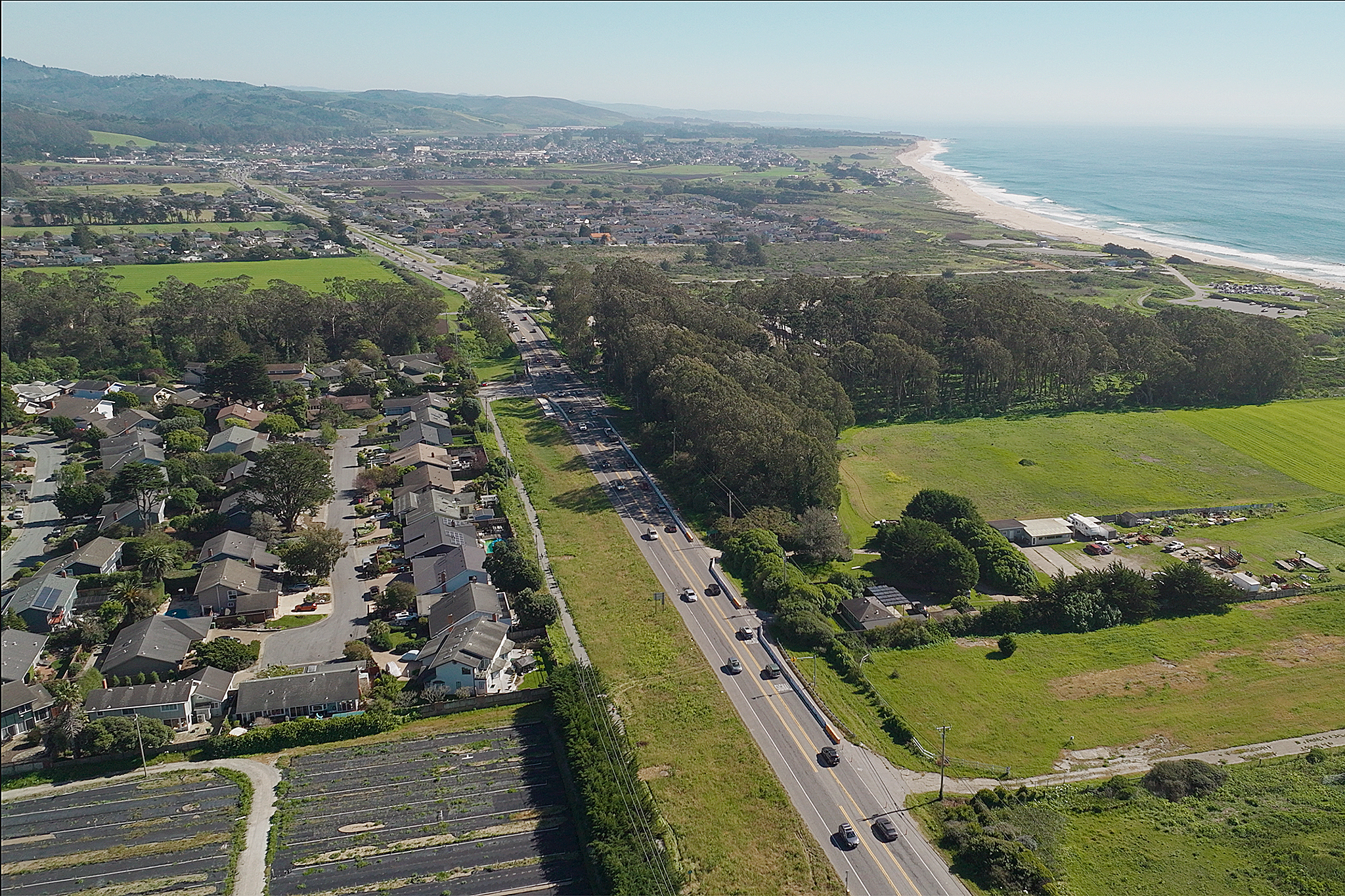
7 months agoSonoma Commuters Rejoice as a 30-Year Freeway-Widening Project Gets Finally, Finally Finished
Completion of the Marin–Sonoma Narrows finally opens lanes on Highway 101 after decades of phased construction, ending a long-standing traffic pinch at the Marin–Sonoma border.
Remodel
fromArchDaily
8 months agoAncillary Facilities in the Tangshan Ape-man Cave Scenic Area / AESEU Architectural Technology and Art studio
Tangshan Ancient Ape-man Cave Scenic Area faces constrained land use, causing traffic congestion, lack of distinctive features, and inadequate services at the urban-rural fringe.
New York City
fromStreetsblog
8 months agoJay Z-Backed Times Square Casino Shrinks Sidewalks and Bus Lanes to Serve More Cars - Streetsblog New York City
Caesars Palace Times Square proposal would remove a bus lane and shrink sidewalks, increasing private car and for-hire vehicle traffic and worsening pedestrian safety.
Toronto
fromwww.cbc.ca
8 months agoDoug Ford said Ontario could buy back the 407. The company that owns it says there's been no such talks | CBC News
No buyback talks have occurred between Ontario and 407 ETR despite Doug Ford's repeated suggestions to acquire Highway 407 to reduce Greater Toronto Area congestion.
:max_bytes(150000):strip_icc()/TAL-traffic-labor-day-san-francisco-LABORDAYTRAFFIC0825-8b074413a43040e5a00886cc14ff678f.jpg)
[ Load more ]