Intellectual property law
fromTheregister
3 days agoFCC foreign-router policy may snarl Wi-Fi 7 rollout
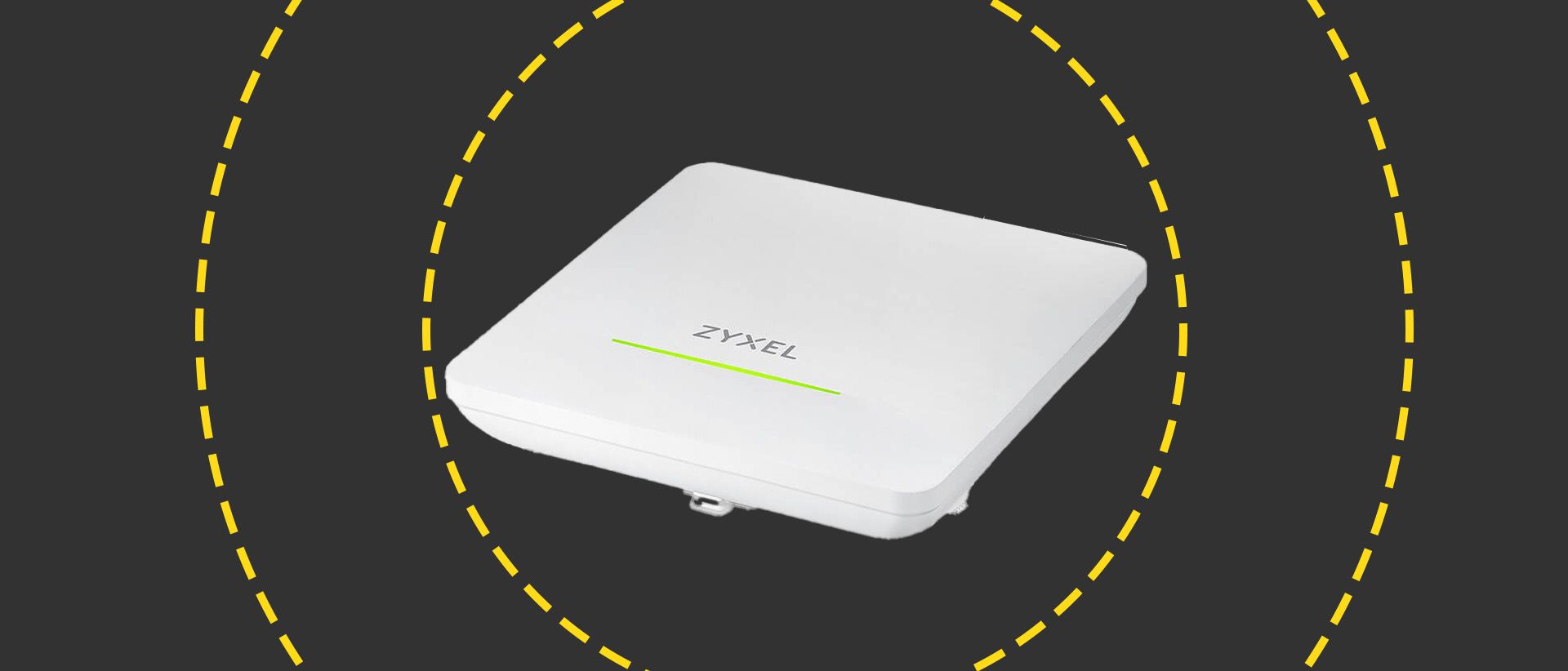
The US ban on foreign-made network routers is impractical, limiting consumer choice and delaying access to next-gen products like Wi-Fi 7.
A router is the hub that sends internet traffic from the modem to every connected device. Even with a fast plan, an outdated or weak router can throttle home internet speed, causing buffering, lag, and slow loading times. This often shows up when multiple people stream, game, or join video calls at the same time.
The leap from a "functional" network to a professional-grade infrastructure is the difference between a dirt path and a multi-lane highway. As we integrate more high-bandwidth technology-from 8K streaming to AI-driven home security-the "consumer-grade" hardware typically provided by service providers is reaching its breaking point.
But that's not the case everywhere. Here in the UK, the rules for telecommunications providers are set by Ofcom (the Office of Communications), and they're pretty simple -- your hotspot should work like your phone. No limitations, no nonsense. But when I'm not in the UK, things get... more complicated. Even in Europe, which has "Roam Like at Home" rules, there are usually hurdles such as speed caps and "fair use policies" to contend with.
I see a lot of people referring to Firewalla hardware as a firewall or security tool, and while that's correct, it also offers so much more. Think of the tech as having your very own personal network administrator, making even complex networking tasks as simple as flicking a virtual switch.
We live in a time where privacy is something we actually have to work to enjoy. Achieving a level of privacy we once had takes work, and you need to start thinking beyond a single desktop, laptop, tablet, or phone -- all the way to your LAN. Before I scare you all off, understand that this starts on the desktop and extends to the LAN. By beefing up both your devices and your network, you'll achieve a level of privacy that you wouldn't otherwise have.
Right now, Amazon has knocked the 4-pack eero 6+ mesh Wi-Fi system by 32%, which brings its price down to just $300 - that's after an impressive savings of $140. The offer is open to both Prime and non-Prime shoppers, plus there are no delivery charges to worry about. The offer is selling out fast, so it's best to place your orders before it's too late.
Do you know what your internet speed is? Are you getting the service your ISP ( internet service provider) promised when you signed that contract? Or are you dealing with slow internet? These might seem like simple questions, but they're important ones. Internet speeds affect nearly everything you do online: how smoothly your video calls run, how responsive your video games feel, and whether you can stream the latest season of "Stranger Things" without buffering.
Ever wondered what the USB-A port on the back of your Wi-Fi router is for? Several things, depending on the model. For example, the port on the router can be used for basic file sharing across your network, charging small devices, and as a waypoint for backing up your computer to an external drive. But here's the truth: I don't recommend using it. Having a USB port on the router sounds convenient, but there are a few problems.
Edge computing is a type of IT infrastructure in which data is collected, stored, and processed near the "edge" or on the device itself instead of being transmitted to a centralized processor. Edge computing systems usually involve a network of devices, sensors, or machinery capable of data processing and interconnection. A main benefit of edge computing is its low latency. Since each endpoint processes information near the source, it can be easier to process data, respond to requests, and produce detailed analytics.
Retail point-of-sale systems today offer a wide range of options for peripherals and hardware. Their technical specifications play a major role in selection, and big retailers often choose multiple vendors to reduce a single point of failure. This gives them an advantage to negotiate price or support as well. Technically, these peripherals also require updating with new models and may have new feature sets. This necessitates the redevelopment of point-of-sale applications, increasing development costs.
Originally developed by Nest (before the Google acquisition), Thread has existed since 2011. Devised as a power-efficient mesh networking technology for internet-of-things (IoT) products, Thread gathered pace after the 2014 formation of the Thread Group, which develops the technology and drives its adoption as an industry standard. Founding members like ARM, Samsung, Google, and Qualcomm have been joined by Apple, Amazon, and many other big companies over the years.
TVs are no longer just displays that you connect to a cable box or streaming device to make them smarter. Also: 21 hidden Netflix settings and secret codes everyone should know They're full-fledged computers now, complete with operating systems, app stores, background services, and internet connections. As a result, they come with a ton of hidden settings, permissions, and features that most people never know about or use.
All of the appliances and systems are brand-new: the HVAC, the lighting, the entertainment. Touch screens of various shapes and sizes control this, that, and the other. Rows of programmable buttons sit where traditional light switches would normally be. The kitchen even has outlets designed to rise up from the countertop when you need them, and slide away when you don't.
Matter, the smart home connectivity protocol that revolutionized the IoT world, has done wonders to bridge the interoperability gaps between brands. For various reasons, however, Matter hasn't completely solved the problem of incompatibility in the smart home. IoT company Copilot.cx aims to change that by giving users access to different brands' devices with a single mobile app. Copilot.cx has introduced Copilot Star, a platform that enables manufacturers to builda branded app based on a single framework, connecting smart home devices running on different platforms.
The packaging immediately signals that RAK took this seriously. Everything is clean and thought-out, you open the box and you get the device, a charging cable, and a lanyard. That lanyard might seem like a small detail, but it comes included at the same price point as other EDC-style devices. In other words, this isn't a cost-cutting compromise or a cosmetic extra, it's a well-considered, user-focused design choice.