China has actually closed the model performance gap, and that means that the quality of the models coming from China are becoming at a neck and neck pace with the United States.
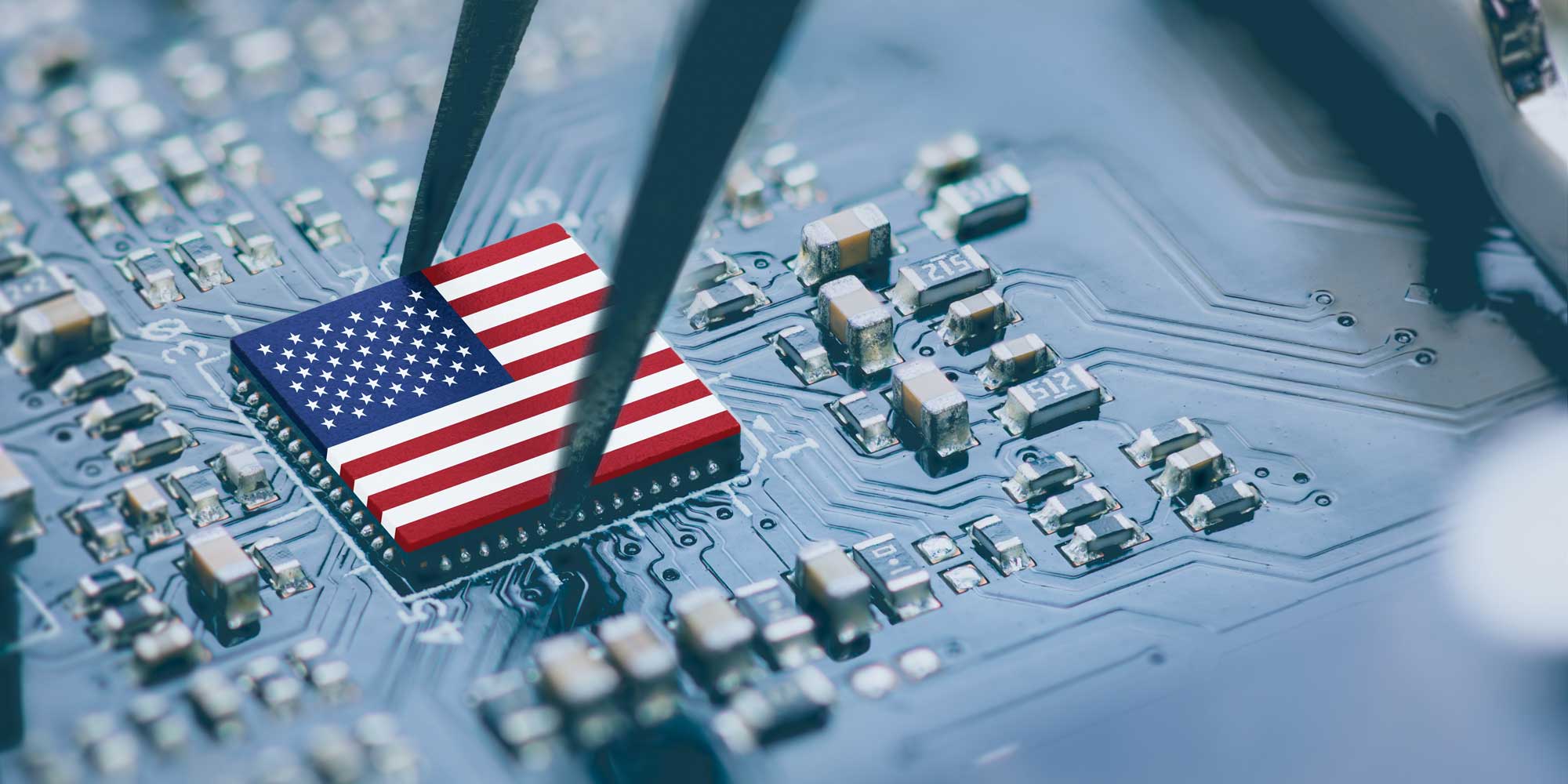
U.S. regulators have allegedly drafted rules that would require U.S. government approval to ship AI chips anywhere outside the U.S., according to Bloomberg, citing sources. This would give the U.S. significantly more control over companies like AMD and Nvidia.
Nvidia's Q3 FY2026 earnings call revealed China data center revenue grew sequentially on "export-compliant copper products," but CFO Colette Kress noted it "remains well below levels prior to the onset of export controls." Nvidia has been selling export-compliant chips to China for two years, and China previously represented 20-30% of revenue share. NVDA is up 0.77% over the past week while Advanced Micro Devices ( NASDAQ:AMD) surged 12%. Nvidia's stock has shown limited movement following the news, while AMD has captured significant momentum.
This week in Other Barks & Bites: the Sixth Circuit affirms a dismissal of a declaratory judgment suit after finding no federal question of law raised by the suit's copyright allegations; the EU's highest court says that EU member states can pass rules implementing a private copying levy against manufacturers of computer hard drive storage; the governments of the United States and Taiwan announce a relaxation of some reciprocal tariffs in response for a $250 billion investment in American chip capacity;
Of all countries, China should appreciate the need to stop Mr. Maduro from smuggling these illicit drugs into the U.S., killing tens of thousands of Americans. China experienced this in the Opium War of 1839-1842, when Great Britain forced opium on China, despite government protestations, resulting in the humiliating Treaty of Nanjing, ceding Hong Kong to Great Britain. Mr. Maduro was violating U.S. laws, in a conspiracy to aid enemies and kill innocent Americans.