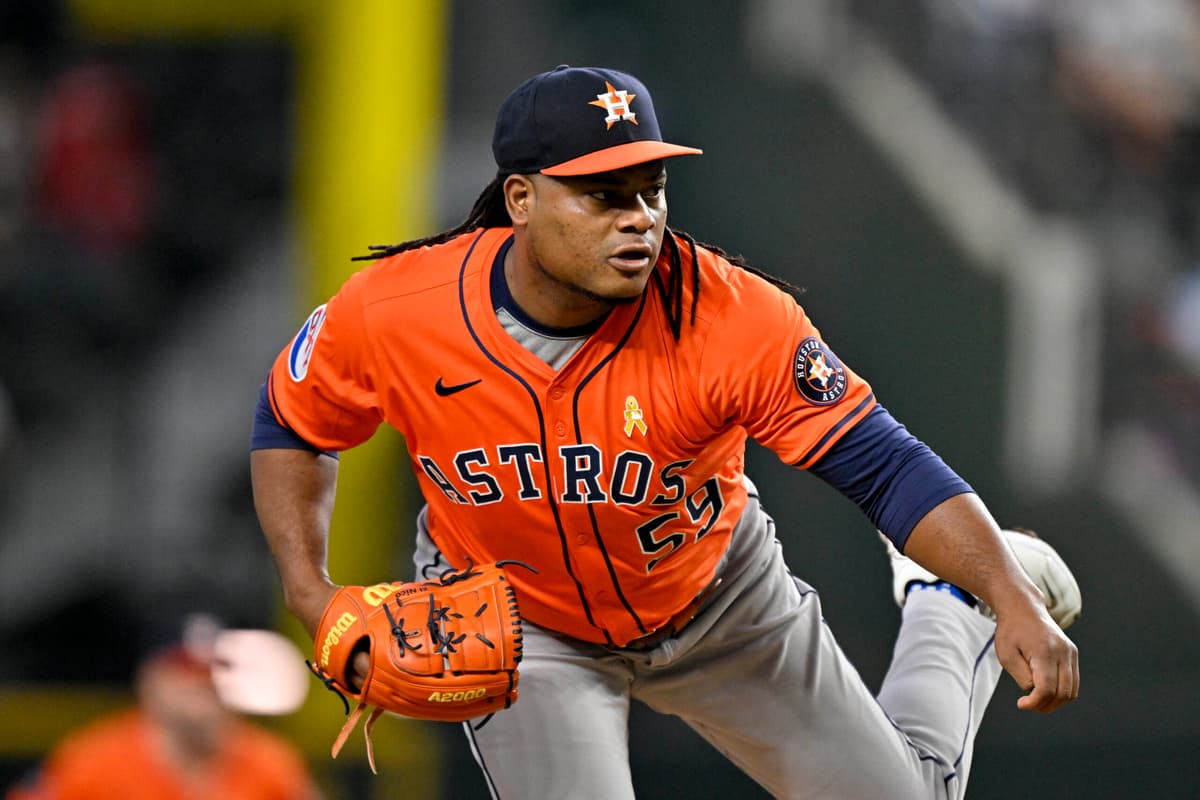
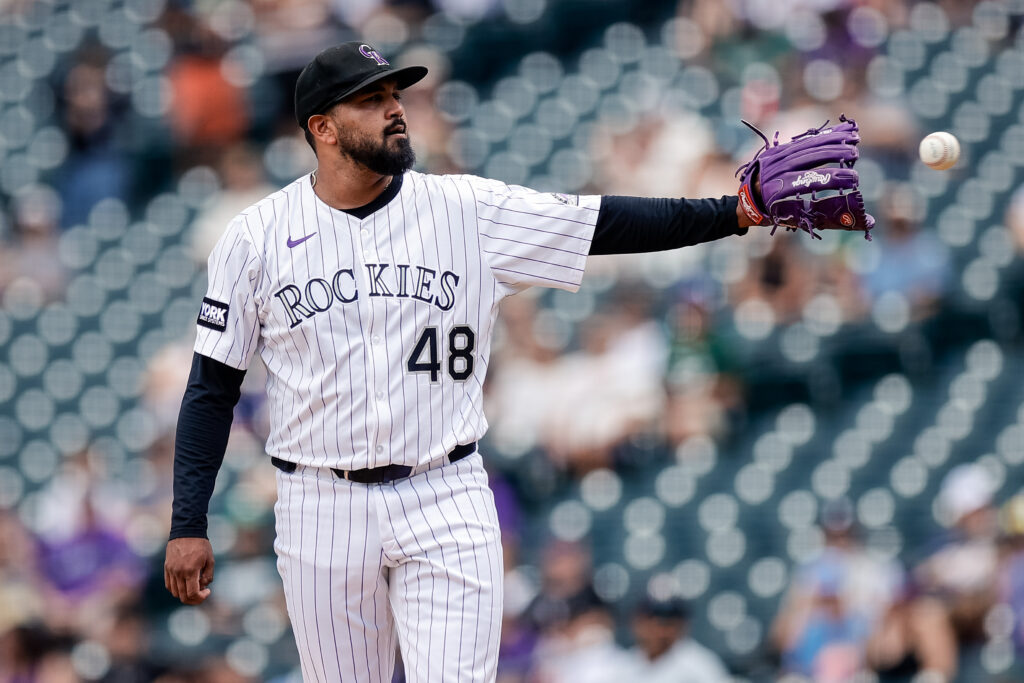
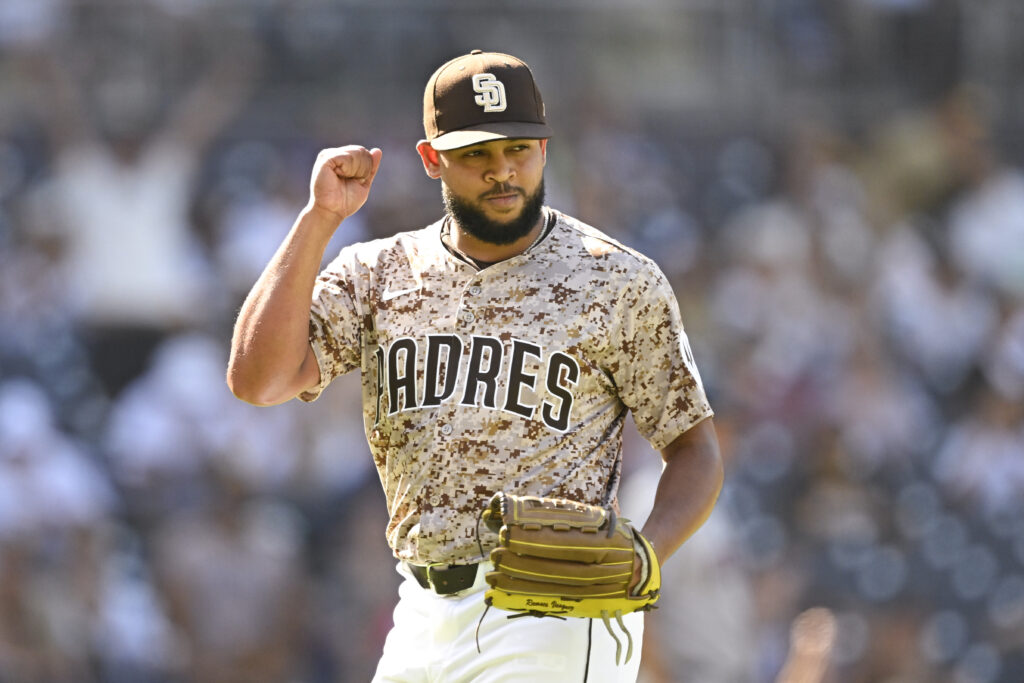
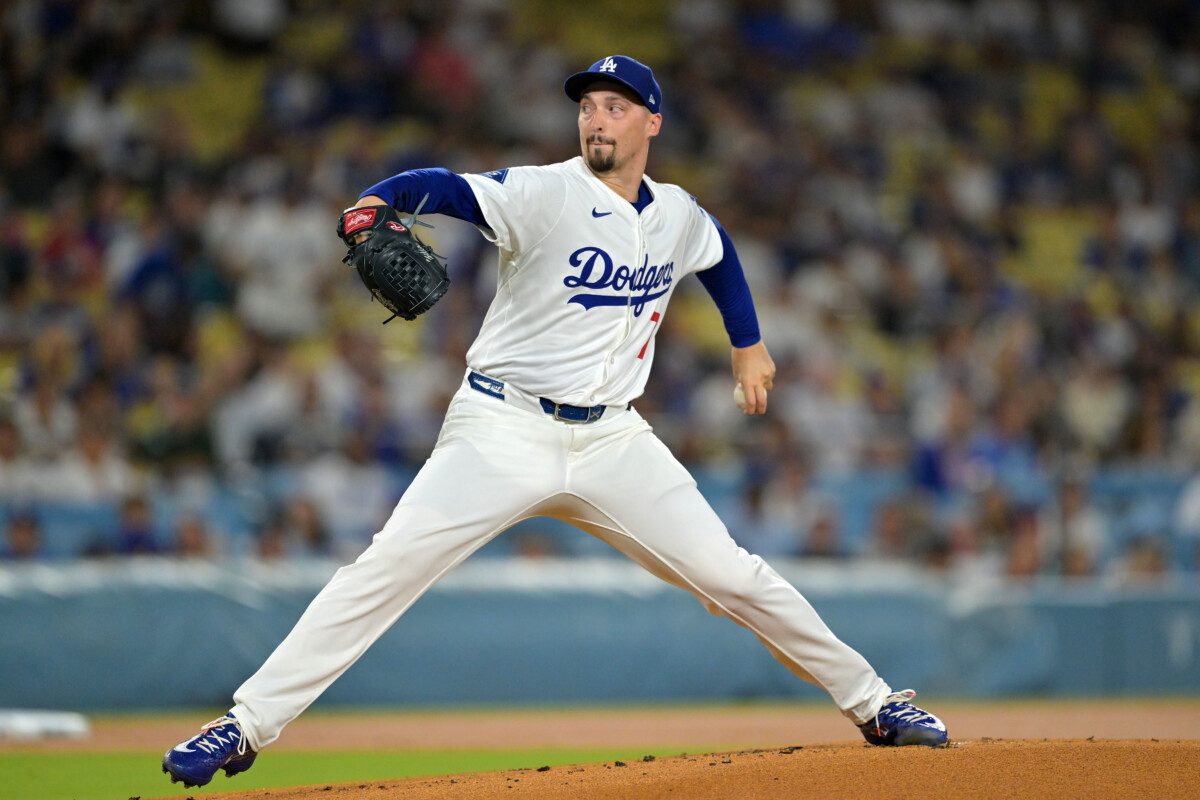
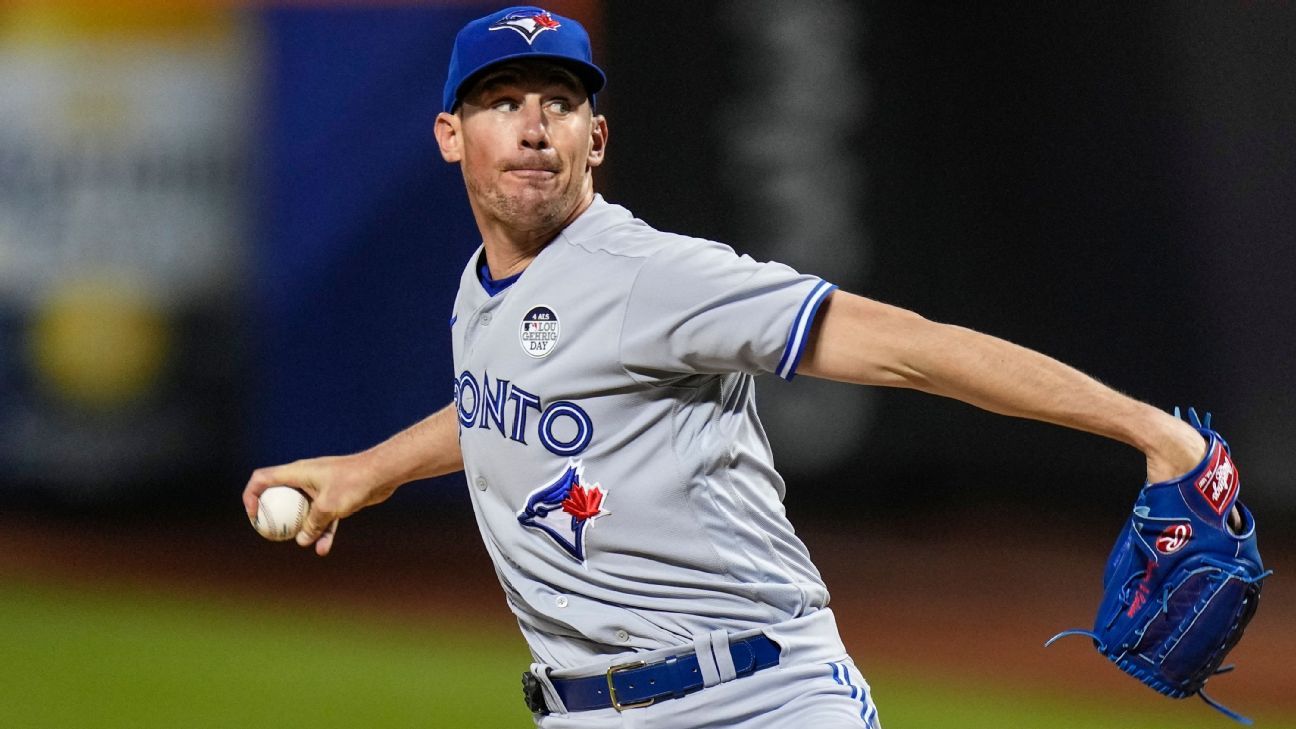
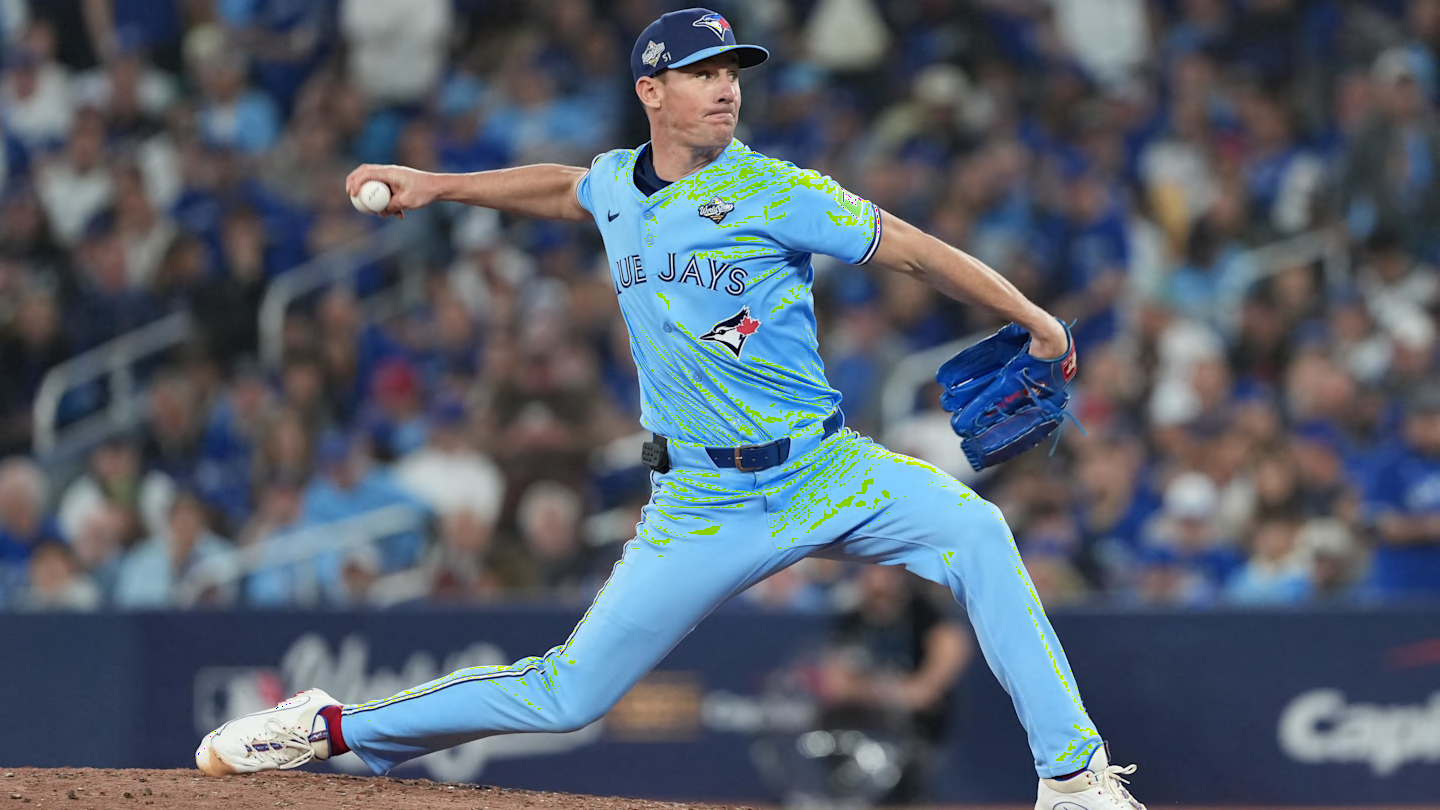
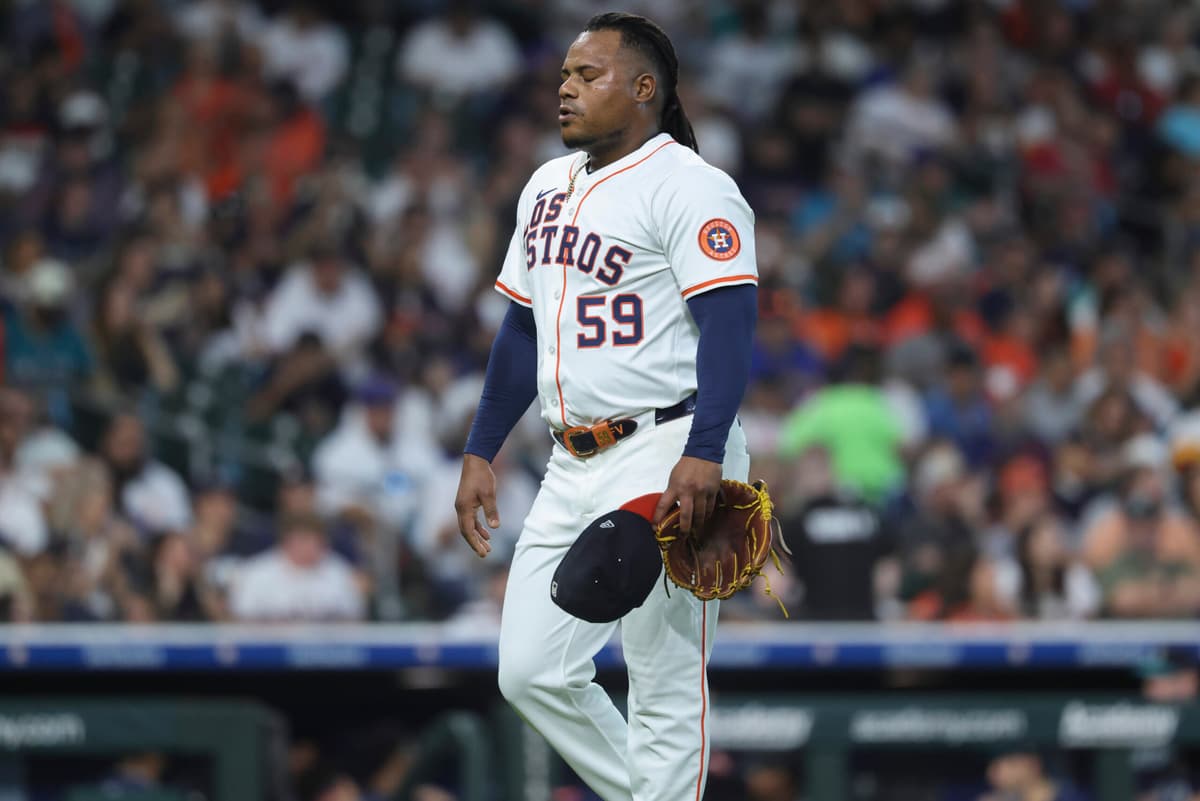
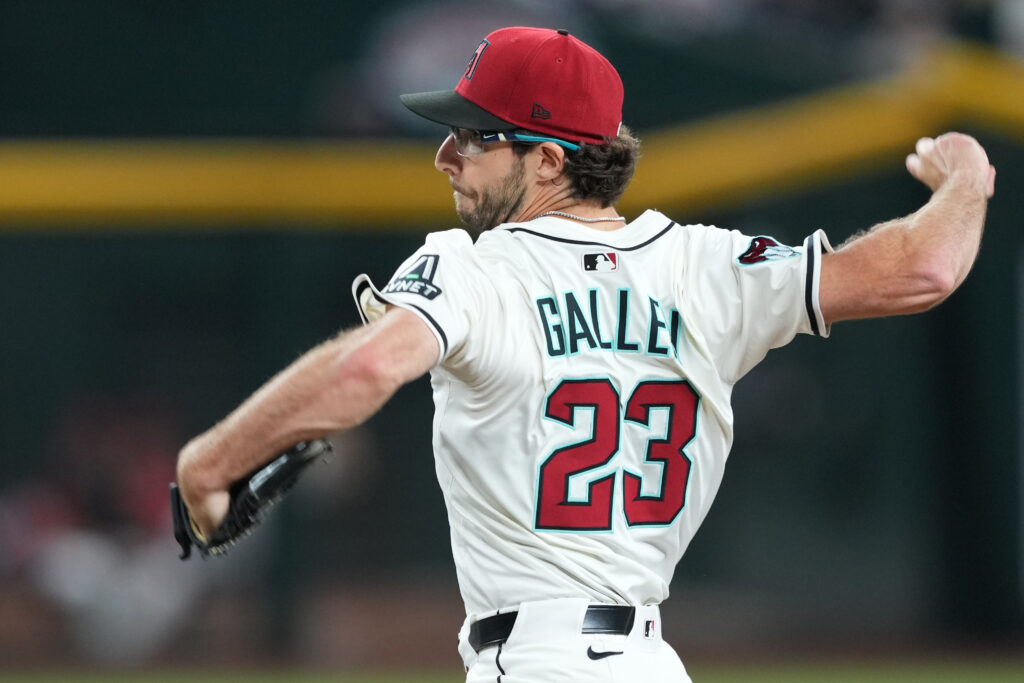
The Cardinals brought him back to the states in 2018 and he performed great, then ok in 2019, then got hurt in 2020, injuring his flexor tendon. He'd get back to full-time work in 2022 and was solid but hasn't been able to replicate that since, likely in large part because at that time he was already 33 years old.
In 2017, starters averaged five and a half innings per start. Now, there's no such thing as half an inning, but that's the beauty of math. That number dipped slightly in 2018, to 5.4 innings per start. Even ignoring 2020, where teams felt more comfortable and/or harried into just getting through the 60-game season, the innings-per-start value bottomed out at exactly five in 2021.
It's a relatively thin group after MLB's best pitcher. Olson missed most of the second half with a shoulder injury. Mize had an All-Star first half but was up-and-down later in the season. While Flaherty's strikeout and walk profile remained strong, he's coming off his second upper-4.00s ERA in three seasons. Anderson has started two MLB games and hasn't pitched in the majors in five years. Melton has mid-rotation upside but worked mostly out of the bullpen as a rookie.
Some concepts are hits. Some are flops. The experiment to watch this year is almost spiritual in nature: Can professional baseball make starting pitching great again? Baseball's obsession with velocity has dampened the soul of the sport. The marquee pitching matchup is an endangered species. The oohs and aahs over a 100-mph pitch have been replaced by yawns. The potential solution, or at least a piece of one, is evident in this job description: