Need to lend your neighbor your car? The newest version of the digital key specification allows vehicle owners to text a copy of the key to other people. Last month, over a dozen automobile and smartphone manufacturers gathered in Palo Alto, California, for the 16th annual "Plugfest," hosted by the Car Connectivity Consortium (CCC) to test out the latest in digital key technology.
The transition to software-defined vehicles hasn't been easy for anybody. But in a sea of struggling companies, Volvo is among the most bruised. Its all-electric EX30 and EX90 were heavily delayed by software issues, yet still arrived buggy and unfinished, forcing Volvo to spend much of last year quashing bugs over-the-air. Screens were glitchy, the keyless entry systems often failed, and in a few harrowing cases, the vehicle lost power on the highway.
Volkswagen AG and Rivian Automotive Inc. have ambitions of selling the electric vehicle technology they're developing together to other carmakers in the future. The two companies' joint venture, known as RV Tech, said it has made solid progress on delivering the EV electrical and software platform that Volkswagen needs to compete with Tesla and Chinese rivals. The JV is focused on delivering models for Rivian and VW but is keeping communication open with third parties about the scalability of its platforms.
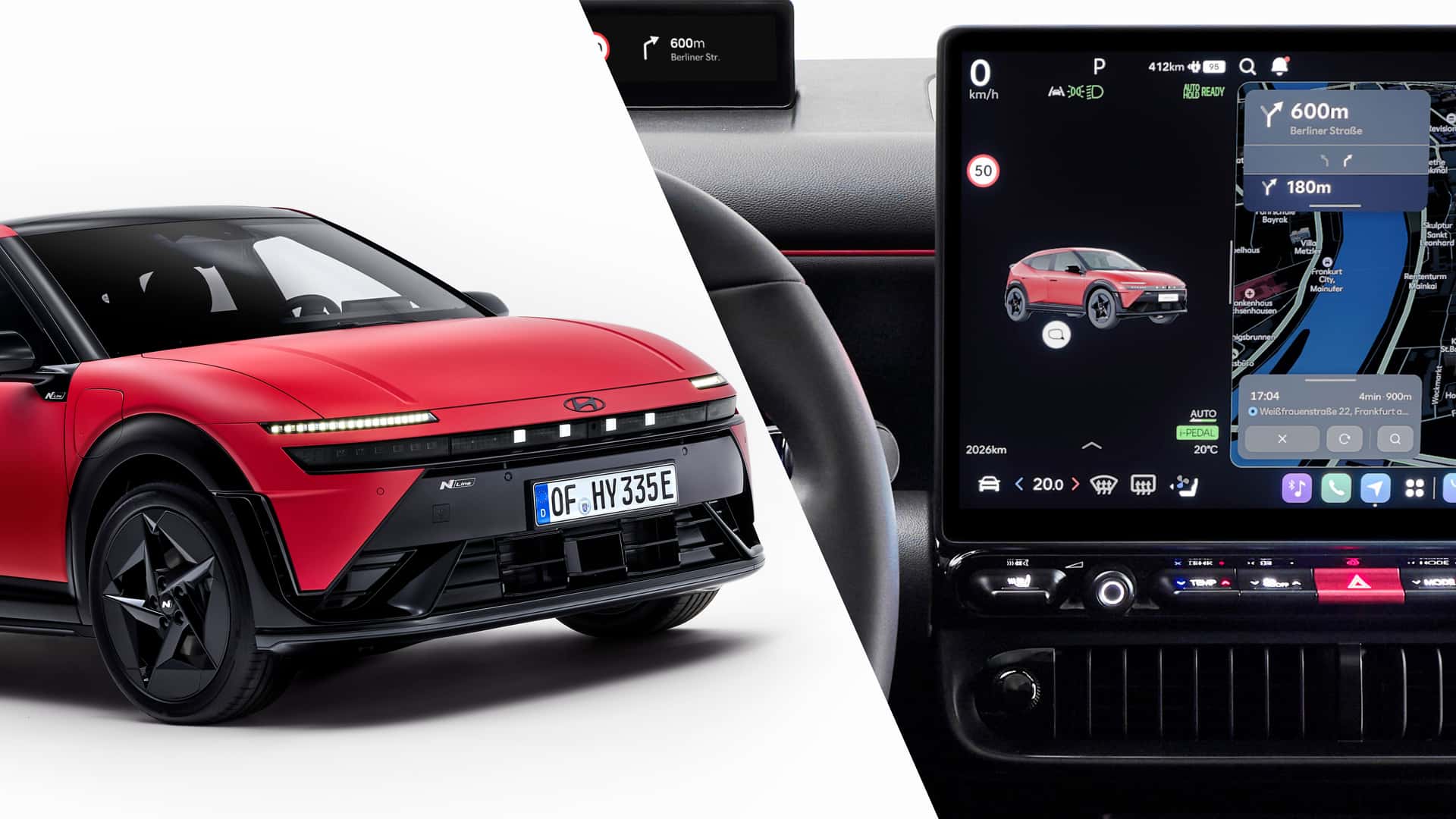
Technology is the key, according to Hyundai's executive chair, Euisun Chung. In a recent interview with Automotive News, Chung gave a crash course in automotive self-preservation. The brand's leader made it clear that for Hyundai-or any automaker, really-to succeed, it must not only adopt changes to the market quickly, but in a meaningful way that meets customer needs. That means embracing what Chung calls "breakthrough technologies" in the industry.
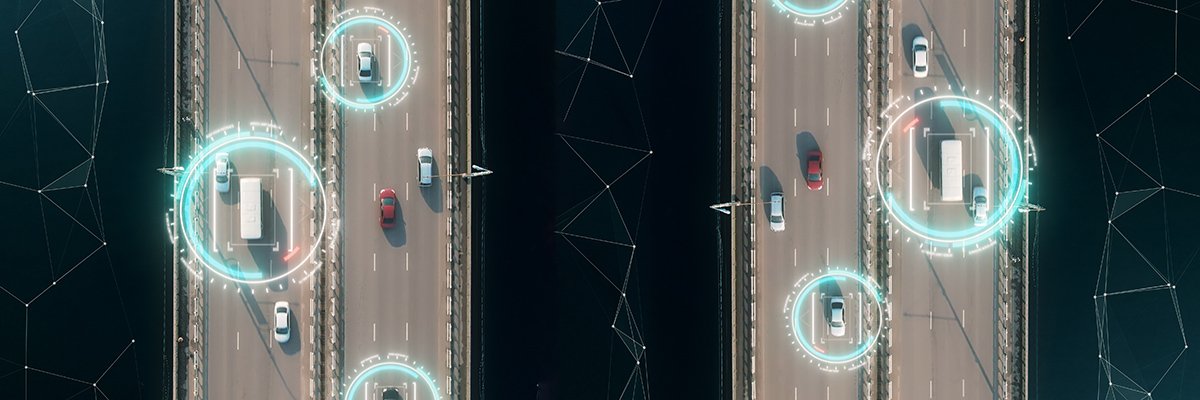
A global survey reveals a seismic shift in the automotive industry towards advanced software and AI capabilities for software-defined vehicles, essential for future success.