Mental health
fromPsychology Today
1 day agoWhat We Lose When Malls Shut Down
Malls can reduce loneliness and depression by enabling social connection, but their decline raises uncertainty about future gathering places.
"I moved here four years ago, and it's been really hard finding friends," she said. "So this is really special to have a place where I can come, and it feels safe. You can express yourself -like I'm making something so weird, but nobody's being judgmental about it. Everybody's been really accepting and kind."
Simply chatting with strangers has a lasting impact: It can make the participants happy. Even smiling and waving hello to a vendor you see regularly can boost your spirits, says psychologist Gillian Sandstrom, who delved into the benefits of social ties after her own uplifting exchanges with a hot dog seller during a time when she was feeling really isolated.
Turning skills into a fulfilling and profitable venture is a natural next step for active seniors. The transition offers a way to monetize years of dedication and hard work. Creating a business plan for a hobby allows for a low-stress entry into the market. You already understand the product or service better than most competitors.
I'm usually [there] early because I have to meet a tradesperson. I'm constantly ordering cleaning products. The TV breaks down, buy a new TV; install the TV. If the beds get cracks in [them], buy a new bed. The biggest part of his job is the boring stuff.
Loneliness is more common among older adults because they're often not in contact with people through routine activities like work. Isolation is associated with increased risk of heart disease, dementia, stroke, depression and premature death.
She made a joke about not being able to find the right door to the venue and I admitted I'd had the same problem, and straight away we were laughing. She came across as honest and quick to laugh and the conversation just flowed.
What started as a casual indulgence became a shared ritual. And without intending to, Grease Wednesdays began to change our department culture. We all began to get to know each other as individuals, with pets and families and hobbies. The ritual also smoothed tensions between departments, built friendships between unfamiliar teammates, and helped us realize we hadn't felt all that connected before.
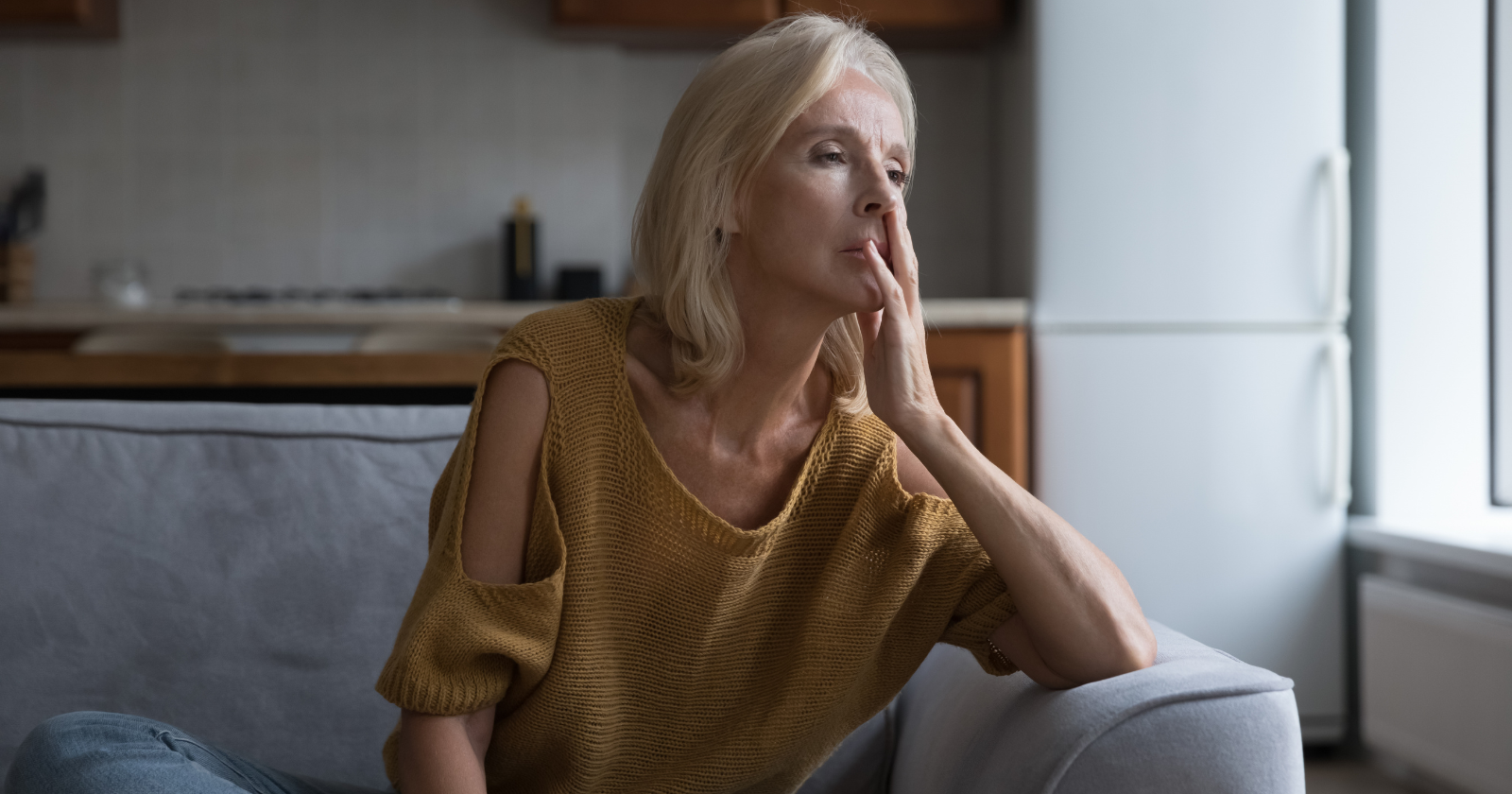
"After the drive for food and shelter, it is the motivation to matter that drives human behavior," says Wallace. "It is this idea of feeling valued by our family, our friends, our colleagues, our community, and having an opportunity to add value back to the world around us." Studies show that when we have this, it is better for our overall health, especially mental health. "The research is finding that it is linked with lower depression, lower anxiety, reduced risk of suicide," says Wallace.
Dog ownership has increased dramatically in many western countries. For example, in the UK there has been an increase from around 8.3 million in 2011 to 13.5 million in 2025. That means that approximately 29% of UK adults own a dog! At least partially this increasing trend of owning a dog is linked to millennials being more likely to have children later in life.
Every Sunday morning for the last seven years, I have walked into a noisy room filled with students to teach a heated vinyasa class. Noisy as in locker room, celebratory night out, restaurant level noisy. It's a far cry from the quiet shalas I spent years practicing in, spaces where so much as a whisper was frowned upon. I am a rule follower by nature. I respect a "shhh quiet" policy that some studios and teachers enforce.
When our family moved to Oregon from Southern California in 1974 for my husband's new job, I fell in love with the Pacific Northwest. But there was one problem: There wasn't enough sunshine or swimming pools - both of which I had enjoyed in California. When the community college where I taught offered free memberships at a new gym, I quickly signed up. I expected exercise, but I got so much more.
When I visited flourishing groups, I noticed that being with them felt different. They possessed a vibrancy, a switched-on responsiveness that showed up in their bodies. Their posture, in general, was relaxed; their heads were up and their interactions were fluid. Aliveness was the word I kept writing in my notebook: a feeling of being carried along in a river of energy that was headed somewhere good.
People say it takes a village to do difficult things: raise a child, sustain a community, build a barn. But we don't often talk a lot about what it takes to be a villager. What does it mean to not just be in a community, but to help create one? Priya Parker, author of The Art of Gathering: How We Meet and Why It Matters, says the key is to put yourself out there, even if it's scary.
At first glance, that statistic might seem to confirm a familiar narrative about modern life. People are isolated. Communities have weakened. Technology has replaced relationships. But the data tells a more precise story. Most Americans want connection. Many are actively looking for it. What they are running into instead are systems that make connection hard to access and harder to sustain.
Remote work is amazing and so is pizza. But you shouldn't eat pizza every day and you shouldn't work from home every day either. As an introvert I hate small talk and loud spaces, so when remote work became the default during COVID, it felt like the world had finally adjusted to me. No commute, no noise and no forced conversations. I could work in silence with my cat on my lap.
If you're someone who rejoices at self-serve checkouts, automated banking, or online shopping-and I'll admit, I tick two out of three of these boxes-have you ever stopped to think about how taxing these shifts might be on the incidental social interactions we have with others? Recently, while reading Why Brains Need Friends: The Neuroscience of Social Connection-And Why We All Need More, I realised just how much these incidental social opportunities are diminishing.
Few experiences are more emotionally and psychologically taxing than feeling that you don't matter. You might sense it when you're talked over in a meeting, when no one asks for your opinion, when you work hard, but your efforts aren't acknowledged, when your teenage child no longer wants to spend time with you, or upon retirement, when that inevitable question sneaks in: Does anyone need me?
Humans spontaneously synchronize to a broad range of stimuli: synchronized walking, turn-taking in conversation, marching, dancing, and the in-unison singing of "Happy Birthday." Synchronization is shown especially in dance, where planned coordination is the goal. Dancers' sophisticated timing skills are particularly important for coordinating with other dancers in duet or group choreography/improvisation. The term entrainment is usually paired with the notion of coordinated rhythmic movement. It describes a phenomenon in which two or more independent rhythmic processes synchronize with each other.