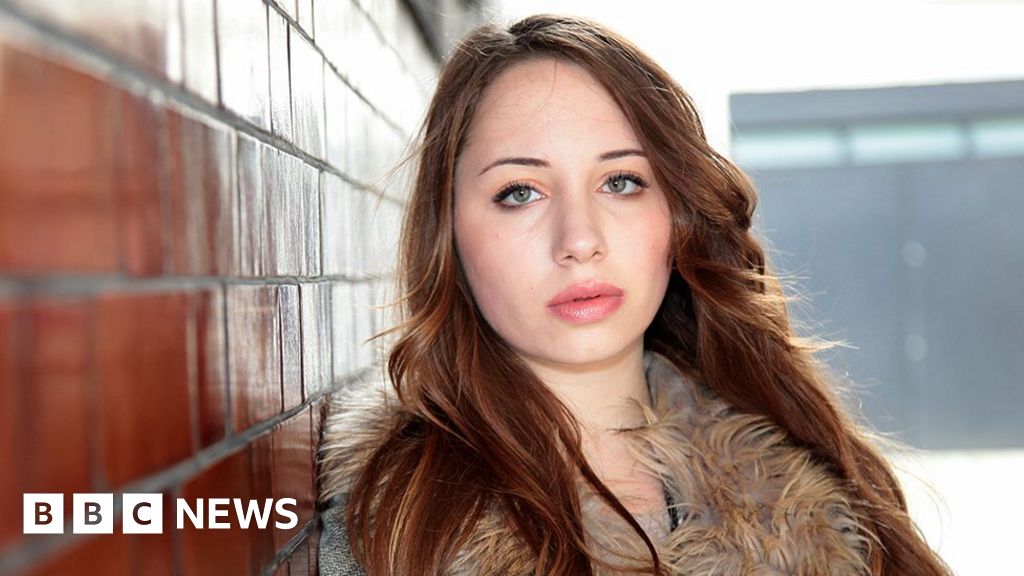
One in four teenagers in care have attempted to end their own life, and are four times more likely to do so than their peers with no care experience, according to a landmark study. The research analysed data from the millennium cohort study, which follows the lives of 19,000 people born in the UK between 2000 and 2002, and considered how out of home care, including foster, residential and kinship care, affected the social and mental health outcomes of the participants.
This increase has been especially pronounced among children and adolescents. Suicide is now the second leading cause of death among youth aged 10 to 14 years and the third leading cause of death among adolescents aged 15 to 19 years (Flores et al., 2024). Studies indicate that although male adolescents (and adults) have significantly higher rates of suicide, females have shown the greatest rate of increase in the last decade.
After I stopped breastfeeding, I was happier. My anxiety lessened because I knew she was getting enough to eat. After each formula feed, Lily would fall asleep on my chest. I'd pat the milk off her chin with a burp cloth as she faintly snored. I wished I could match her peace, but I couldn't shake the want to escape.
Over the past decade 97 women have died in prisons in England and Wales, as incidents of self-harm among female prisoners reach the highest level on record, a new report has found. Inquest, the charity that produced the report, collated Ministry of Justice (MoJ) figures since 2015 to arrive at a total number of deaths. It said the numbers were evidence for its case that all women's prisons should be closed.
The family of Adam Raine, a California teen who took his life after extensive conversations with ChatGPT about his suicidal thoughts, has amended their wrongful death complaint against OpenAI to allege that the chatbot maker repeatedly relaxed ChatGPT's guardrails around discussion of self-harm and suicide. The amended complaint, which was filed today, points to changes made to OpenAI's "model spec," a public-facing document published by OpenAI detailing its "approach to shaping model behavior" according to the company.
On the same day Meta showcased its latest , Brandy Roberts stood outside its headquarters mourning her daughter Englyn - who was just 14 when she died after watching a "how-to" suicide video on Instagram. Brandy wasn't there as an activist. She was there as a grieving mother demanding answers. Inside, Mark Zuckerberg fumbled through of glitchy smart glasses and AI tools. Outside, grieving families demanded accountability. Meta's silence spoke volumes: Growth over grief, product over protection, optics over safety.

Using data collected from calls made to U.S. poison centers, researchers found that there were over 1.5 million substance exposures reported in kids ages 6 to 12 from 2000 to 2023. Almost half of the exposures in this study were associated with therapeutic errors - think, the child took two doses of a medication by accident or was given it twice by parents who hadn't realized the other had already done so.
Suicide is a topic that is often challenging to mention for those struggling with these thoughts, their families, and those around them. Misophonia is likely a neurophysiological condition that causes significant distress from otherwise normal auditory stimuli such as chewing, snapping, sneezing, and more (Brout, 2018). Distress is a major component of misophonia, and it may not be shocking to some that misophonia has been linked to self-harm and suicidal ideation (Edelstein, 2013; Alekri, 2019). Despite this link, misophonia suicide awareness is rarely a detailed topic of conversation in social media and peer support communities.
When I got on that roof, I was absolutely desperate, thinking I was going to die, he said. I'd been asking for help for days. I wasn't trying to hurt anyone, I just needed to escape and feel safe in a system that makes that almost impossible. That moment was the only way I felt I could survive.