#revolutionary-war
#revolutionary-war
[ follow ]

fromHyperallergic
1 day agoTrump Re-Erects Monument of Enslaver Removed in 2020
A group of sculptures installed at Freedom Plaza on Friday, May 22, includes a statue of a Revolutionary War officer who enslaved at least 200 people during his lifetime. The equestrian monument of Caesar Rodney, a signer of the Declaration of Independence, had been removed by the city of Wilmington in Delaware in June 2020, amid historic Black Lives Matter protests against racist violence.
Arts
fromABC7 Los Angeles
2 days agoFrom a certain king to soccer royalty, a New England farming village tills its rich history
“We think of these great characters from history driving history forward,” said director Nick Foster. “But it's really the small people and communities like this that make history every day.”
History
Arts
fromThe Art Newspaper - International art news and events
2 weeks agoNew York institutions offer nuanced and inclusive views of US's 250th birthday
250th independence anniversary celebrations combine patriotic events with reflective initiatives, including traveling exhibits and immersive museum displays of surviving Declaration documents.
fromOregon ArtsWatch * Arts & Culture News
1 month agoAmerican Revolutionary War Memorial dedication ceremony activities announced * Oregon ArtsWatch
The dedication ceremony will begin with the first speaker at 1:30 p.m. and end with a 2:33 p.m. flyover by the West Coast Ravens that perform at air shows.
Portland
fromCbsnews
2 months agoBattle of Brooklyn exhibit explores conflict that shaped American Revolution with rare maps, artifacts
"There's quotes all throughout this exhibition ... but one of my favorites is from Charles Higgins. It basically says, 'The Declaration [of Independence] was signed in ink in Philadelphia, but it was signed and sealed in blood in Brooklyn.'"
Brooklyn
fromThe Atlantic
7 months agoThe Black Loyalists
The man who would come to be called Harry Washington was born near the Gambia River, in West Africa, around 1740. As a young man, he was sold into slavery and endured the horrors of the Middle Passage. In Virginia, he was purchased by a neighbor of George Washington, who then bought the young man in 1763 for 40 pounds. After working to drain the colony's Great Dismal Swamp-one of George Washington's many land ventures-he was sent to Mount Vernon to care for the horses.
History
fromMashed
7 months agoNew York's Oldest Restaurant Has Been Serving Meals Since Colonial Times - Mashed
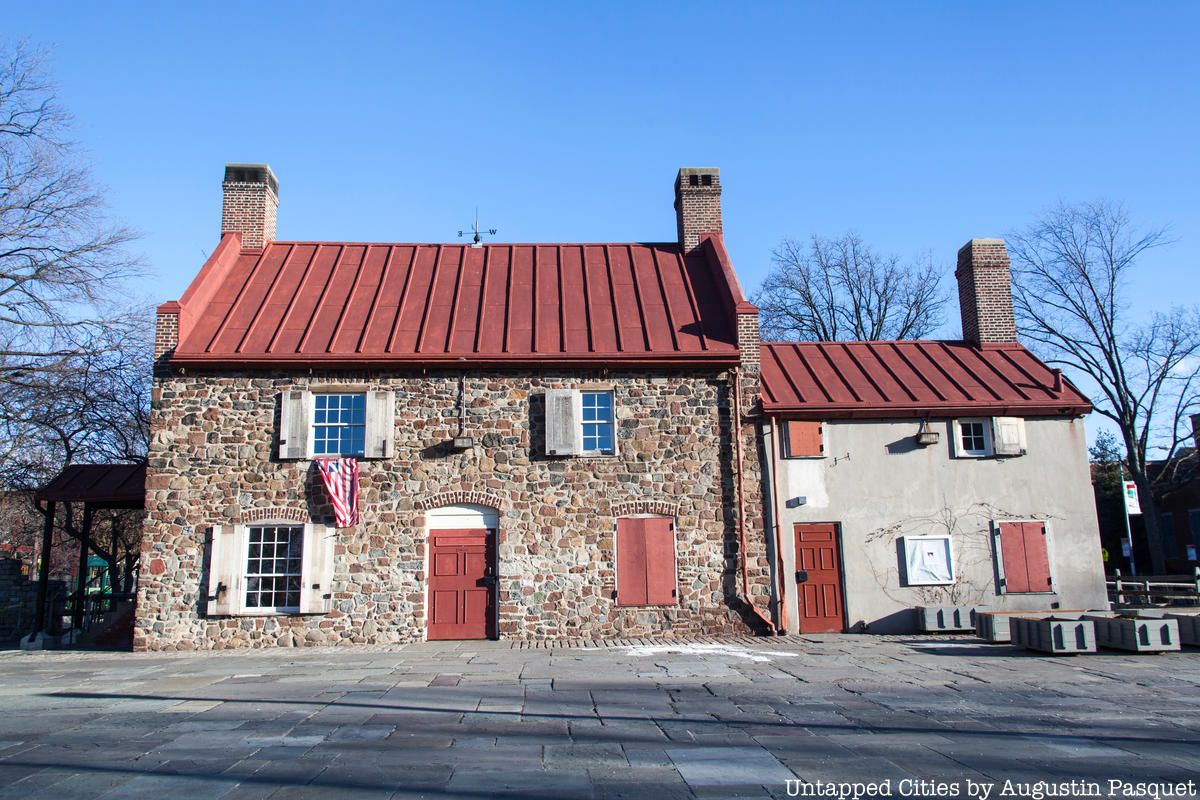
Originally constructed as a home by a merchant named Casparus Mabie, '76 House was later operated as a tavern. One of the country's oldest operating restaurants, it functioned as a key social and political hub that drew locals and soldiers alike during the Revolutionary War. Plenty of history has been made in the restaurant in the past two and a half centuries.
History
History
fromTasting Table
8 months agoThe Humble Yet Crucial Cooking Tool Revolutionary War Soldiers Relied On - Tasting Table
Lightweight tin cook kettles, issued to both British and Continental soldiers and often sized for six men, were essential portable cookware sustaining Revolutionary War armies.
fromSFGATE
10 months agoFounding Father John Hancock's Boston Home Is on the Market for First Time in Half a Century-More Than 250 Years After It Was Built
The iconic dwelling, known as the Ebenezer Hancock House, is available for purchase for the first time in more than 50 years and was meticulously maintained for decades.
Boston real estate
fromNBC News
11 months agoA Revolutionary War-era boat is being painstakingly rebuilt after centuries buried beneath Manhattan
The public can come and contemplate the mysteries around this ship, because like anything from the past, we have pieces of information. We don't have the whole story.
Boston food
[ Load more ]