Renovation
fromArchDaily
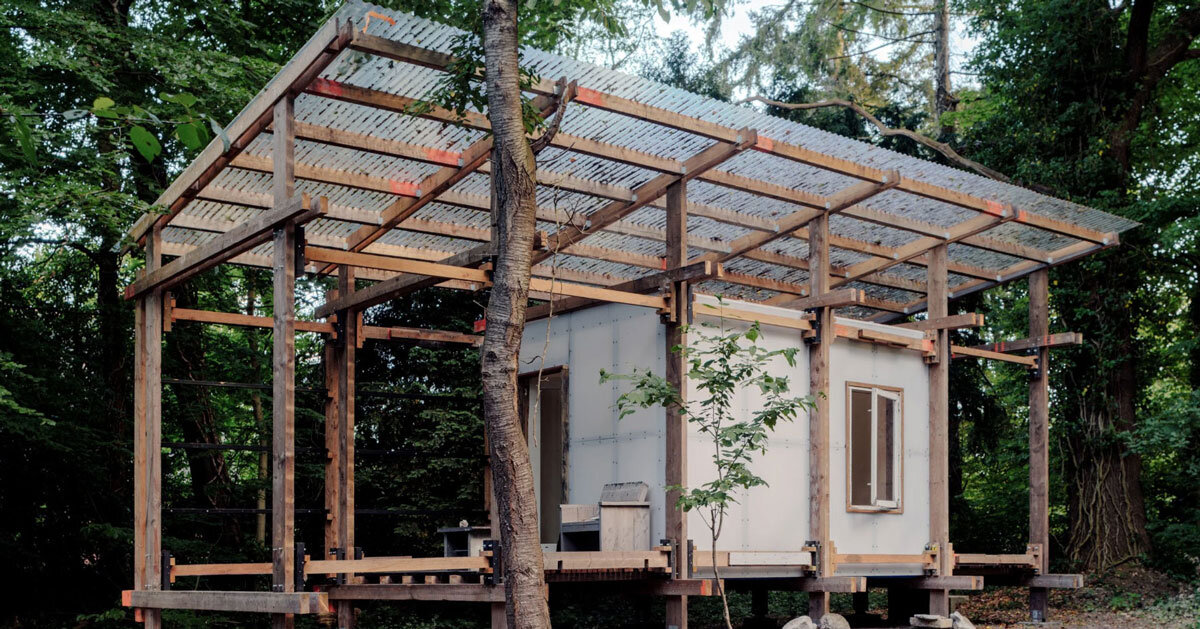
1 week agoArquivo: Deconstruction and Material Reuse for a Circular Architecture
The construction industry must embrace sustainable solutions through deconstruction and reuse to combat waste and energy consumption.
Growing up outside Manchester, I learned early that there's a stark difference between having money and knowing how to make things last. My dad worked factory shifts while my mum juggled retail hours, and our house ran on an unspoken rule: if something still worked, you didn't replace it. Last month, I visited a friend in Belgravia who was renovating his kitchen. As we chatted over coffee, workers hauled out perfectly functional appliances that looked barely used.
We can make changes to reduce our waste by precycling when we shop, reducing what we purchase, reusing items to get the most use out of them, and recycling when possible. But when we have items to throw away, please dispose of trash responsibly and don't litter. Let's reduce our waste and clean up our planet. It's our only home.
Pickle fans know the joy of nabbing a fresh jar of any of the best pickle brands and enjoying the tasty snacking and sandwich-stacking possibilities. But there's a way to feel even better about your pickle purchase: reusing those jars. When you can repurpose a product's packaging, the benefits are plentiful. You're participating in an eco-friendly mission to reduce waste, and you're also putting the packaging to use for where you might have otherwise had to spend money to buy new.
The composition of Birdwood features a mix of reclaimed industrial materials and a ziggurat roof serving as a skylight, integrating seamlessly with its natural environment.
Roalson said the conservation approach forms the foundation of Austin's 100-year water plan, since new water supplies are expected to become more scarce and expensive as more residents and resource-intensive businesses move into the area.