Healthcare
fromFast Company
2 days agoDignity as a competitive business model
Healthcare affordability is forcing families to delay care, highlighting the need for dignity-centered care models that prioritize patient respect and community health.
The convenience of sourcing online is fraught with more pitfalls than most of us want to admit. Try finding adequate photos of a vintage piece's condition-close-ups of the fabric, video of damaged areas, any images of a piece's rear or underside!
Operational Excellence practices alone don't guarantee success; implementation quality, organizational culture, leadership commitment, and strategic alignment determine competitive outcomes. Banks implementing identical operational improvement methodologies like Lean and Six Sigma achieve vastly different results due to factors beyond the practices themselves. Success depends on how thoroughly organizations embed these approaches into their culture, the quality of implementation execution, leadership commitment to continuous improvement, and alignment with overall business strategy.
When you purchase the top-selling creatine gummies on Amazon, you expect to get what you pay for. But a recent study found that four out of six popular brands contained virtually no creatine at all. In the case of the worst offender, customers would need to consume 2,000 gummies to get the advertised 5-gram dose. Still, combined these products sell over 50,000 units monthly and boast 4.4+ star ratings.
In enterprise commerce, totals don't drift because someone forgot algebra. They drift because reality changes: promos expire, eligibility changes when an address arrives, catalog data updates, substitutions happen, and returns unwind prior discounts. When someone asks "why did the total change?" you need more than narration. You need evidence - a trail of facts you can replay and a pure computation that deterministically produces the same result.
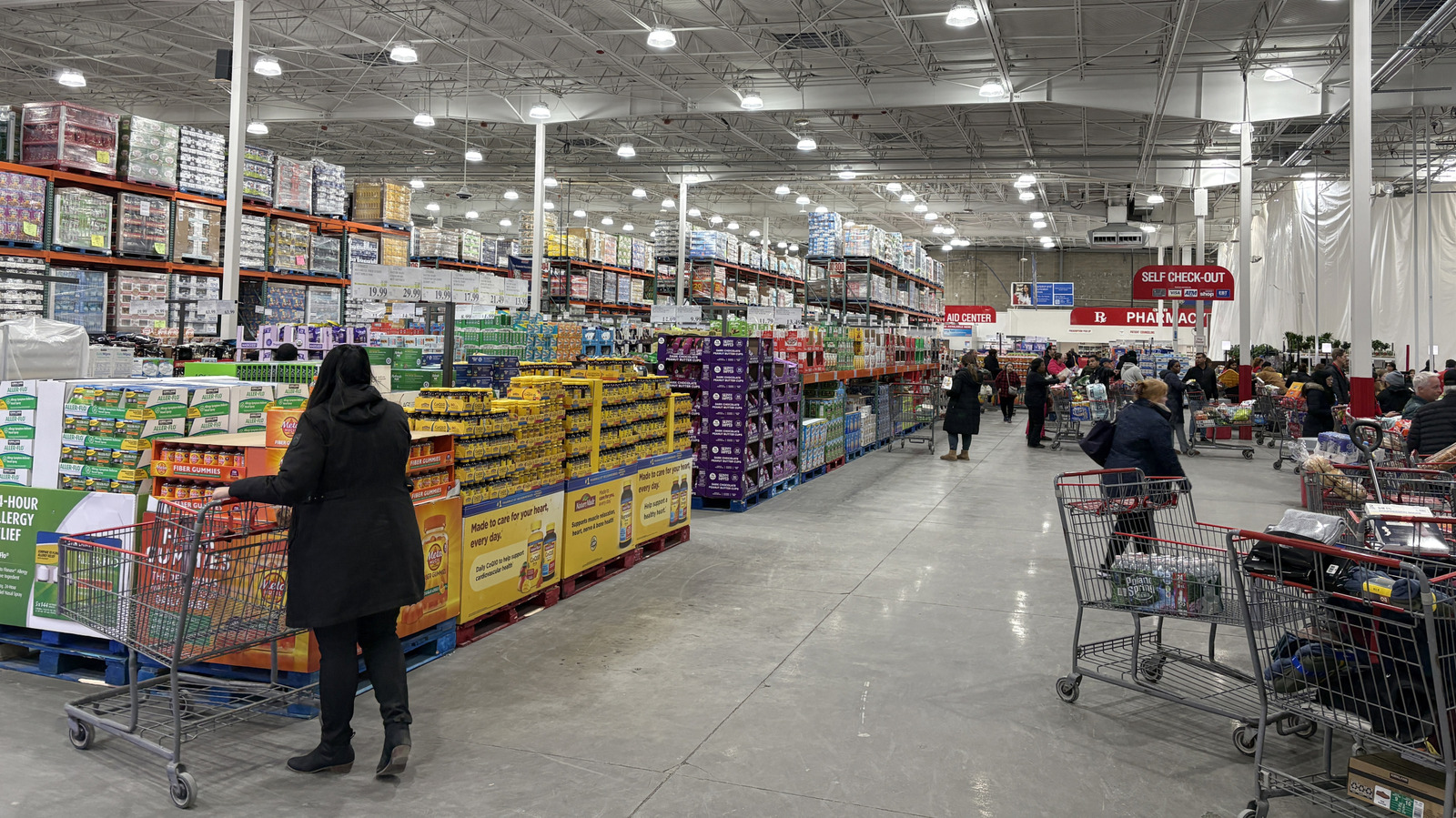
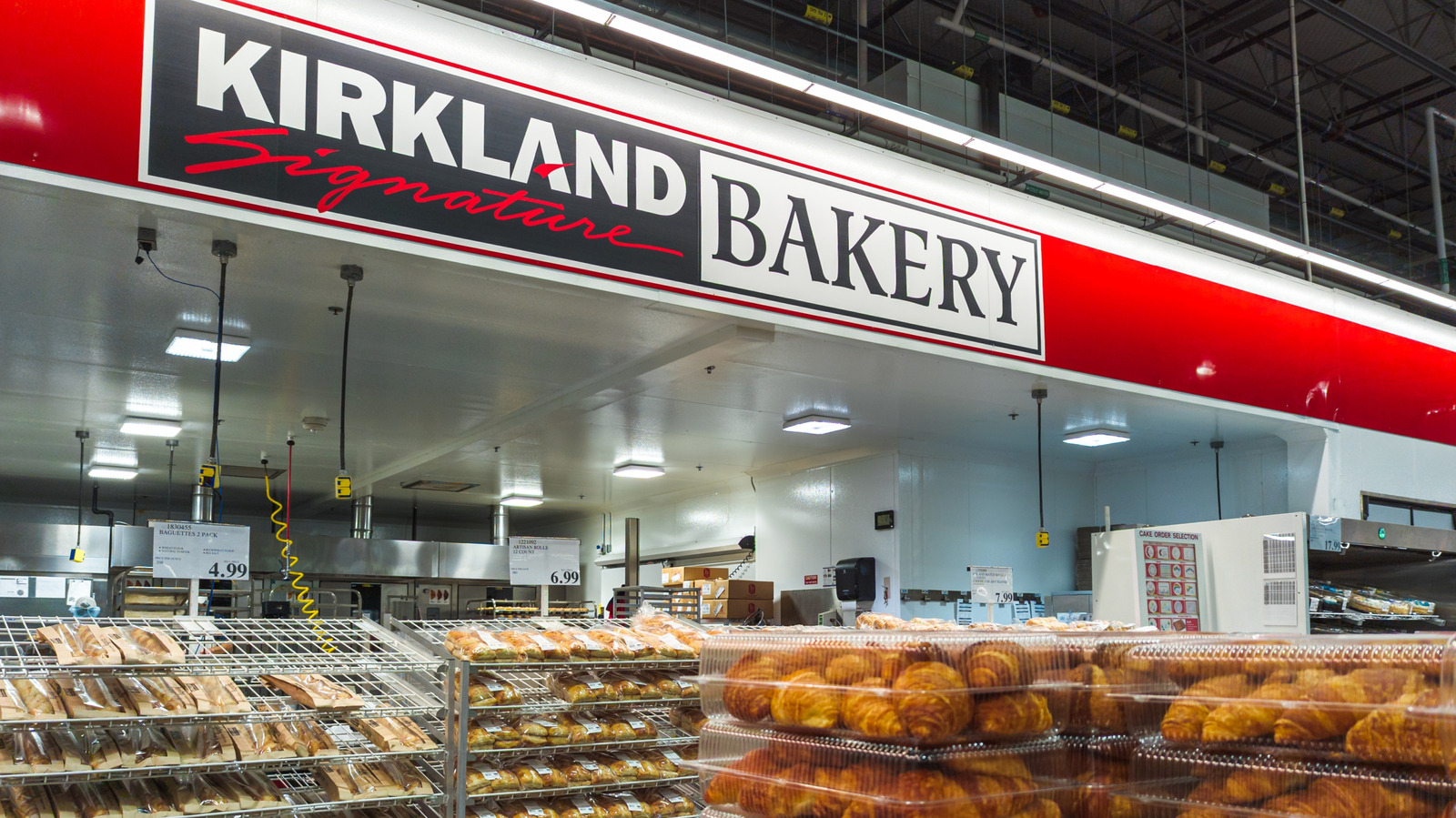
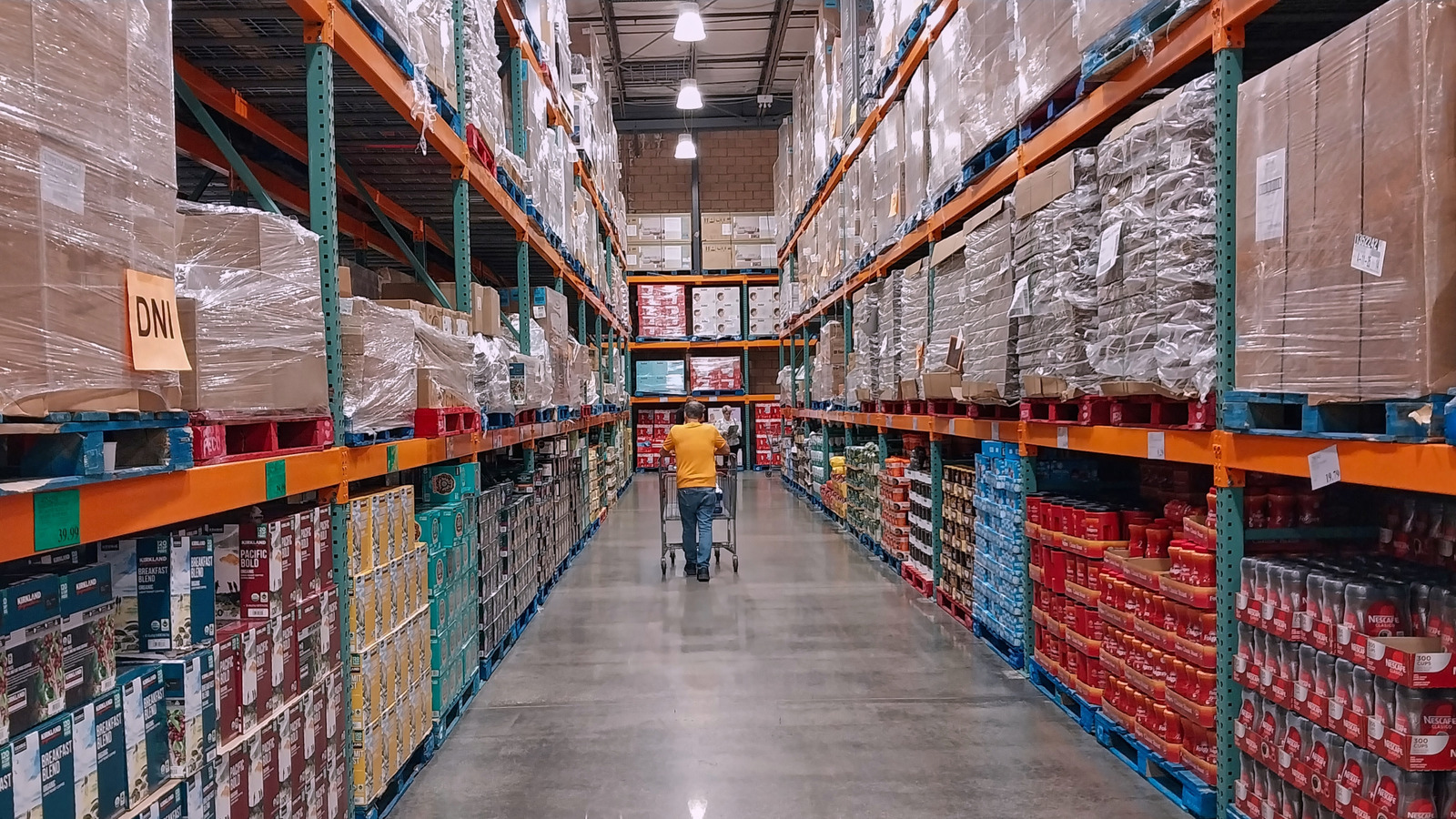
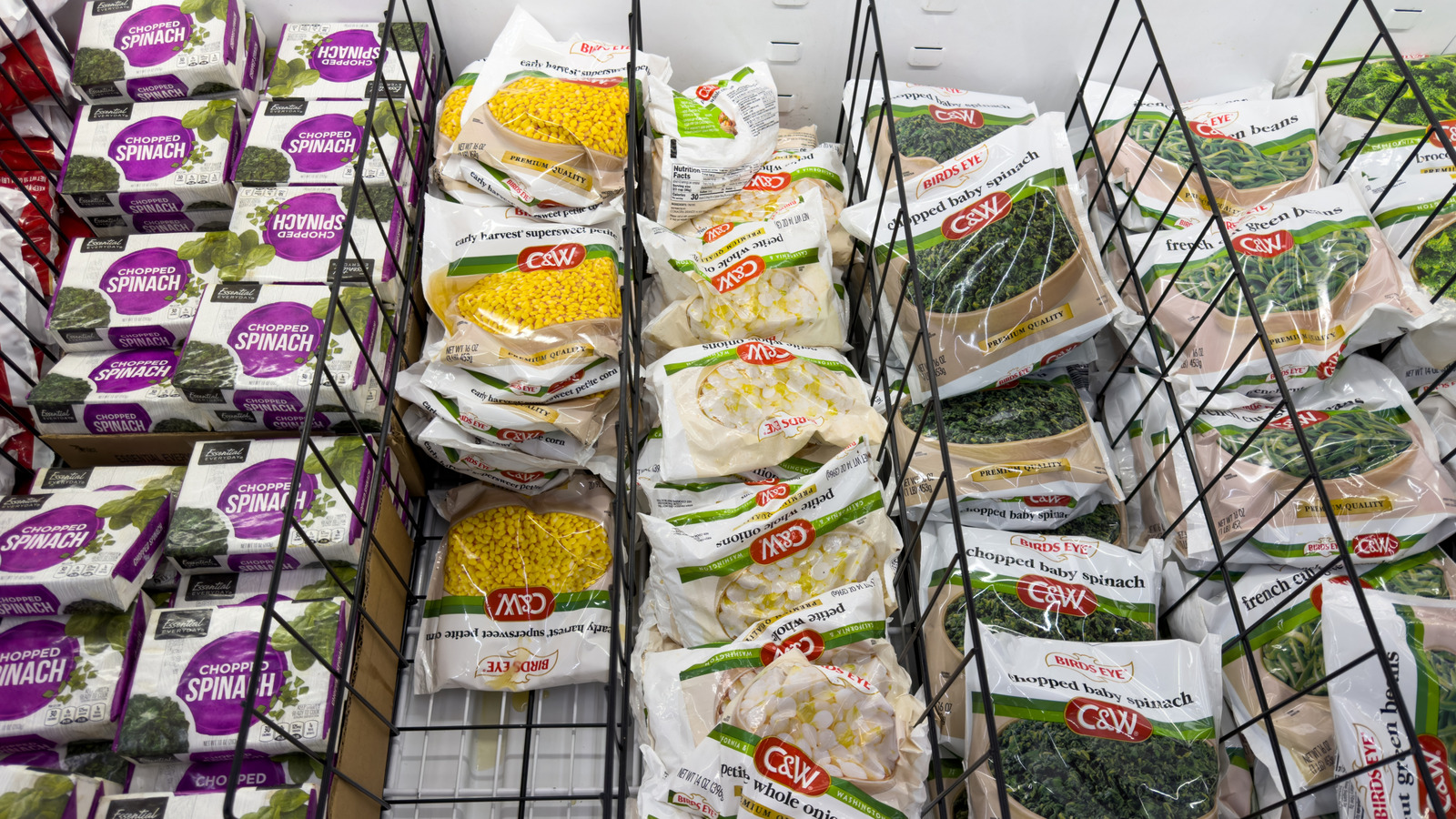
Sourced directly from a manufacturer, private-label brands remove one or more layers of intermediaries from the supply chain, usually distributors or other brands. A nearly identical private brand can earn more margin, even at a low price.
"Instead of starting with a product that we didn't feel like existed in the marketplace, we started with a mission that we felt like didn't exist, particularly in the beauty space," Cohen said. "We love that young people are turning to brands for not just products, but for the issues that they care about-and also that's what holds us accountable."
People recognize polish, but they respond to purpose. What the industry is starting to learn is that value is in the principles those tools represent. Technology is initially and temporarily impressive, whereas values are unforgettable.
If you're a manufacturer with a $10M+ business and your website is "just there," you are losing money to competitors who treat their site like a 24/7 sales rep. If the phone isn't ringing and the inbox is empty of RFQs, it's usually because of these five specific friction points.
My grandmother's refrigerator ran for forty years. The washing machine she bought in the 1970s? Still spinning when she passed away. Meanwhile, I'm on my third coffee maker in five years, and don't get me started on the laptop that mysteriously died two weeks after the warranty expired. This isn't just bad luck or nostalgia talking. There's something fundamentally different about how products are made today versus decades ago.
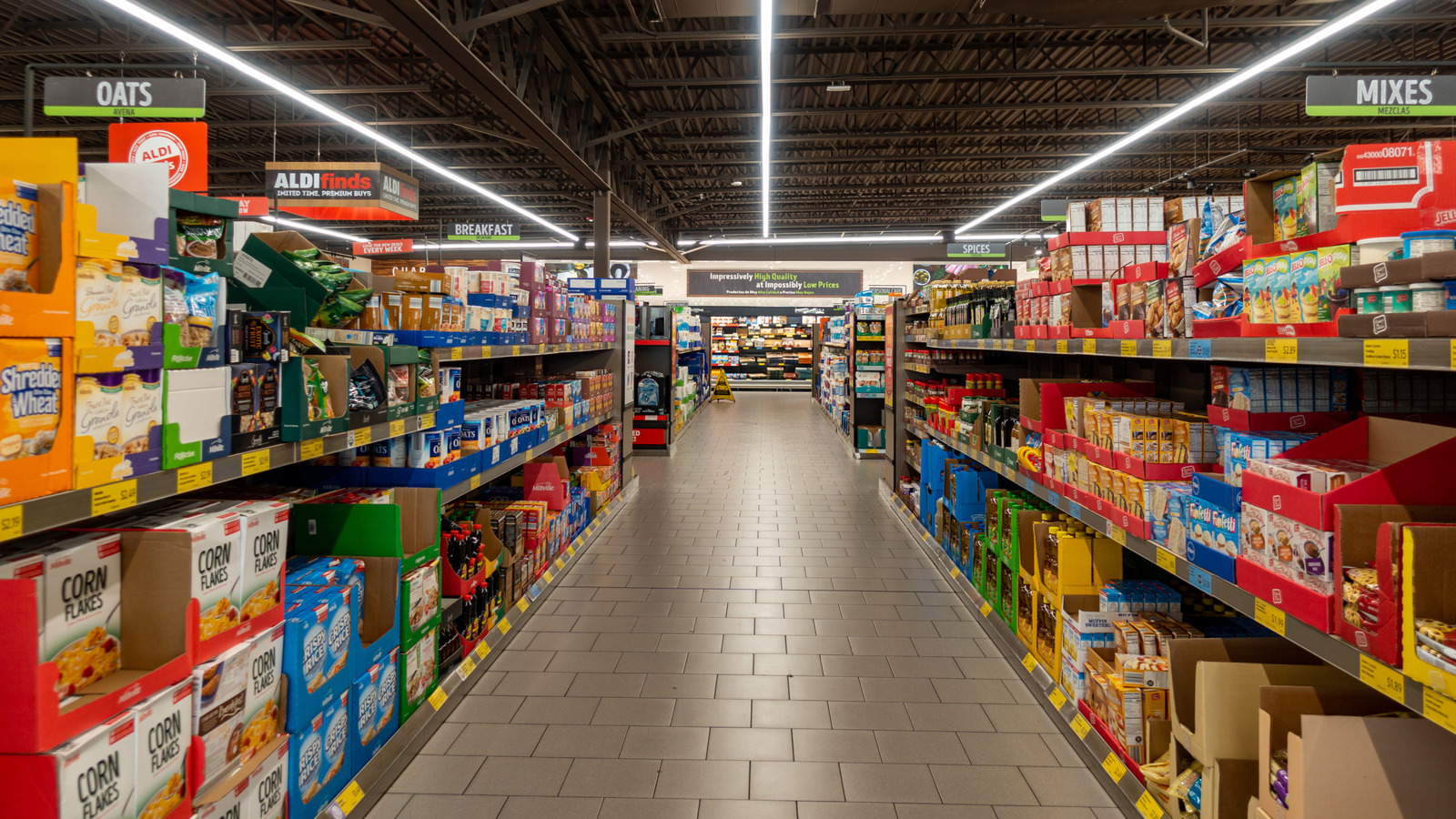
Retailer-owned products not being seen as a cheap alternative anymore, but instead, a way to convey luxury and exclusivity. Price-Led Positioning is No Longer Dominating UK Supermarkets. Small UK businesses are aggressively growing, with price-led positioning becoming a dated trend. It's becoming evident that brands are no longer using their own branded products as a way to be a cheap alternative.
For years, car dealerships had a terrible reputation. Pushy sales tactics, confusing pricing, and long hours spent negotiating made the entire experience feel more like a battle than a purchase. Like many buyers, I assumed that avoiding dealerships altogether was the smartest way to buy a car, especially as online platforms and direct-to-consumer models gained popularity. Over time, however, my perspective began to shift.
"Ironically, many if not most of these 'sustainability' projects remain disassociated from companies' core procurement strategies, meaning the coffee produced from these projects is not necessarily bought by the companies involved, or only in minimal quantities," the paper states. "And for the coffee that is purchased, prices do not factor into the project design, despite the fact that price is the single variable impacting farmer income that is in the direct control of companies."
That's a problem. Without a doubt, a great website and top-level marketing will help generate new sales, but it's the delivery experience that warrants future ones. This is because today's consumer not only has options for where they'll buy but also a high set of expectations. What's more, they remember the way a product arrives at their doorstep more than how it was sold.
This is silly, but a particular lifestyle seemingly comes with it for anyone who drives a Mercedes. You might feel like you are taking on the responsibility of trying to show you are living a "rich" lifestyle, even if that isn't why you bought the car. Ultimately, this kind of pressure isn't for everyone and isn't guaranteed to happen, but many Mercedes owners complain about it after purchase.
We are now in a time of manufacturing where precision is more than a technical necessity; it's a business requirement. The more complex, globally dispersed and demanding things get, the less slack remains in the system. Under these circumstances tolerance management has become a decisive competence and affects competitiveness not only in terms of controlling costs, ensuring quality and improving production efficiency but also for long term market success.
Performance has always been the foundation of commerce media because it tied spend to measurable behavior. From sponsored search to sponsored products, the category scaled by delivering outcomes that could be directly attributed to transactions. Automation, AI-driven optimization and closed-loop measurement accelerated that model and made outcomes-based buying the norm. Outcomes still matter. But as AI reduces friction and increases competition, outcomes alone no longer create separation.
To find the typical example, just observe an average stand-up meeting. The ones who talk more get all the attention. In her article, software engineer Priyanka Jain tells the story of two colleagues assigned the same task. One posted updates, asked questions, and collaborated loudly. The other stayed silent and shipped clean code. Both delivered. Yet only one was praised as a "great team player."
End-of-line packaging often sits at the quiet end of a production line, yet it carries an outsized responsibility. This is the final checkpoint before products leave your facility, meet customers, and represent your brand in the real world. A single error here can undo hours of upstream efficiency and compromise overall product integrity. That's why building reliability into this stage is essential for both operational efficiency and customer satisfaction.
Statistics from the 2025 holiday shopping season clearly show that AI is playing a huge role in how people shop. But new research from retail payment platform Adyen found that many consumers are ready for AI to become their personal shopper. Just over half-51%-said they're open to letting AI take over the entire shopping process, including making final purchases. Millennials are the most willing to let agents do their shopping, with nearly three in five saying they are ready for such a shift.
This year has been volatile for brands. With tariffs taking effect, the job market slowing, and consumer spending barely keeping pace with inflation, it's no surprise that ad spend has slowed in tandem. Amidst economic uncertainty and an onslaught of unanswered questions, brands are increasingly looking for demonstrable ROI in their marketing and design budgets. Some may choose to invest in a costly new campaign or commit to a new brand identity, while others will default to slashing their budgets altogether.
As UK businesses enter 2026, many small and medium-sized enterprises are taking time to review the systems that support their day-to-day operations. Staffing, compliance, budgeting and customer experience are often top of the agenda, particularly for companies operating in competitive or regulated sectors. One area that is frequently overlooked, however, is workwear. Despite being a daily necessity for many teams, workwear is rarely treated as a strategic consideration. Yet the right work uniform can directly influence professionalism, safety, staff confidence and onboarding speed.
Discounting has been part of retail's toolkit for decades, and it can be effective, especially during high-stakes shopping seasons. But as promotions become more frequent across the industry, companies are taking a closer look at the downside: Short-term sales gains don't always come with long-term loyalty or durable margins, and customers remember how a brand made them feel far more than what they saved at checkout.