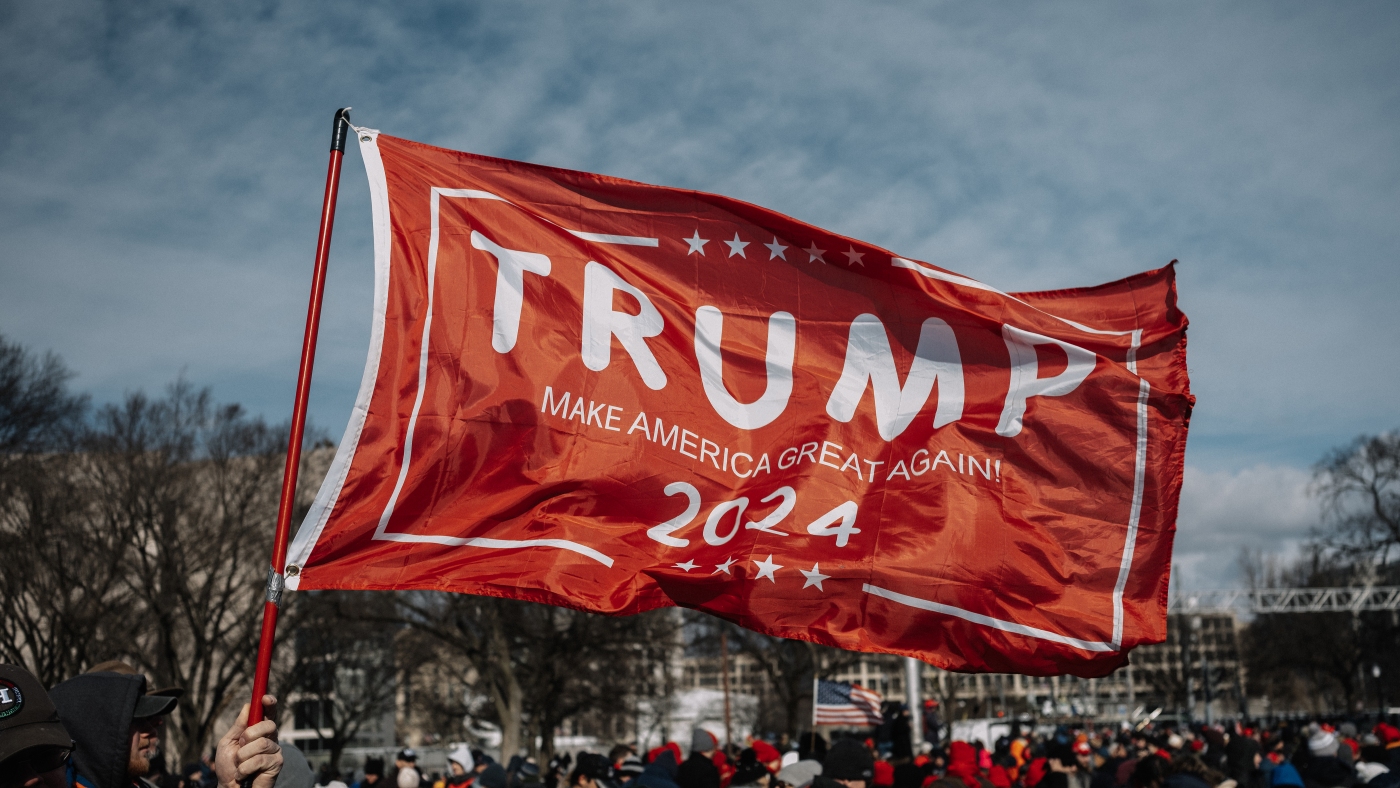
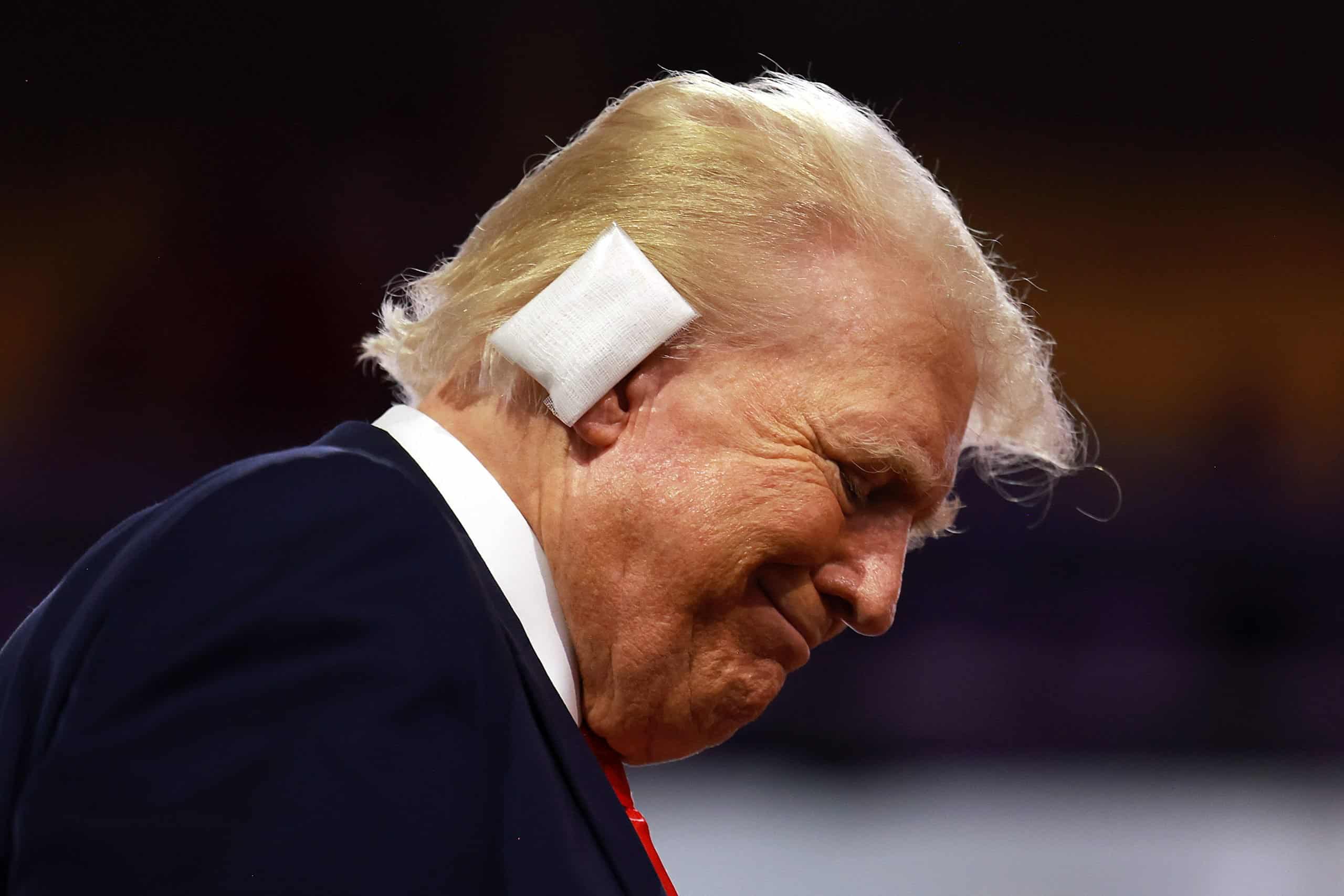
Trump stated that the war has been a military success and he expects U.S. forces to leave the country in a few weeks, emphasizing the need for allies to reopen the Strait of Hormuz for oil access.
As the Framers of the Constitution and the Fourteenth Amendment comprehended, representatives serve all residents, not just those eligible or registered to vote. Such a change would likely lead to a transfer of political influence away from urban areas that are younger and more racially diverse, and toward rural areas that are older and whiter.
In perhaps a vain attempt to prove themselves moderate, the Democratic lawmakers helped override Democratic Gov. Roy Cooper's vetoes. Voters responded with the kind of ballot-box fury that should serve as a lesson to other incumbents. It wasn't just a case that the incumbents lost. They were buried, with several of them getting trounced by margins of 40 points or more.
Starting next month, the cost of renouncing your U.S. citizenship will go down dramatically - a boon for people already shouldering the burden of paying for a major overseas move. Anyone wishing to formally shed their American citizenship is required to obtain a form called a Certificate of Loss of Nationality, and right now it comes with a whopping $2,350 fee. In April, that fee will drop by 80% to $450.
The death of Renee Nicole Good, a 37-year-old mother and U.S. citizen who was shot and killed by an Immigration and Customs Enforcement agent in Minneapolis on Wednesday, has the potential to shake the political landscape in ways reminiscent of George Floyd's killing in 2020. The Trump administration initially claimed Good weaponized her vehicle in an act of domestic terrorism, an account that appears to be contradicted by video evidence.
Researchers at the University of Cambridge's Political Psychology Lab tracked shifts in Americans' views across nearly four decades and found that divisions were broadly stable through the 1990s and early 2000s, before rising steadily from 2008 onward. Using more than 35,000 responses from the American National Election Studies between 1988 and 2024, they estimate that issue polarization has increased 64% since the late 1980s, with almost all of that change occurring after 2008.