DOT's rules brought those establishments under the umbrella of the city's "long-term" and "short-term" concession regulations. The short-term concessions allow outdoor vendors to operate a max of 29 days out of the year. The long-term concession takes about a year to get set up. That would appear to leave restaurateurs on a handful of open streets shit-out-of-luck, including the so-called Dimes Square on Canal Street, which had planned to operate for 183 days this year.
At the very moment the city is committing to safer, more ambitious street transformations on major corridors, allowing motor vehicles back onto streets within public parks moves in the opposite direction,
A major decision facing Mayor-elect Mamdani will be to select a new Department of Transportation Commissioner. The scope of the assignment is vast as is its impact. Transportation is an issue confronted by every New Yorker, every day - and we are all experts. Every Mayor since Mike Bloomberg has been engaged in the mission to reimagine how we move people to reduce our dependence on private cars and to focus instead on public transit, bikes and walking, and under Mayor de Blasio, a similar effort began to reimagine how we move freight - both to and within the city - to reduce our embarrassing over-dependence on large trucks and instead to use our original highways, the waterways, as well as rail and small, environmentally friendly vehicles.
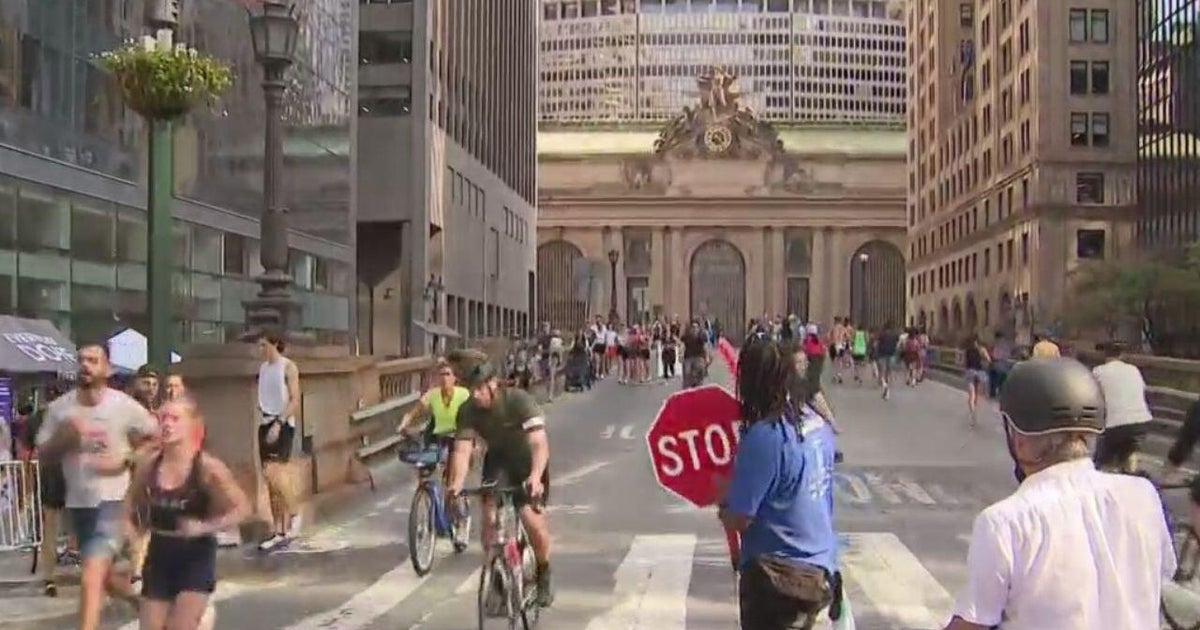
A group of local disability advocates is making headway on a lawsuit against the City of New York that claims the city's Open Streets program violates the Americans with Disabilities Act (ADA). Federal Judge Eric Komitee will hear oral arguments on Thursday from the plaintiffs, many of whom are members of the ADA-advocacy group Access for All, and the defendants, including the NYC Department of Transportation (DOT) and other third-party groups.
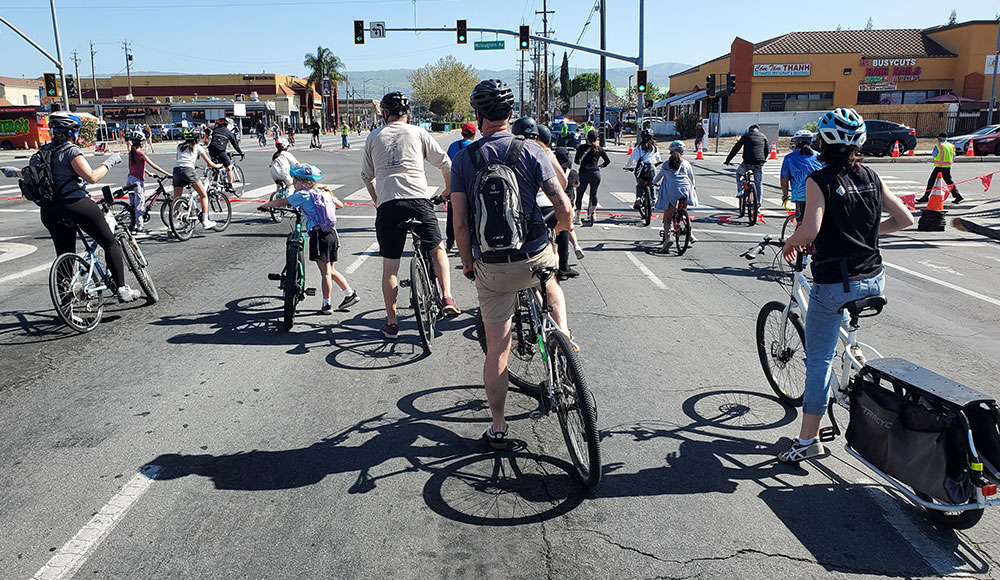
Last fall, Philadelphia's Center City District (CCD) launched Open Streets: West Walnut on a series of Sundays. One Sunday at a time, the program showed off Center City's innate vibrancy when it catered to people and not cars. CCD provided some light programming, such as musical acts and dance performances, as well as more casual DIY programming, such as corn hole and ping pong, and a few seating pods.