#oil-price-surge
#oil-price-surge
[ follow ]
#middle-east-conflict


World news
from24/7 Wall St.
2 months agoStock Market Live March 3, 2026: S&P 500 (SPY) Down Big on Iran War Fears
Major stock indices decline sharply amid escalating Middle East tensions, with oil rising on Iranian conflict fears and potential Strait of Hormuz disruptions threatening economic stability.
World news
fromLondon Business News | Londonlovesbusiness.com
2 months agoOil Prices Surge as Attacks Impact Global Supply - London Business News | Londonlovesbusiness.com
Brent crude oil surged 7% above $114 per barrel following Iranian missile strikes on Qatar's Ras Laffan LNG facility, escalating Middle East tensions and threatening global energy supply stability.
World news
from24/7 Wall St.
2 months agoStock Market Live March 3, 2026: S&P 500 (SPY) Down Big on Iran War Fears
Major stock indices decline sharply amid escalating Middle East tensions, with oil rising on Iranian conflict fears and potential Strait of Hormuz disruptions threatening economic stability.






fromFortune
2 months agoOil prices hit nearly $110 as Iran vows to escalate the war in 'new ways' | Fortune
Brent crude spiked more than 5% to almost $110 a barrel on Wednesday after Israel struck the world's largest natural gas reserve in a coordinated operation with the United States. The attack marks the first time Iran's upstream oil and gas infrastructure, as opposed to those in the gulf, has been targeted since the war began on Feb. 28.
World news
World news
fromLondon Business News | Londonlovesbusiness.com
2 months agoCrude oil remains elevated as supply risks turn into actual disruptions - London Business News | Londonlovesbusiness.com
Oil prices have surged 40-50% since late February due to actual Middle East supply disruptions, with Brent at USD 103.6 and WTI near USD 95, as Iran's attacks on production facilities materialize real supply losses rather than anticipated risks.
#strait-of-hormuz-blockade


World news
fromFortune
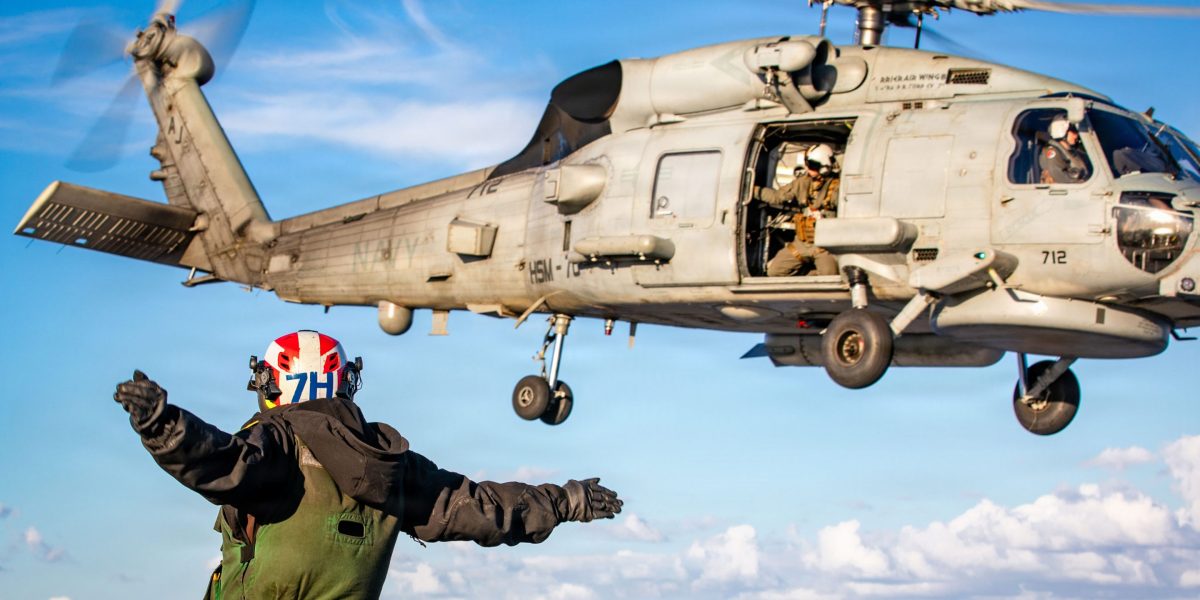
2 months agoOil climbs as Iran seizes Hormuz gatekeeper role while Trump eyes risky naval option to reopen strait that may require boots on the ground | Fortune
Iran controls Strait of Hormuz passage, allowing selective transit while maintaining de facto blockade that has driven oil prices above $100 per barrel and prompted U.S. military coalition efforts.
fromwww.aljazeera.com
2 months agoJapan begins release of oil reserves as Iran war sparks energy crisis
Japan has begun releasing oil from its emergency reserves amid the global energy crisis sparked by the effective closure of the Strait of Hormuz by Iran in response to US-Israeli attacks. The release was announced on Monday in a notice published in the Japanese government's official gazette.
World news
fromBitcoin Magazine
2 months agoBitcoin Price Reclaims $73,000, Outperforming Gold And Stocks
Bitcoin price rising about 8% since the first strikes against Iran, reaching a one-month high above $73,000. The move placed the digital asset ahead of several traditional safe-haven and risk assets during a period of geopolitical stress.
Cryptocurrency
from24/7 Wall St.
2 months ago4 ETFs That Are Worth Buying For $100 Oil
Oil futures touched $100 per barrel this week as Iran's new Supreme Leader Mojtaba Khamenei vowed to keep the Strait of Hormuz closed, the waterway through which a fifth of the world's oil and liquefied natural gas transits. The International Energy Agency called the conflict the biggest-ever disruption to oil supply, and Iran's security chief has stated the war won't end soon.
Business
fromLondon Business News | Londonlovesbusiness.com
2 months agoIs the oil shock reshaping risk dynamics on Wall Street? - London Business News | Londonlovesbusiness.com
The sharp decline witnessed in U.S. equity markets signals an important shift in global market sentiment, after the Dow Jones Industrial Average lost more than 700 points to close below the 47,000 level for the first time in 2026. At the same time, both the S&P 500 and Nasdaq Composite also fell to their lowest levels this year.
US politics
from24/7 Wall St.
2 months agoDespite VIX Spikes and $100 Oil, Traders Are Surprisingly Bullish on SPY Right Now
Oil WTI crude climbed from $71 a barrel on March 2 to $94.65 by March 9 in a single week, after the Strait of Hormuz was effectively closed and Iranian energy infrastructure was struck. Brent briefly touched elevated intraday highs before pulling back when Trump signaled the conflict was winding down.
Business intelligence
US news
fromFortune
2 months agoExxon, Chevron, and other US oil and gas producers and refiners hit all-time-high stock values amid Iran war while consumers pay the price | Fortune
American oil companies and energy producers are profiting significantly from global oil price spikes to $100 per barrel, with stock prices up 30% and major winners across production, LNG exports, and refining sectors.
World news
fromwww.theguardian.com
2 months agoMiddle East war creating largest supply disruption in the history of oil markets'
Iran's blockade of the Strait of Hormuz creates the largest oil supply disruption in history, exceeding previous crises, prompting the IEA to authorize record emergency reserve releases.
World news
fromLondon Business News | Londonlovesbusiness.com
2 months agoOil hits more than $100 a barrel - London Business News | Londonlovesbusiness.com
Oil prices surged past $100 per barrel due to Iran conflict concerns, with Brent Crude reaching $101.30 despite government efforts to release strategic reserves and stabilize markets.
fromConde Nast Traveler
2 months agoWhy International Flight Tickets Could Get More Expensive Soon
According to the International Air Transport Association (IATA), the global average price of jet fuel jumped 58.4% week-on-week to $157.41 a barrel, far above the $88 average the industry had expected for 2026.
Travel
fromBusiness Matters
2 months agoBank of England may raise interest rates as oil shock from Middle East war drives inflation fears
Financial markets are pricing in roughly a 70 per cent chance that the Bank of England will increase interest rates by a quarter percentage point before the end of the year, a stark reversal from expectations only a fortnight ago when traders anticipated multiple rate cuts.
UK news
World news
fromwww.theguardian.com
2 months agoWhy has the Iran war sparked fears of stagflation for the global economy?
Oil prices surged above $115 per barrel amid US-Israel conflict with Iran, triggering global stock market sell-offs and stagflation concerns as supply disruptions threaten economic growth while inflation rises.
World news
fromLondon Business News | Londonlovesbusiness.com
2 months agoOil hits $108 as Middle East war sparks global supply panic - London Business News | Londonlovesbusiness.com
Oil prices surged past $100 per barrel due to Iran tensions and Strait of Hormuz blockade, prompting G7 emergency response and strategic reserve coordination.
#iran-conflict


World news
fromwww.npr.org
2 months agoOil prices surge and stocks fall amid fears over Iran war
Global crude oil prices surged 8% and stocks fell as the Iran conflict disrupts energy markets, with Brent crude in the high $70s and potential for $100+ prices if disruptions persist or infrastructure is destroyed.
World politics
fromwww.aljazeera.com
2 months agoIran war threatens prolonged impact on energy markets as oil prices rise
A US-Israeli conflict with Iran has suspended one-fifth of global crude oil and natural gas supply, causing oil prices to surge over 25 percent and threatening prolonged fuel price increases worldwide.
#strait-of-hormuz-disruption
World news
fromwww.theguardian.com
2 months agoOil prices could breach $100 a barrel within days' amid supply disruption from Iran war
Oil prices could exceed $100 per barrel within days and reach $150 by month-end if crude flows through the Strait of Hormuz remain severely disrupted following US-Israeli military action against Iran.
#strait-of-hormuz-closure

World news
fromwww.theguardian.com
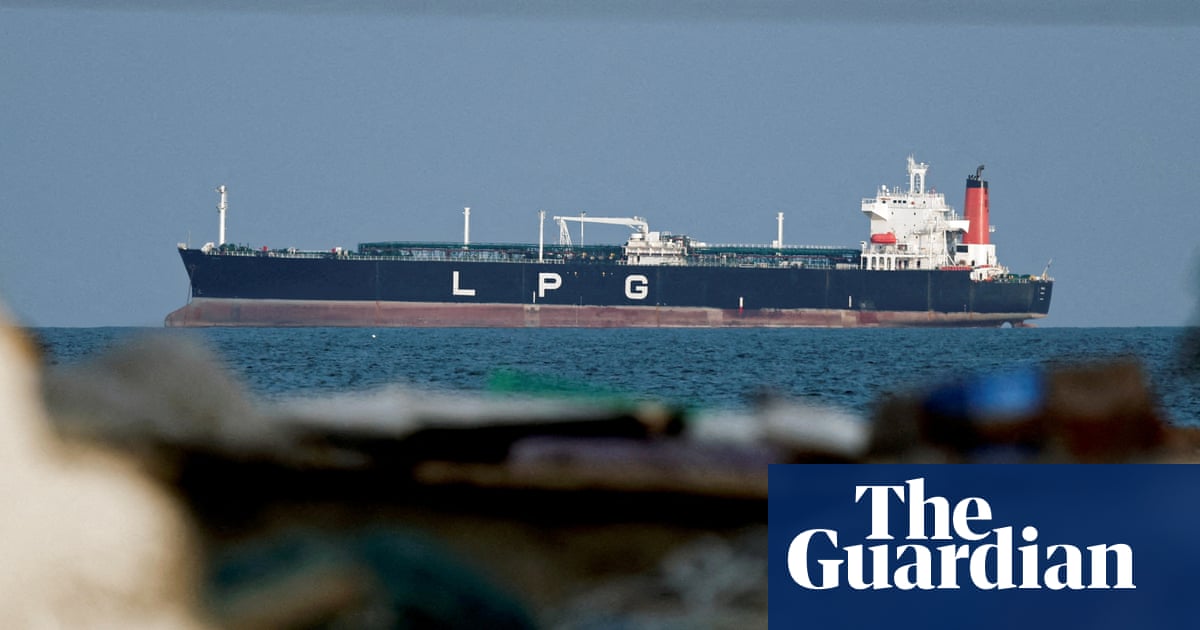
2 months agoChina calls for vessels in strait of Hormuz to be protected amid soaring shipping costs
The Strait of Hormuz closure due to Iran-Israel conflict disrupts global energy supplies, with China and India facing significant oil import disruptions and shipping rates soaring.
World news
fromwww.theguardian.com
2 months agoChina calls for vessels in strait of Hormuz to be protected amid soaring shipping costs
The Strait of Hormuz closure due to Iran-Israel conflict disrupts global energy supplies, with China and India facing significant oil import disruptions and shipping rates soaring.
[ Load more ]