#nazi-germany
#nazi-germany
[ follow ]
#world-war-ii #history #holocaust #journalism #adolf-hitler #science #fascism #soviet-union #eastern-front #propaganda


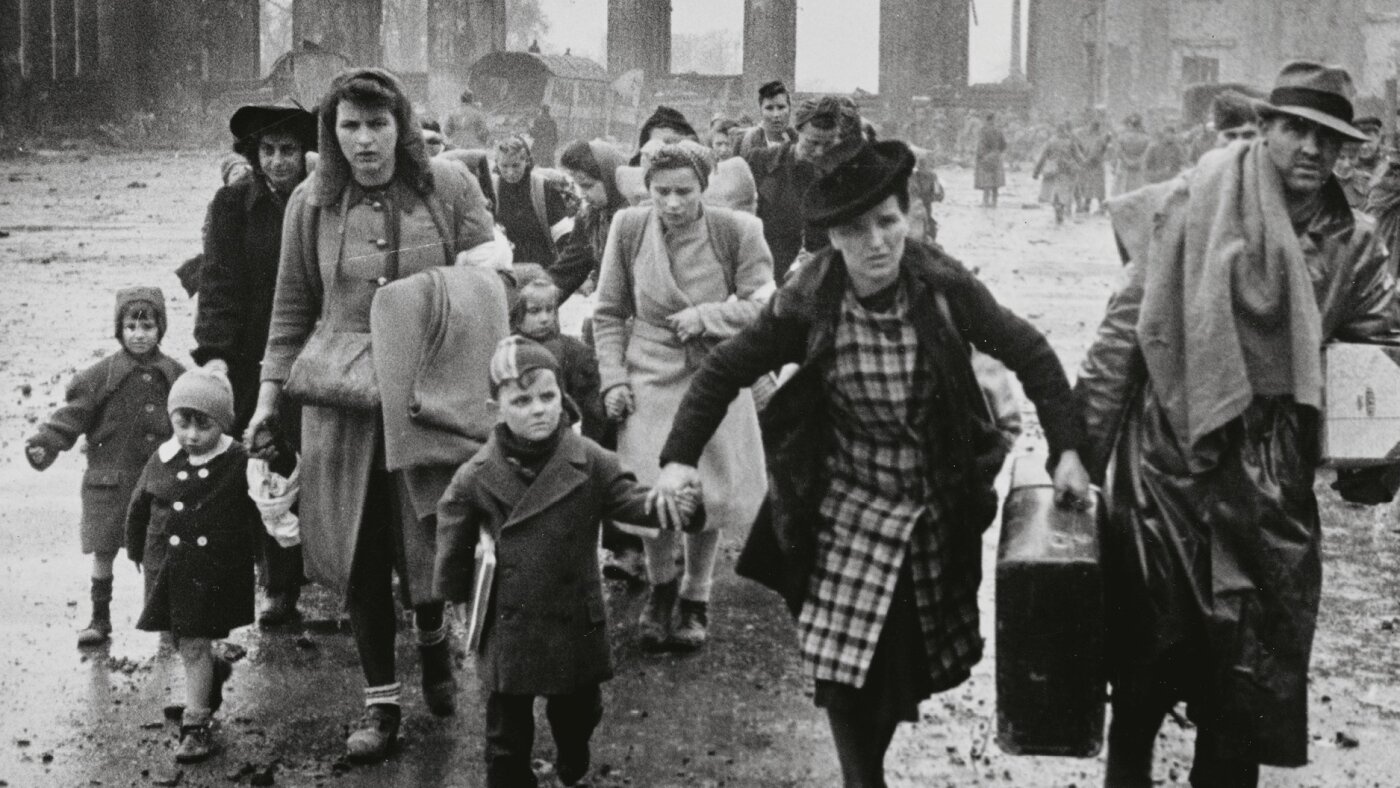

fromBig Think
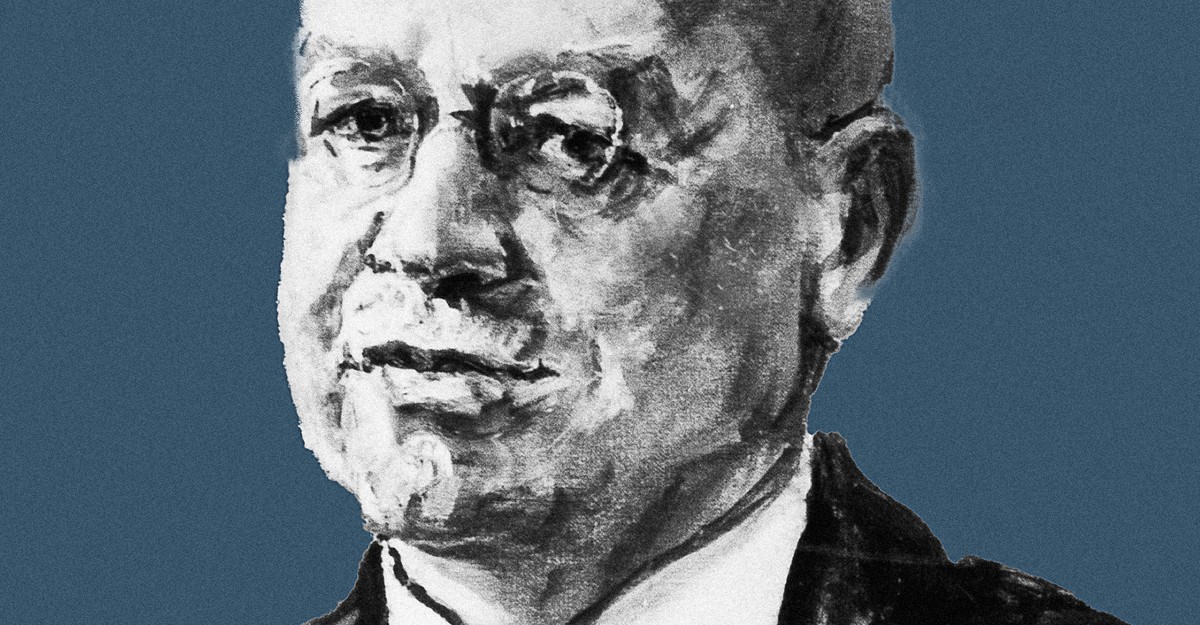
2 months agoHow the U.S. Constitution protects liberty from the powerful's dark impulses
The real Führer is always a judge. Out of Führerdom flows judgeship. One who wants to separate the two from each other or puts them in opposition to each other would have the judge be either the leader of the opposition or the tool of the opposition and is trying to unhinge the state with the help of the judiciary.
History
fromOpen Culture
3 months agoHannah Arendt Explains How Propaganda Uses Lies to Erode All Truth & Morality: Insights from The Origins of Totalitarianism
At least when I was in grade school, we learned the very basics of how the Third Reich came to power in the early 1930s. Paramilitary gangs terrorizing the opposition, the incompetence and opportunism of German conservatives, the Reichstag Fire. And we learned about the critical importance of propaganda, the deliberate misinforming of the public in order to sway opinions en masse and achieve popular support (or at least the appearance of it).
Online learning
fromThe Nation
3 months agoThe Strange Story of the Famed Anti-Fascist Lament "First They Came..."
In the dire months since Donald Trump's return to power, you've no doubt read a version of the famous mea culpa "First They Came"-perhaps woven into the lines of an essay or op-ed, perhaps thumbed out on social media. Part warning, part exhortation, the short text (it's often mistaken for a poem) comes to us as tragically earned wisdom from the rise of the Nazis, alas grimly relevant to the America of today.
History
fromwww.dw.com
5 months agoProsecuting Nazis at the Nuremberg Trials DW 11/20/2025
"I hereby indict the following persons for crimes against peace, war crimes and crimes against humanity: Hermann Wilhelm Goring. Rudolf Hess. Joachim von Ribbentrop..." Courtroom 600 in Nuremberg's Palace of Justice was filled to capacity as Chief Prosecutor Robert H. Jackson read out a list of names, one after the other. His list was long. The Major War Crimes Trial against 24 high-ranking representatives of the Nazi state began on November 20, 1945, in Nuremberg.
History
History
fromenglish.elpais.com
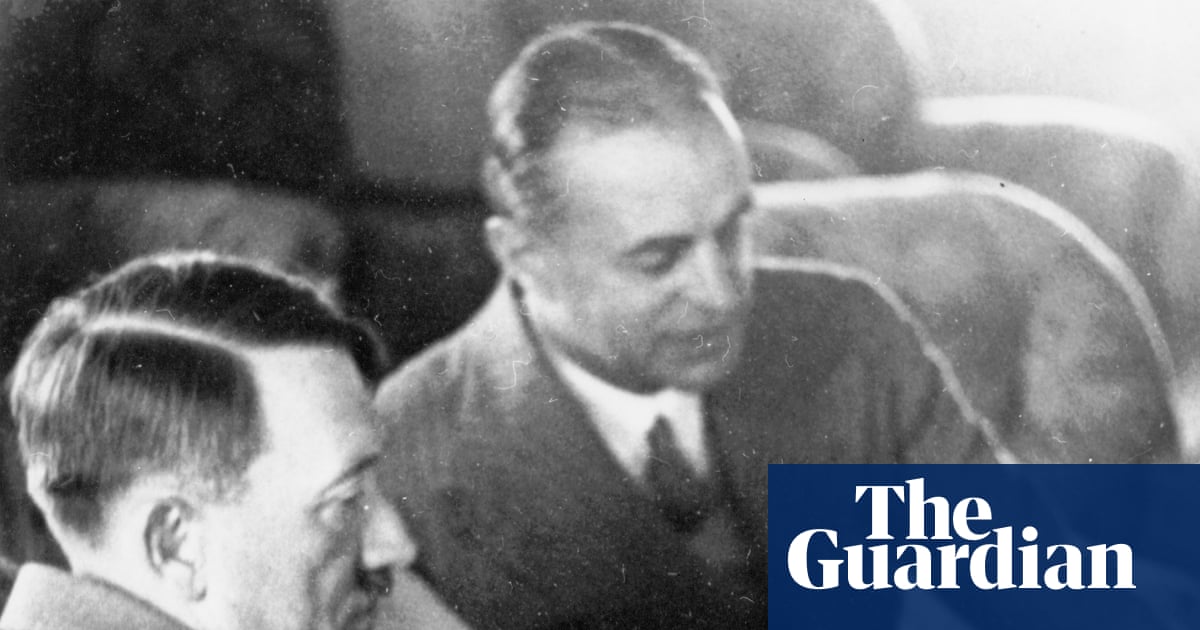
7 months agoWhat they don't usually tell you about Hitler: He was chronically idle and hated cats
Hitler's personality combined mediocrity, chronic idleness, borderline mental health, and average intelligence, yet he rose to absolute power and drove the world toward atrocity.
Arts
fromwww.theguardian.com
11 months agoThe Jewish dealer who bought art hated by the Nazis and created one of the greatest collections ever seen
Heinz Berggruen's transition from a persecuted journalist to a prominent art dealer illustrates the transformative power of art amidst political oppression.
fromAbove the Law
11 months agoPersecuting Foreign-Born Scientists Will Guarantee America Falls Behind Economically And Militarily - Above the Law
One key factor in the U.S. victory in the atomic bomb race was its ability to attract foreign scientists, particularly Jewish ones fleeing Nazi Germany.
US news
[ Load more ]