#mental health
#mental health
[ follow ]
#mental-health #lgbtq #self-care #social-media #workplace-stress #homelessness #depression #burnout #parenting
#mental-health


Wellness
fromNonprofit Quarterly | Civic News. Empowering Nonprofits. Advancing Justice.
1 day agoWholeness Is No Trifling Matter | Nonprofit Quarterly | Civic News. Empowering Nonprofits. Advancing Justice.
Wellness requires truth, active change, and rest as a requirement for vision, not a reward or passive absence of pain.
Television
fromConsequence
1 day agoJudith Light on How The Terror: Devil in Silver Tells a Mental Health Story Through Horror: Podcast
A horror anthology uses supernatural terror to confront homelessness, mental health, and systemic neglect in American healthcare.
Judith Light portrays a long-abandoned psychiatric patient, finding compelling humanity in a role that barely seems human.
The production emphasizes collaboration, prosthetics, and ensemble support to fully disappear into character.
fromPsychology Today
2 days agoThe Health Risks of Permanent Daylight Saving Time
Permanent daylight saving time would keep clocks from changing twice each year, but it would also move one hour of morning daylight into the evening. Morning sunlight is among the most powerful biological signals we have for anchoring the body clock, while evening light does not provide the same biological benefit. That shift can disrupt circadian rhythms that regulate mood and sleep, undermining the very public health goal of reducing harm from clock changes.
Health

#burnout

UK politics
fromwww.theguardian.com
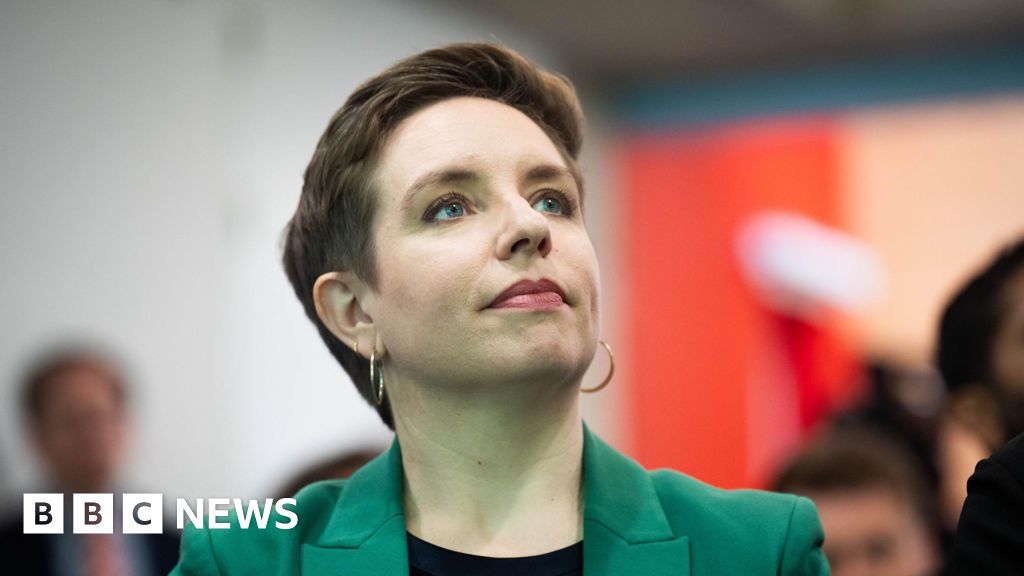
3 days agoThe curse of burnout Britain affects politicians as much as everyone else: give Carla Denyer a break | Gaby Hinsliff
Burnout can stem from sustained responsibility and moral injury, and calls for open discussion can trigger backlash from people who also lack the ability to rest.
fromPsychology Today
4 days agoThe Healing Power of Poetry
Poetry therapy is often used nowadays in mental health settings for healing and growth. Patients read and write poetry to find new ways of being mindful or relaxed. Poetry can point to the work they can do on themselves. Poetry can open them to new ways of coping. A poem can lead safely into realms of the unconscious that might be frightening ordinarily. Poems open the imagination to see alternatives to the status quo or to chronic suffering. In fact, every poem takes us into a parallel universe.
Writing
fromABC7 Chicago
4 days agoBehavior of teen in mosque shooting led police to seize family guns a year before attack
Officers who conducted a welfare check at the home of Caleb Vazquez wrote that he was "involved in suspicious behavior idolizing nazis and mass shooters," and obtained a court order on Jan. 29, 2025, to remove 26 guns under a 2014 California law allowing the confiscation of firearms from people considered dangerous.
SF parents
Law
fromwww.amny.com
6 days agoUnrestrained? New York's highest court weighs whether lawyers can use special petition to get the incarcerated out of shackles in hospitals
NYPD officers shackled a mentally ill incarcerated man to a hospital bed for 26 days against physician orders, and New York’s highest court weighs habeas corpus availability to challenge extreme physical restraints.
London startup
fromBusiness Matters
1 week agoBrad Burton interview: how the UK's no.1 motivational speaker rebuilt after lockdown wiped out 4Networking, and survived a four-year online stalking campaign
A business founder lost millions and faced online harassment, nearly ending his life, then rebuilt while demanding platform accountability and better protections.
Public health
fromFast Company
1 week agoThe U.S. still doesn't have a surgeon general - so RFK Jr. just stepped in with a controversial warning about kids and screens
A public health advisory warns that excessive, hard-to-control screen use harms children’s mental and physical health, urging coordinated reductions in screen time.

Public health
fromwww.scientificamerican.com
1 week agoScreen time limits can protect children's health, U.S. surgeon general advisory says
Excessive screen time harms children’s physical health, mental health, academic performance, and social development, prompting guidance to limit screens and use targeted interventions.
Humor
fromPortland Mercury
1 week agoParalyzed By Hope: The Maria Bamford Story Is Judd Apatow's Attempt To Make a Beloved Comedian More Famous - Portland Mercury
A documentary follows Maria Bamford’s life and comedy, using Judd Apatow’s framing to broaden her fame and present her story through a curated, affectionate lens.
fromBrooklynVegan
1 week agoSnag sign to Deathwish, announce new LP, share "Debilitated"
Milwaukee trio Snag's 2023 split with Coma Regalia was a screamo release we loved that year, and they've now signed to Deathwish and announced a new album, All The Cages Holding Us Will One Day Turn to Dust, due out July 10. They worked on it with engineer Nick Elert, and guitarist and vocalist Samm Szymborski says, "Musically, the album is punishing at moments; fast and heavy but also soft and beautiful. We wanted to write something that spans all things musically that we are interested in. We wanted to write an album that goes straight to the point and represents Snag as a whole."
Music
Women
fromenglish.elpais.com
1 week agoLena Dunham, the millennial icon who changed the way the body and sex are portrayed
Girls premiered in 2012 and used millennial realism to address privilege, body positivity, sexuality, and friendship while Lena Dunham’s personal struggles shaped her public identity.
fromwww.theguardian.com
1 week agoGarance review Adele Exarchopoulos gives it her all in ripe but flimsy portrait of alcohol addiction
Exarchopoulos has her moments in this film from Jeanne Herry, in which she plays an actor struggling with a drinking problem. The scenes in which we see her up on stage, boisterously performing in a touring theatre for schoolkids, are genuinely great. But really this is a very glib and unsatisfying drama, whose essential naivety becomes apparent when the lead character is forced to confront the crisis in her life.
Film
Books
fromIndependent
1 week ago'We knew we wanted to write a book that involved a lot of bad men and experiences we'd had' - Aisling authors Emer McLysaght and Sarah Breen
Working together on a first post-series novel brings pressure, friendship endurance, and mental health considerations into the writing process.
Startup companies
fromFortune
1 week ago'You're not a hero, you're a liability': Shark Tank's Kevin O'Leary warns Gen Z founders to stop glorifying hustle culture | Fortune
Working 18-hour days harms founders; sleep, nutrition, and exercise optimize performance while focusing on AI opportunities can drive success.
[ Load more ]