Europe politics
fromwww.thelocal.fr
1 month agoOPINION: Orban's demise is a blow for French far right, but not a fatal one
Hungary's rejection of Orban signals potential decline of nationalist populism in Europe.
Dozens of messages contained in the latest tranche of Epstein files lay bare the attempts by Donald Trump's former chief strategist Steve Bannon to tap Jeffrey Epstein for support and funding to bolster European far-right parties. The messages mostly date to 2018 and 2019, when Bannon, after being sacked by Trump, regularly visited Europe in his quest to forge a movement in the European parliament uniting ultra-rightwing and Eurosceptic forces from several countries including Italy, Germany, France, Hungary, Poland, Sweden and Austria.
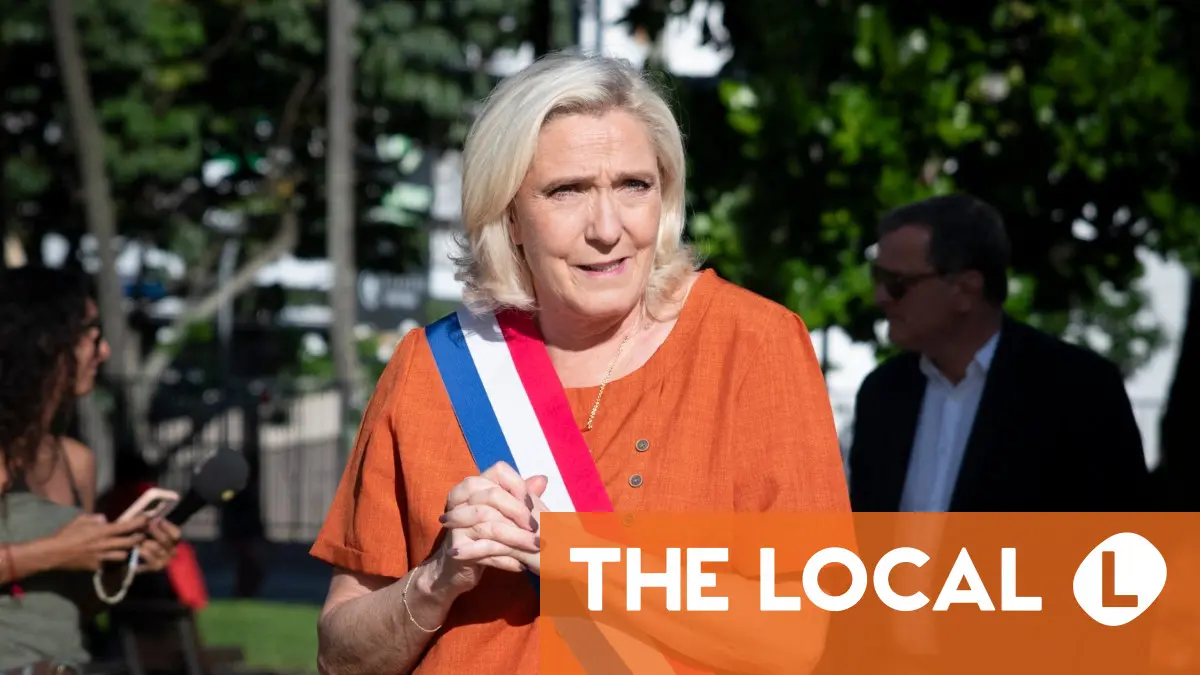
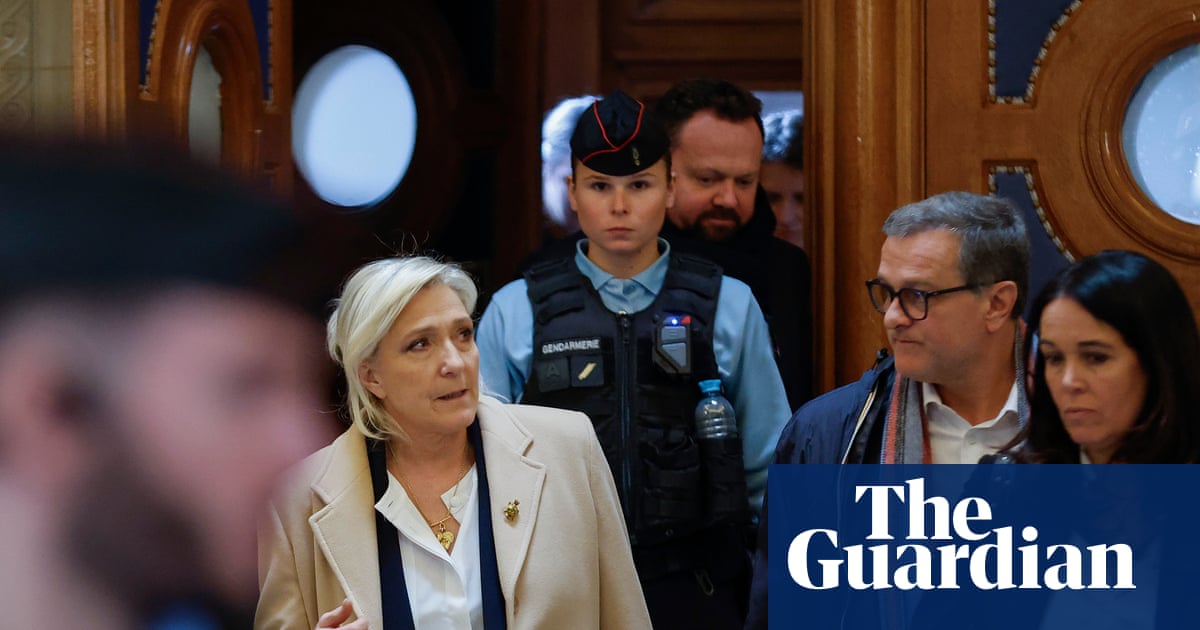
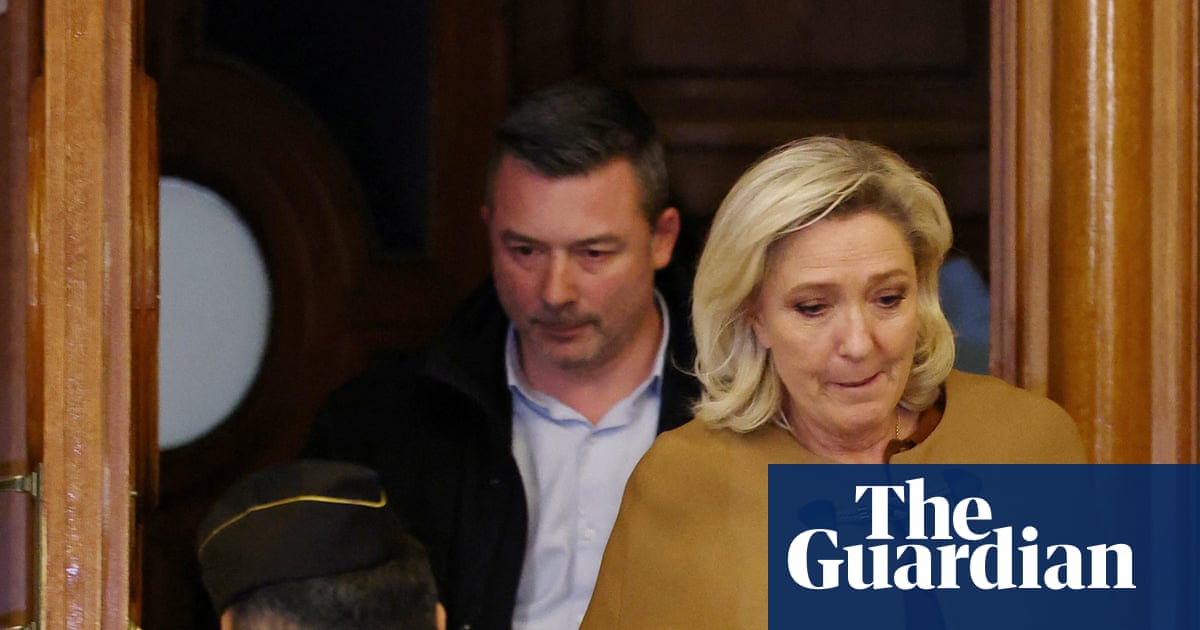
The prosecution also sought a four-year prison term with three years suspended and a €100,000 ($118,000) fine for the figurehead leader of the National Rally (RN) party, which has been riding high in the opinion polls. Le Pen had hoped her appeal against her ban over a fake jobs scam at the European parliament -- an accusation the 57-year-old has denied -- would clear the way for her to run in the election after Emmanuel Macron stands down.
A French magistrate says she was contacted by high-ranking American officials who asked her to intervene in Marine Le Pen's appeal case against her conviction for embezzlement. Magali Lafourcade, Secretary General of France's independent human rights institution the Commission nationale consultative des droits de l'homme (CDCDH), told AFP she was approached a few months ago by State Department adviser Samuel Samson and Christopher Anderson, a diplomat from the Bureau of Democracy, Human Rights and Labor.
Marine Le Pen calls judge's decision 'political' after election ban Marine Le Pen is currently banned from standing for public office for five years following her conviction in March for embezzling European parliament funds. The ban, which includes a 'provisional execution' measure, means it applies regardless of her ongoing appeal process.
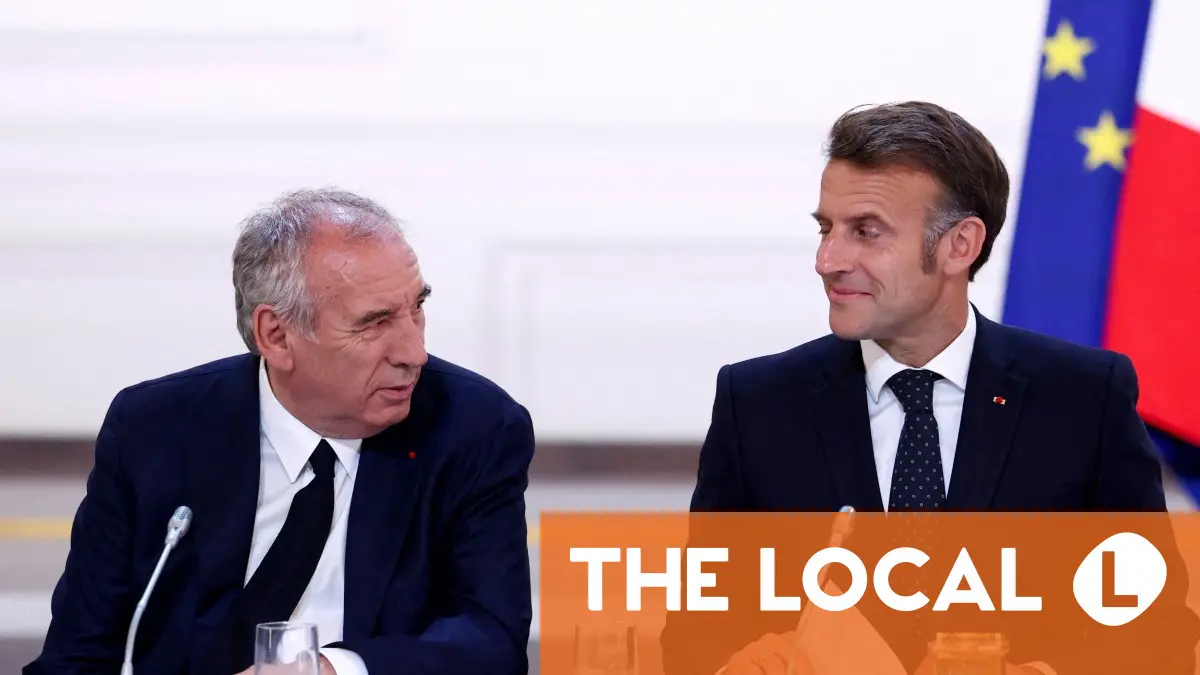
The fresh face of pro-EU liberalism swept to power the following year on a promise of radical change to bring France into the 21st century. Eight years on, with France engulfed by political crisis and with no obvious way to break the gridlock, Macron's lofty ambitions have aged poorly. Francois Bayrou, who entered politics before the president was born, has become the third prime minister to resign in the space of a year.