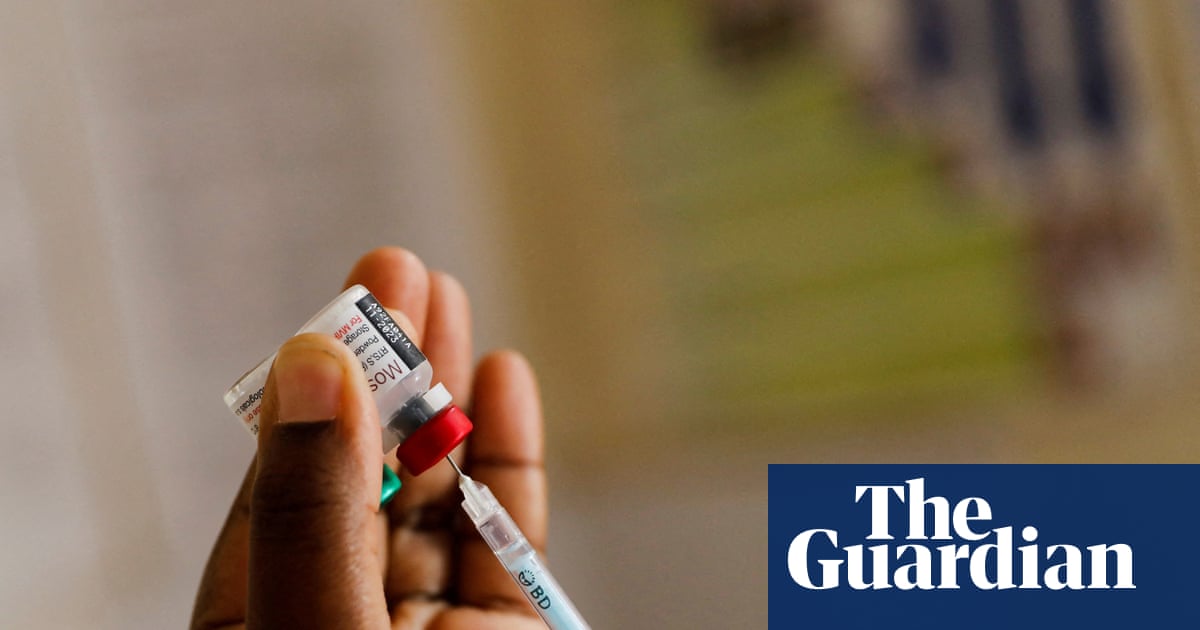
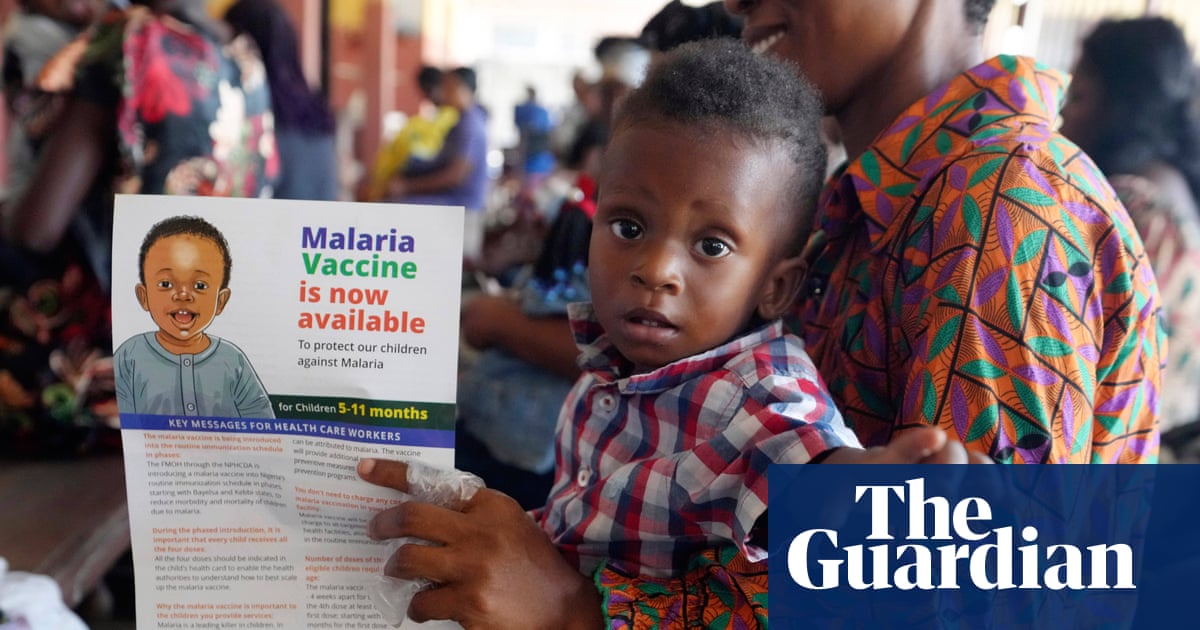
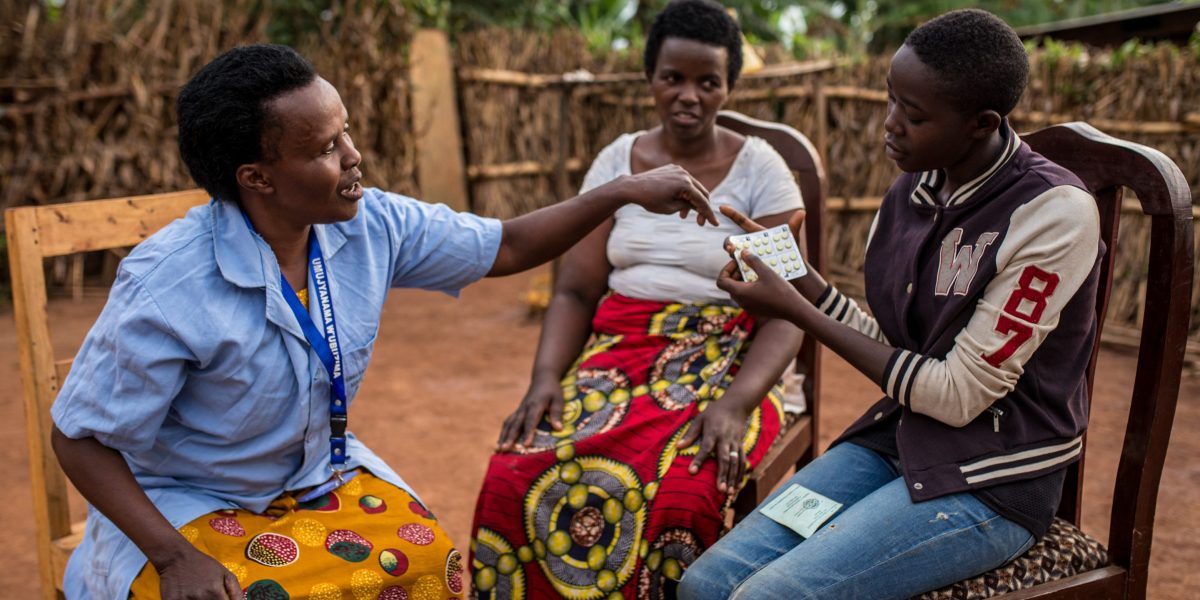
From Africa to Latin America to Asia, babies have been carried in cloth wraps on their mothers' backs for centuries. Now, the practice of generations of women could become a lifesaving tool in the fight against malaria. Researchers in Uganda have found that treating wraps with the insect repellent permethrin cut rates of malaria in the infants carried in them by two-thirds.
Fever ravaged the body of 5-year-old Suza Kenyaba as she sweated and shivered on a thin mattress in a two-room clinic in the Democratic Republic of Congo. The pigtailed girl who liked pretty dresses was battling malaria and desperately needed medication that could save her life. That medication, already purchased by a U.S.-taxpayer-funded program, was tantalizingly close - a little more than seven miles away.
Understanding the interactions between RIFIN proteins and immune receptors is crucial for developing strategies to combat malaria, particularly in regions heavily affected by the disease.
Historically, blackwater fever was seen among European expatriates who took small doses of quinine as an antimalarial, and became less common when other drugs took over.