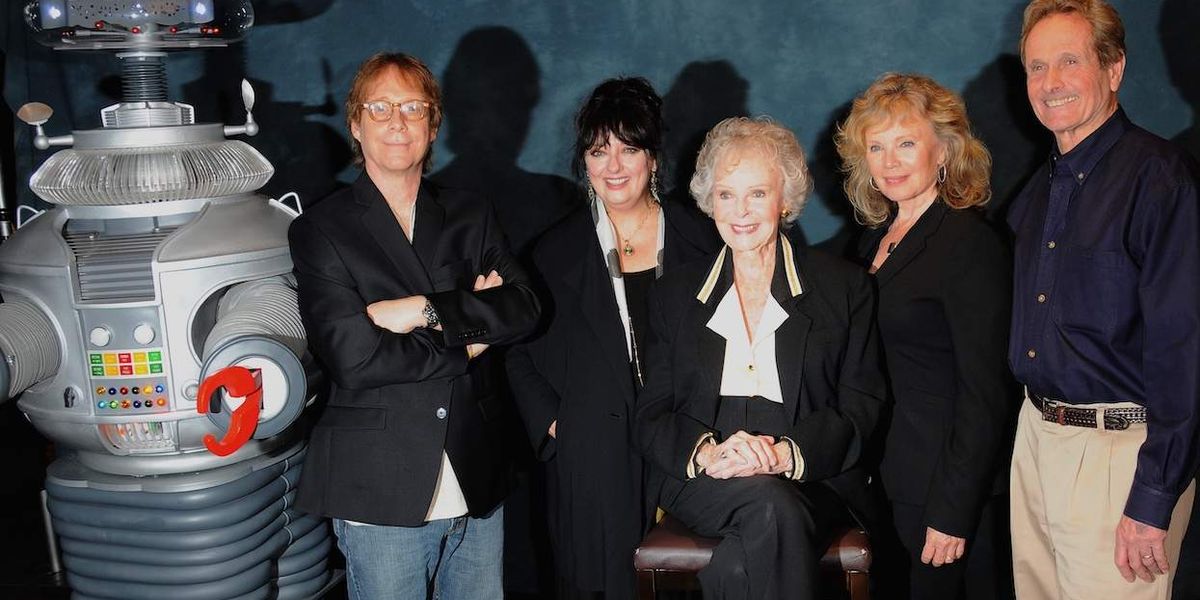
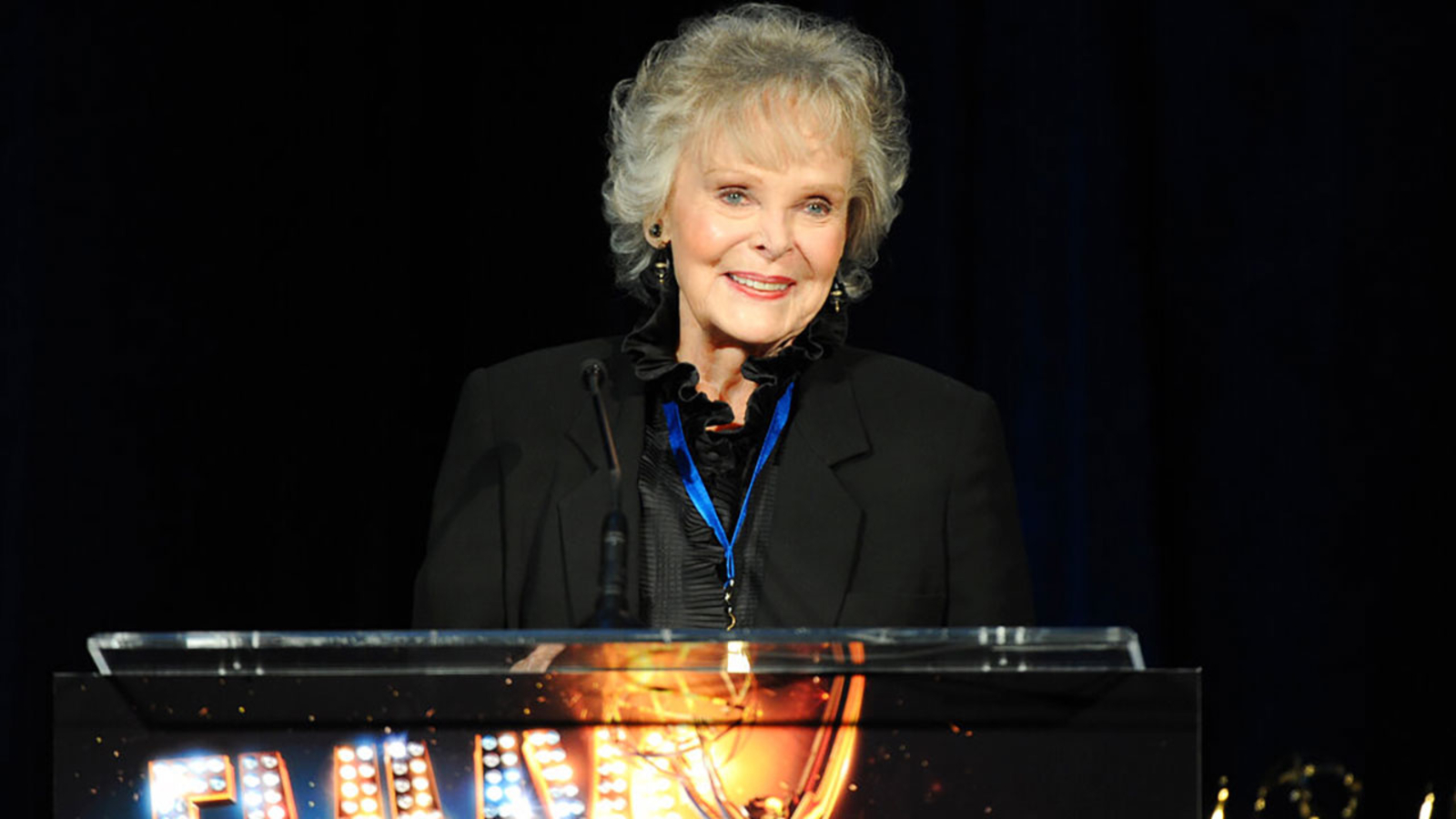
Televisionfromwww.theguardian.com6 months agoJune Lockhart obituaryJune Lockhart became a television star known for Lassie and Lost in Space after early film roles, sustaining a popular career and dying aged 100.
fromwww.independent.co.uk6 months agoUS politicsJune Lockhart death: Lassie and Lost in Space star dies aged 100
fromwww.theguardian.com6 months agoTelevisionActor June Lockhart of Lost in Space and Lassie fame dies aged 100
fromwww.independent.co.uk6 months agoUS politicsJune Lockhart death: Lassie and Lost in Space star dies aged 100
fromwww.theguardian.com6 months agoTelevisionActor June Lockhart of Lost in Space and Lassie fame dies aged 100
fromAdvocate.com6 months agoTelevisionIn 1970, 'America's Mom' June Lockhart bravely spoke out defending 'homosexuals' when others wouldn't
fromABC7 Los Angeles6 months agoTelevisionJune Lockhart, beloved mother figure from 'Lassie' and 'Lost In Space,' dies at 100 in Santa Monica
fromwww.mercurynews.com6 months agoTelevisionJune Lockhart, beloved mother figure from Lassie' and Lost In Space,' dies at 100
fromwww.npr.org6 months agoArtsJune Lockhart, beloved mother figure from 'Lassie' and 'Lost In Space,' dies at 100
fromAdvocate.com6 months agoTelevisionIn 1970, 'America's Mom' June Lockhart bravely spoke out defending 'homosexuals' when others wouldn't
fromABC7 Los Angeles6 months agoTelevisionJune Lockhart, beloved mother figure from 'Lassie' and 'Lost In Space,' dies at 100 in Santa Monica
fromwww.mercurynews.com6 months agoTelevisionJune Lockhart, beloved mother figure from Lassie' and Lost In Space,' dies at 100
fromwww.npr.org6 months agoArtsJune Lockhart, beloved mother figure from 'Lassie' and 'Lost In Space,' dies at 100
fromGameSpot9 months agoLost In Space 4K Limited Edition Preorder Gets Big Price Cut At AmazonThe new 4K Blu-ray edition of Lost in Space features a restoration from the original camera negative, showcasing advanced HDR and audio technology.Film
fromGameSpot9 months ago'90s Sci-Fi Film Lost In Space Getting A Special Edition 4K Blu-RayThe 1998 movie Lost in Space, directed by Stephen Hopkins, is receiving a Special Edition 4K Blu-ray release from Arrow Video, pre-ordering now for $38 ahead of September 2.Film
NYC musicfromNew York Post11 months agoSinger-songwriter Aimee Mann on 'Lost in Space' tour, new musicalAimee Mann is touring the East Coast to celebrate the anniversary of her album 'Lost In Space'.