#landing-platform
#landing-platform
[ follow ]
#nasa #space-exploration #artemis-ii #spacex #blue-origin #moon-mission #new-glenn #astronauts #lunar-exploration



Startup companies
fromTechCrunch
2 days agoFrom the Startup Battlefield stage to the International Space Station: geCKo Materials built a sticky product | TechCrunch
Navigating legal processes is crucial for deep tech startups to successfully transition from laboratory breakthroughs to scalable businesses.


fromArchDaily
2 days agoZGF Architects Nears Completion of Los Angeles Air and Space Center Housing Space Shuttle Endeavour
The new Samuel Oschin Air and Space Center, designed by ZGF Architects, is a 200,000-square-foot addition that will nearly double the Science Center's educational exhibit space.
Science
#artemis-2

Science
fromenglish.elpais.com
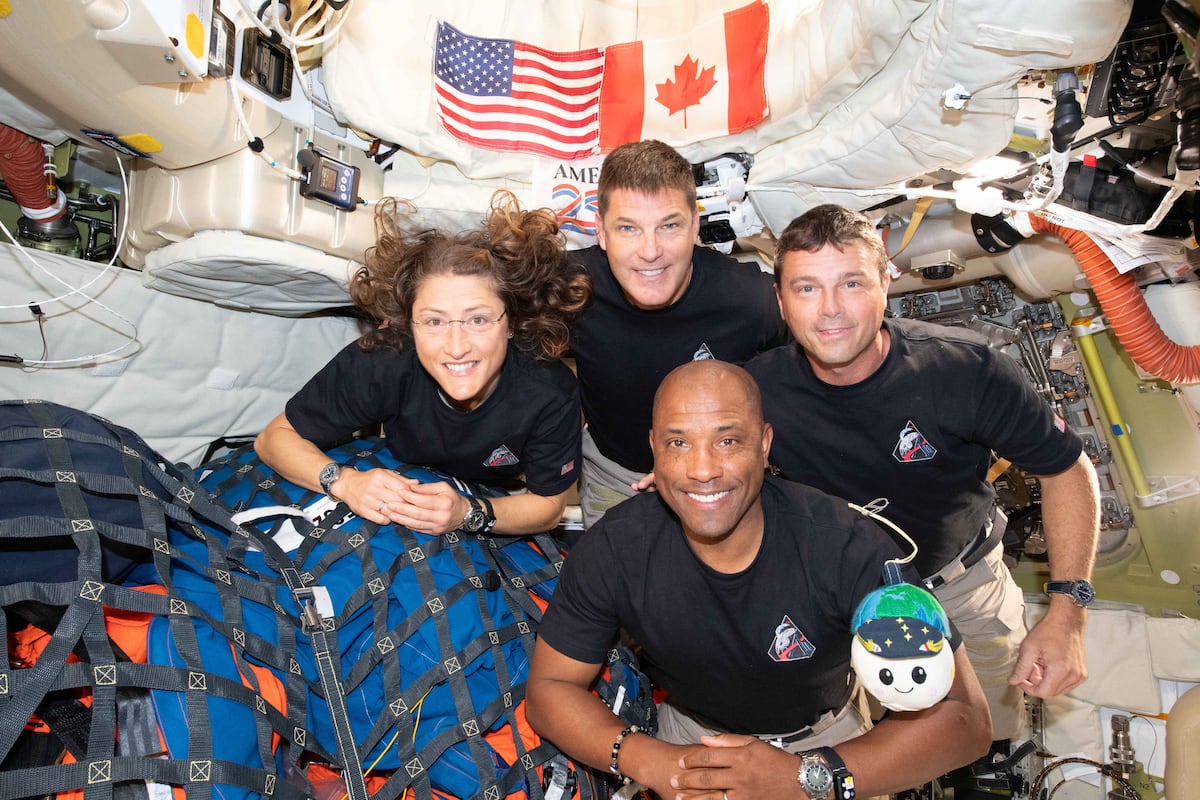
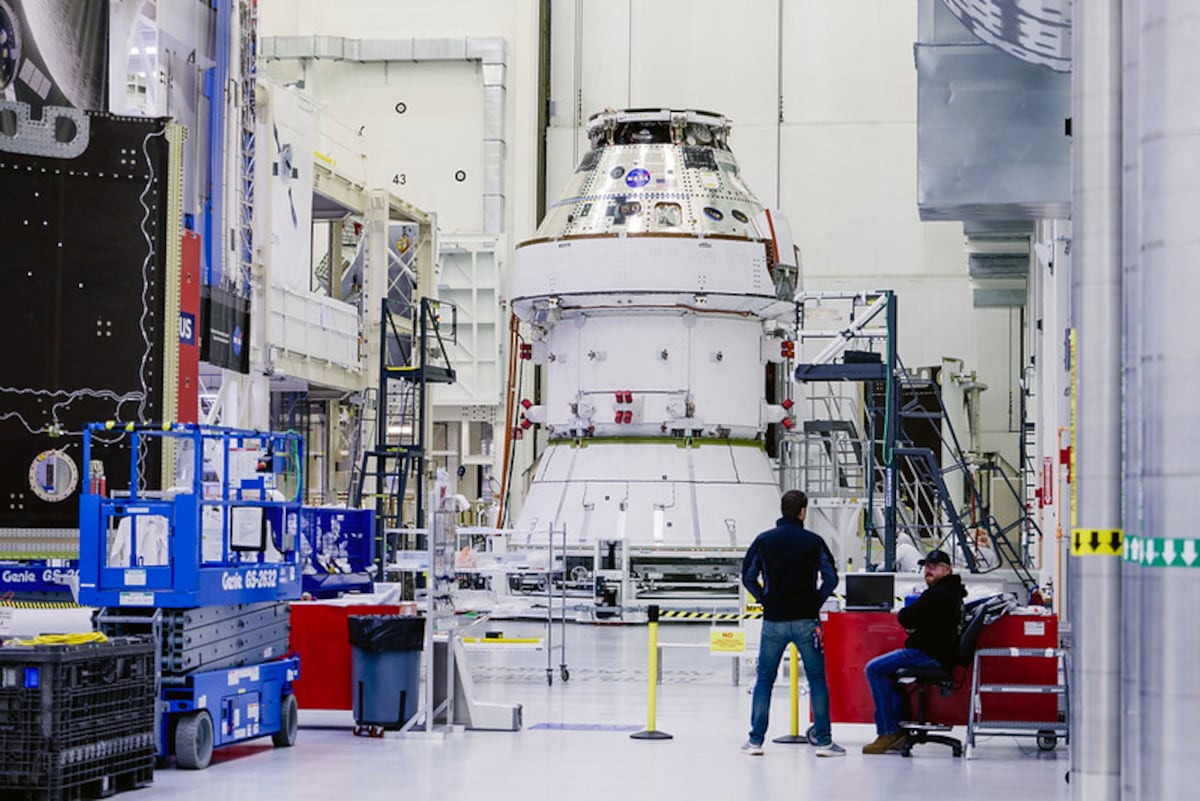
5 days agoCuriosities of Artemis 2: An astronaut plushie, a Wikipedia editor in space, and nods to covert advertising
The Artemis 2 mission marks a significant return to the Moon, showcasing milestones like increased female representation in STEM and unique social media moments.
fromTechzine Global
2 months agoIs the future of compute space-based?
Could IT infrastructure, and even the rise of AI, eventually migrate beyond the atmosphere? Amazon founder Jeff Bezos predicted in October that gigawatt-scale, solar-powered data centers would be a reality within 10 to 20 years. At the World Economic Forum in Davos this week, Elon Musk was even more ambitious: AI data centers in the "final frontier" could be viable within two to three years. Google also plans to deploy its TPU chips in orbit via Project Suncatcher.
Artificial intelligence
from24/7 Wall St.
2 months agoThe Space Infrastructure Builder Stumbles While the Launch Provider Burns Through Cash Faster
Redwire focuses on space infrastructure and autonomous systems. The company completed its Edge Autonomy acquisition and reported 50.7% year-over-year revenue growth. Management maintained full-year guidance of $320 to $340 million, and the book-to-bill ratio of 1.25 suggests demand is holding. But the business is bleeding cash with a net loss of $41.2 million in Q3, nearly double the $21 million loss from the prior year. Gross margin sits at just 16.3%, leaving almost no room for error.
Startup companies
Science
fromArs Technica
2 months agoULA's Vulcan rocket suffers another booster problem on the way to orbit
Northrop Grumman-built GEM 63XL solid boosters suffered manufacturing-related nozzle insulator failures that reduced thrust, yet Vulcan successfully placed military satellites into geosynchronous orbit.
fromArs Technica
2 months agoRocket Report: Say cheerio to Orbex; China is getting good at booster landings
"You absolutely have to have a plan to compete with SpaceX on price." Welcome to Edition 8.29 of the Rocket Report! We have a stuffed report this week with news from across the launch spectrum. Long-term, probably the most significant development this week was a subscale version of the Long March 10 rocket successfully launching and then executing a picture-perfect ocean landing. China is catching up rapidly to the United States when it comes to reusable launch.
Science
fromArs Technica
2 months agoSpaceX takes down Dragon crew arm, giving Starship a leg up in Florida
Pad 40 has been the primary Falcon 9 launch site for most of the rocket's history, while Pad 39A provided a location for crew launches and an augmentation to support SpaceX's growing launch cadence. But there are signs the Falcon 9 launch cadence, which reached 165 missions last year, may be peaking as the company turns its attention to Starship. And SpaceX has steadily reduced the time it takes to reconfigure Pad 40 between launches, cutting the turnaround time to less than 48 hours.
Science
fromArs Technica
2 months agoDo you have ideas about how to improve America's space program?
Entrants will be required to write three- to five-page white papers that explain their idea and how they would shape markets and strengthen the space economy or national security. Papers are due by June 30, and judging will be complete by August 15. As an additional incentive, the best ideas will be briefed to relevant policymakers, including key members of Congress, NASA Administrator Jared Isaacman, and Saltzman, of the Space Force.
Science
[ Load more ]