The reform of immigration courts is one of the measures that has been undertaken by the Trump administration to expedite deportations, which are not occurring at the pace the U.S. president desires. In addition to instructing judges to close asylum cases without a trial, he has sought to replace judges he deemed too favorable to migrants with military lawyers. In recent months, the Republican has dismissed approximately 140 immigration judges and, in their place, hired 36 military lawyers to perform their duties.
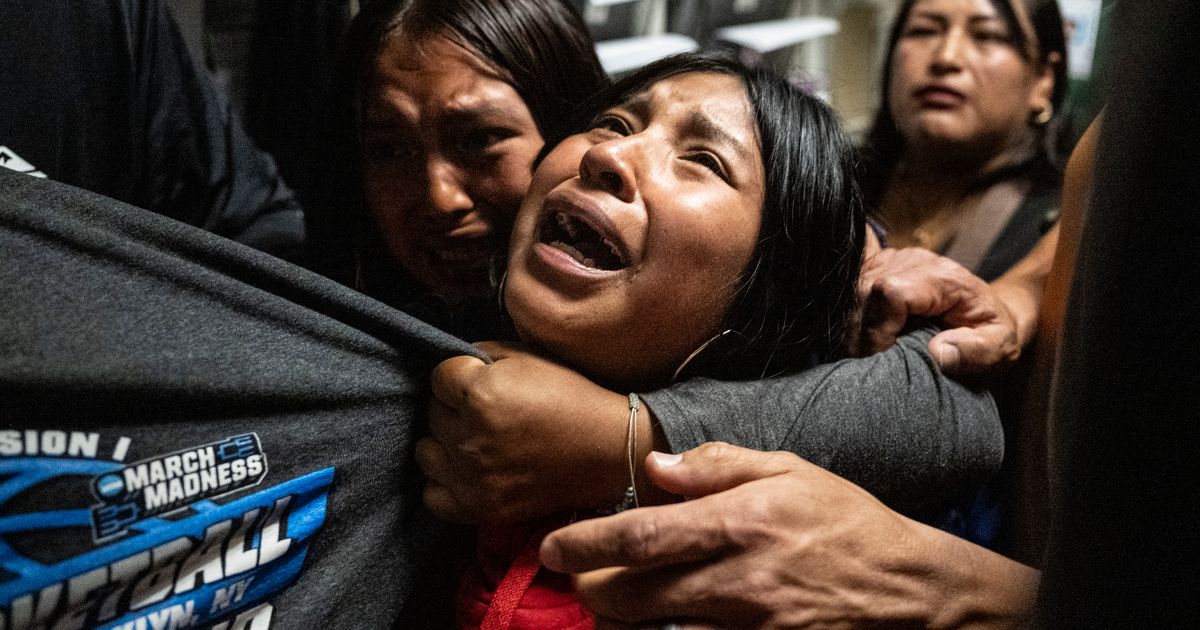
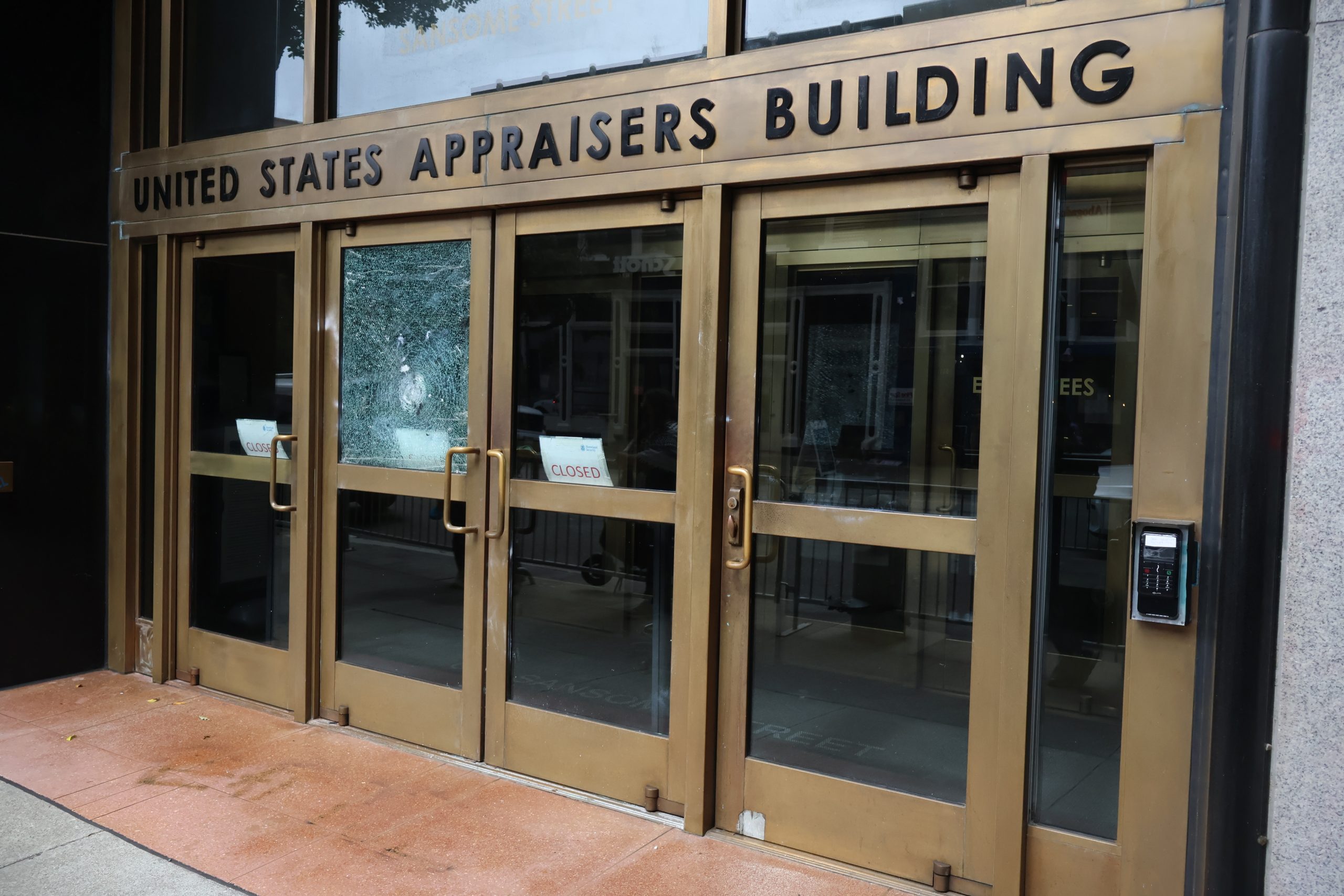
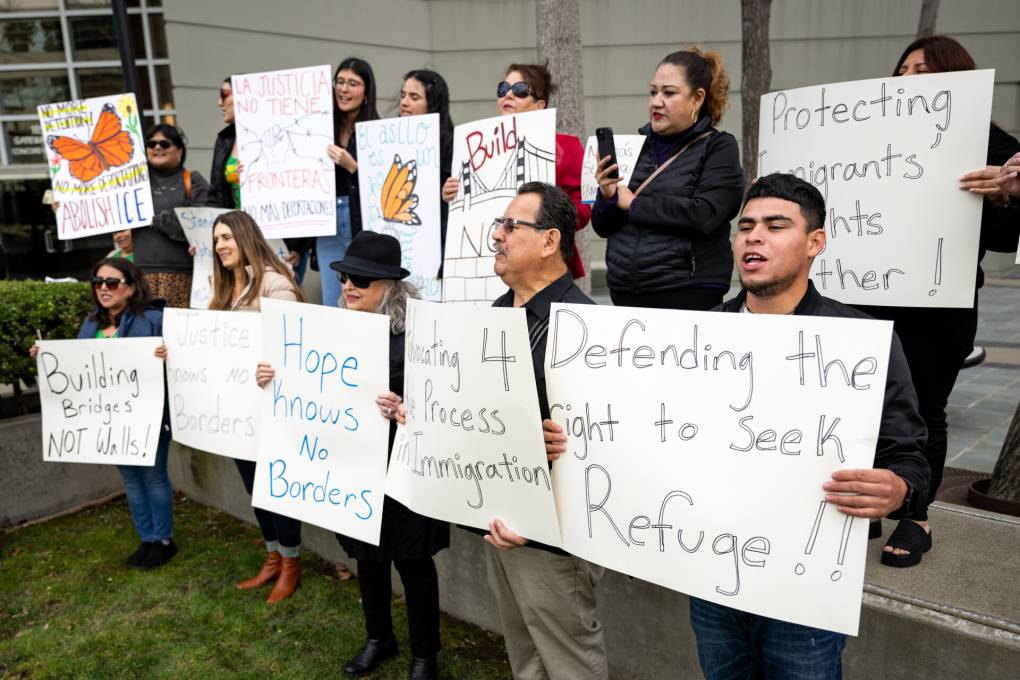
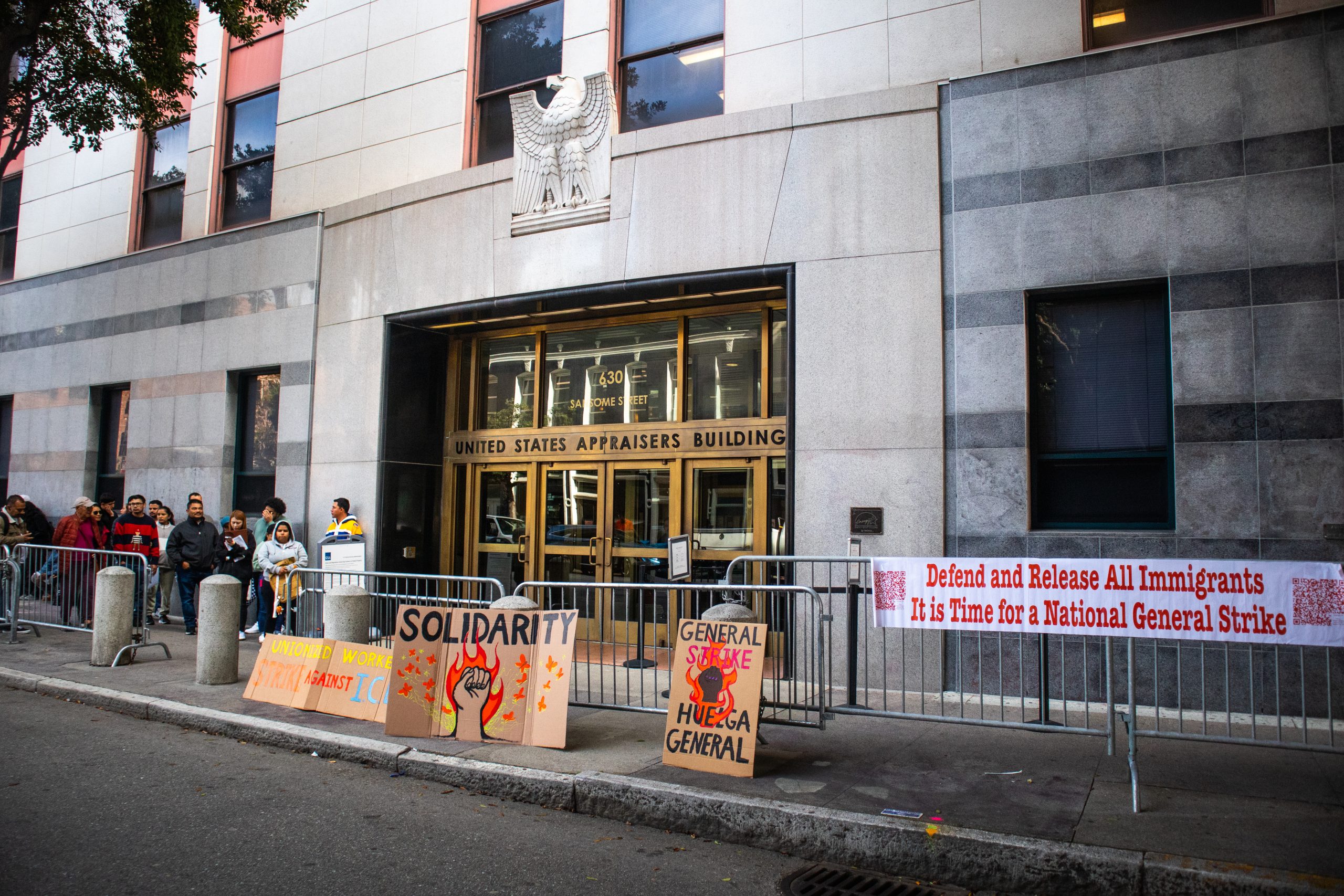
"The harm that's being committed in these buildings when people are being taken from their families and then put into concentration camps far outweighs any concerns to any harm that may come from standing here today in solidarity with people who are just simply trying to live their lives in this country in freedom and dignity," said Rabbi Cat Zavis. "Our faith traditions and our spiritual traditions call us to disrupt injustice and stand with them."
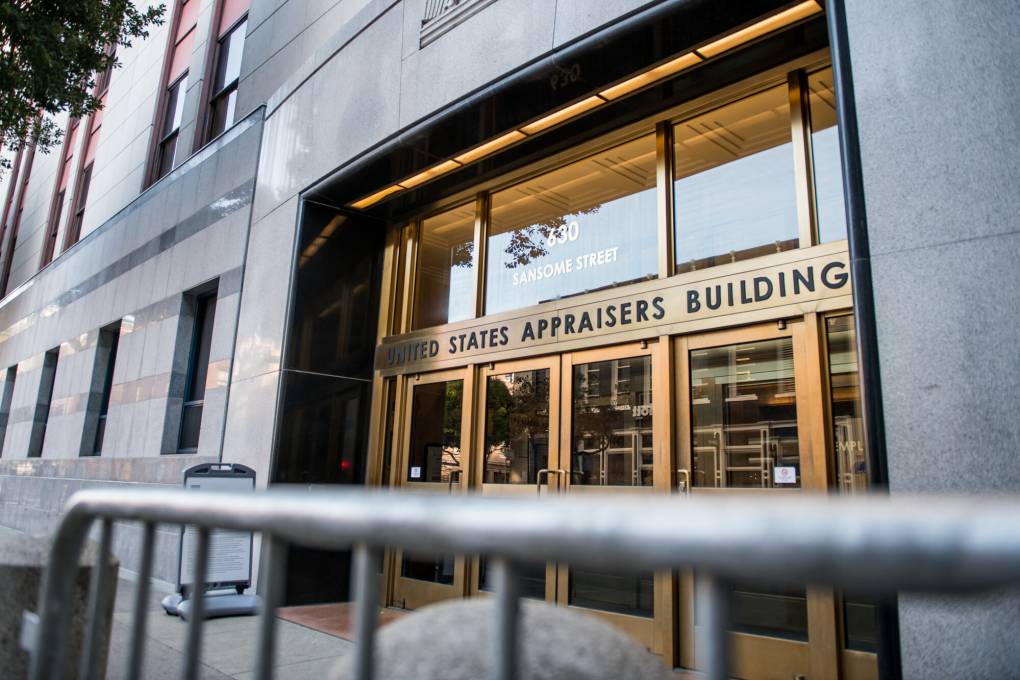
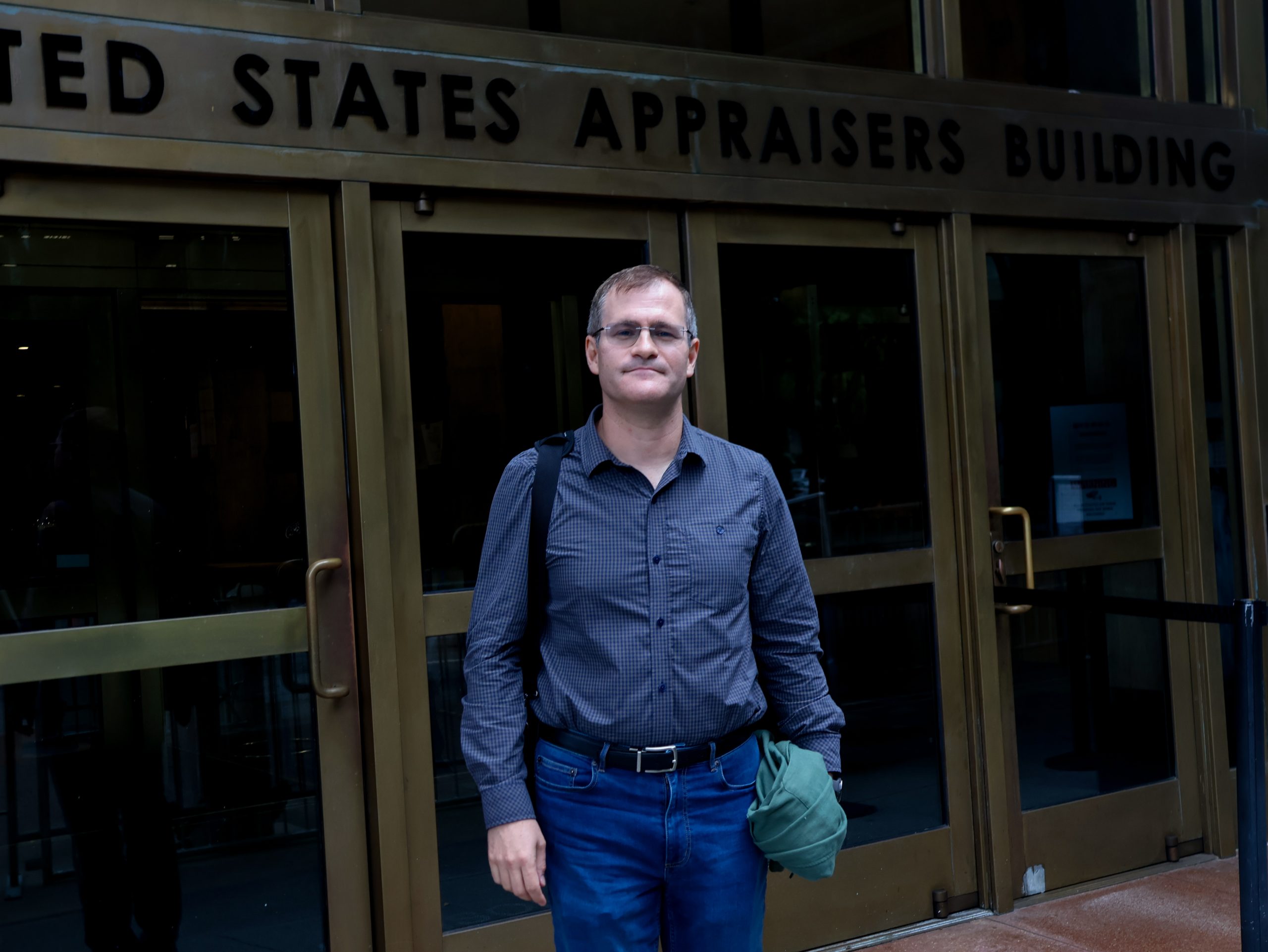
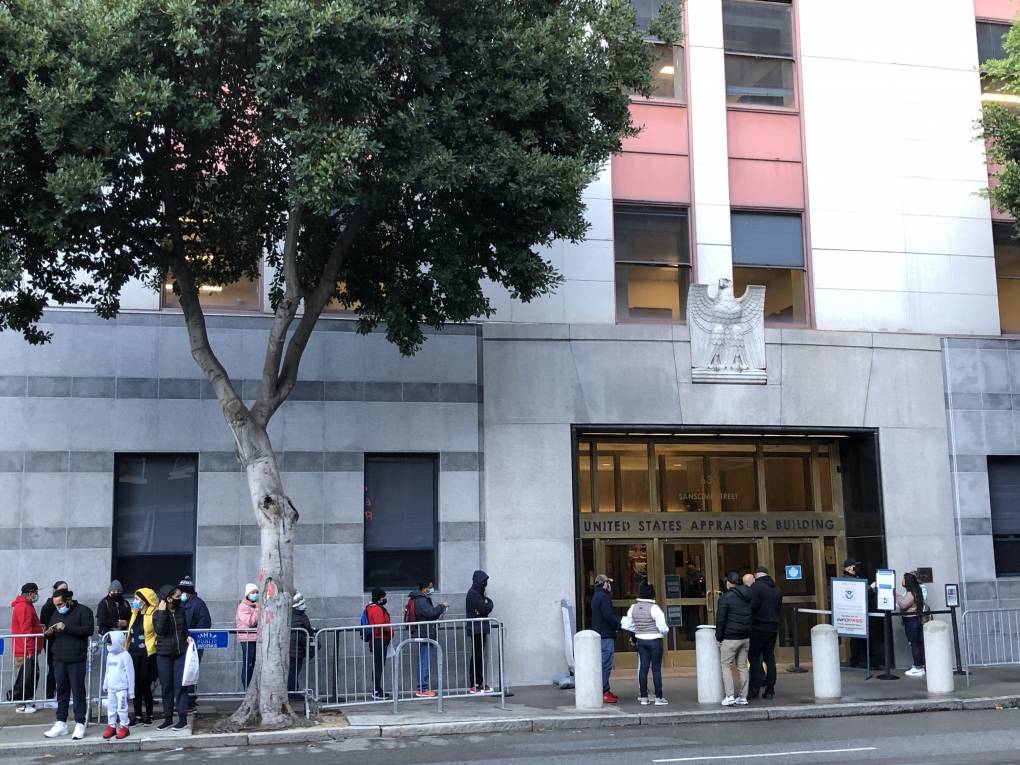
Since April, the Department of Justice has fired more than half of the bench in San Francisco's immigration courts, twelve judges in total. The largest cut came in late November, when Judges Shuting Chen, Louis A. Gordon, Jeremiah Johnson, Amber George and Patrick Savage were all terminated on the same day. It is unclear why the two judges have chosen to retire.
The bill, introduced by California's Sen. Adam Schiff and Rep. Juan Vargas, would allow the attorney general to appoint temporary immigration judges who have served on appellate panels, are administrative judges in other agencies, or have at least 10 years of experience in immigration law. This legislation comes after the White House authorized up to 600 military lawyers to serve as temporary immigration judges, while eliminating the requirement for them to have prior immigration law experience.
On Friday, Judges Amber George, Jeremiah Johnson, Louis Gordon, Shuting Chen and Patrick Savage were fired from San Francisco's immigration court, which at the start of the year had more than 20 judges, according to Milli Atkinson, the director of the Immigrant Legal Defense Program with the Bar Association of San Francisco.
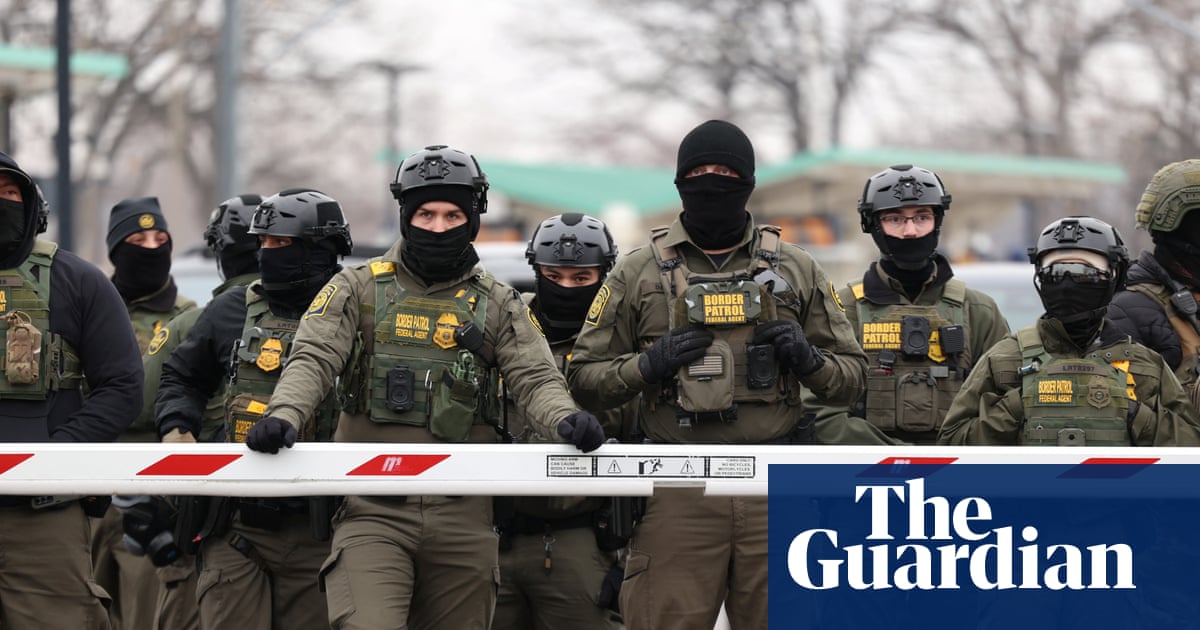
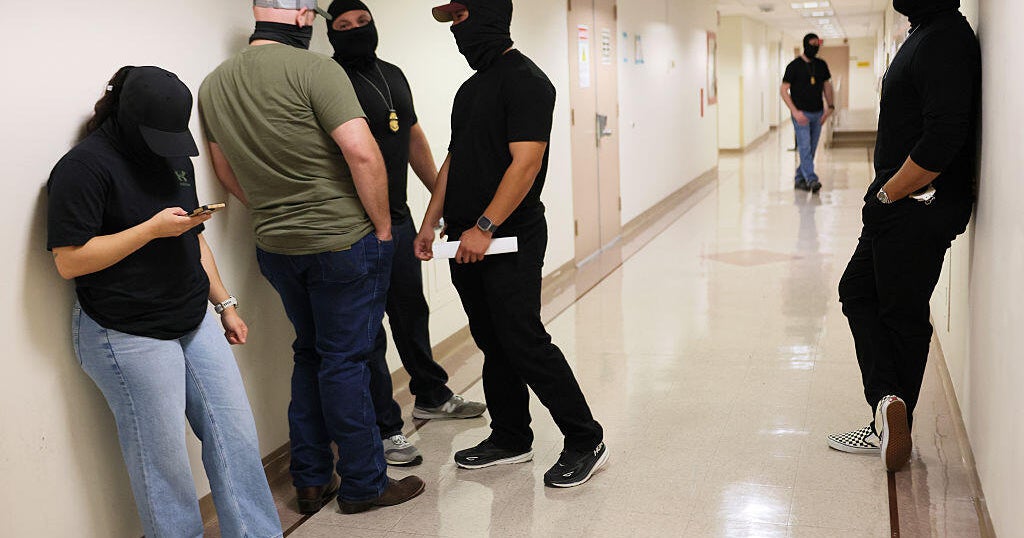
The government lawyer knew what was coming as she stood inside a courtroom and texted an Immigration and Customs Enforcement agent waiting in a corridor a few feet away. "I can't do this," the lawyer said in a text message as she looked at her docket of cases. "This is a new emotional load." "I understand," the agent responded. "Hopefully we meet again in a better situation."
(Spencer Platt / Getty Images) Lawyers and advocates fear about 1,000 Central American children, including dozens in California, are at risk of being deported to dangerous situations in their home countries before finishing their immigration court proceedings. They believe the U.S. government is now expanding their list of hundreds of children across the country, which started with children from Guatemala, to include those from Honduras and El Salvador. Lawyers for some children saw their scheduled hearings disappear from the immigration court calendars in recent weeks.