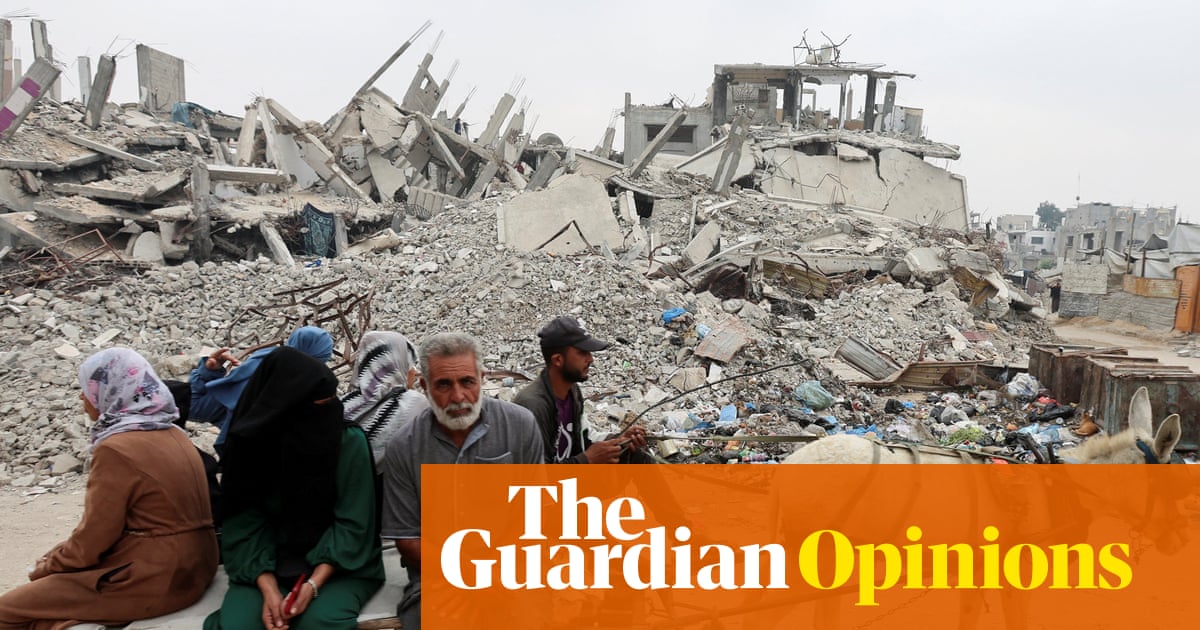
But B'Tselem provided another layer of analysis with its landmark report, called Our Genocide, in July. It dissected the decades-long history of Israeli policies that laid the groundwork for the carnage in Gaza, including the apartheid system, demographic engineering, the systemic dehumanisation of Palestinians, and a culture of impunity for abuses. Those conditions, Novak said, have been further entrenched since the war began.
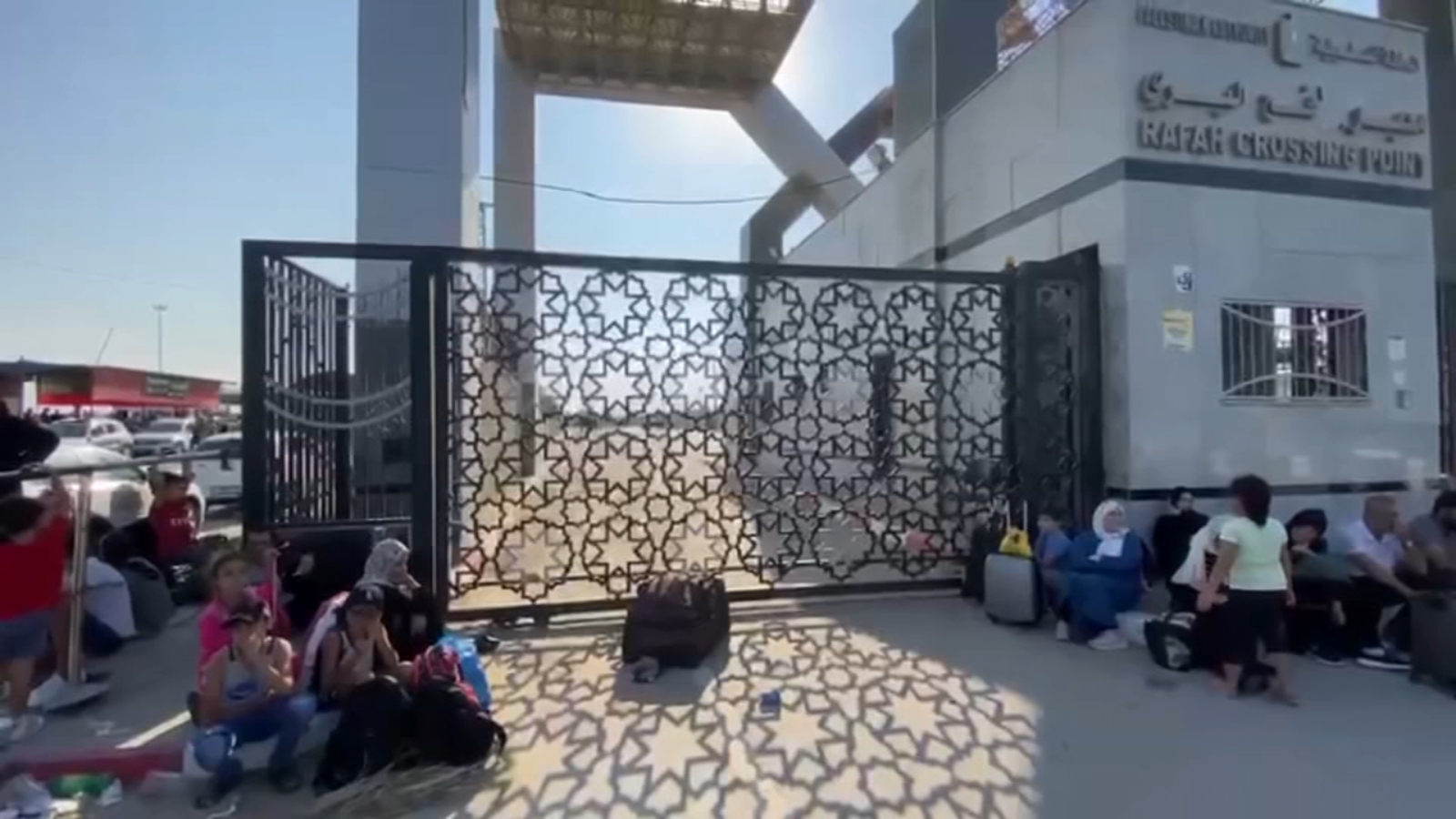
The United Nations humanitarian chief, Tom Fletcher, has urged Israel to immediately open more crossings into the famine-stricken Gaza Strip to allow for a surge in aid deliveries. In remarks to reporters on Wednesday, Fletcher said that the UN is seeking a dramatic boost in humanitarian aid for Gaza, saying the hundreds of relief trucks cleared to enter the devastated enclave were nowhere near the thousands needed to ease a humanitarian disaster.
Opher's office said in a statement on Tuesday that the purpose of the visit, organised by the Council for Arab-British Understanding, was to enable members of parliament to witness the vital medical and humanitarian work of a range of organisations including Medical Aid for Palestinians (MAP) in the occupied West Bank. It added: It is deeply regrettable that Israeli authorities prevented them from seeing first-hand the grave challenges facing medical facilities in the region and from hearing the British government's assessment of the situation on the ground.