#forced-displacement
#forced-displacement
[ follow ]
#humanitarian-crisis #gaza #civilian-casualties #west-bank #settler-violence #gaza-city #lebanon #hezbollah


#international-criminal-court


Europe politics
fromwww.aljazeera.com
2 months agoICC prosecutor opens probe into Belarus over deportations to Lithuania
The ICC prosecutor opened an investigation into Belarus for suspected forced deportation and persecution of government opponents, finding reasonable basis for crimes committed as part of a widespread systematic attack against civilians.


fromwww.aljazeera.com
1 week agoThree years of the West Bank's third Nakba'
Fresh off the seventh forced displacement of his central West Bank Bedouin community since 1948, Abu Najjeh was not in a contemplative mood leading up to Nakba Day. He said he was in a rush, too busy reacting to the crises of the day the continuing third Nakba, as he called it. This is not a proper place to live that's why I'm in a hurry waiting for a car to take me, said Abu Najjeh, the mukhtar, or leader, of the former Bedouin community of Ein Samiya, speaking from a recently erected tent in the outskirts of Rammun before rushing to find his sons amid unfolding violence in Jiljilyya.
Social justice
fromwww.aljazeera.com
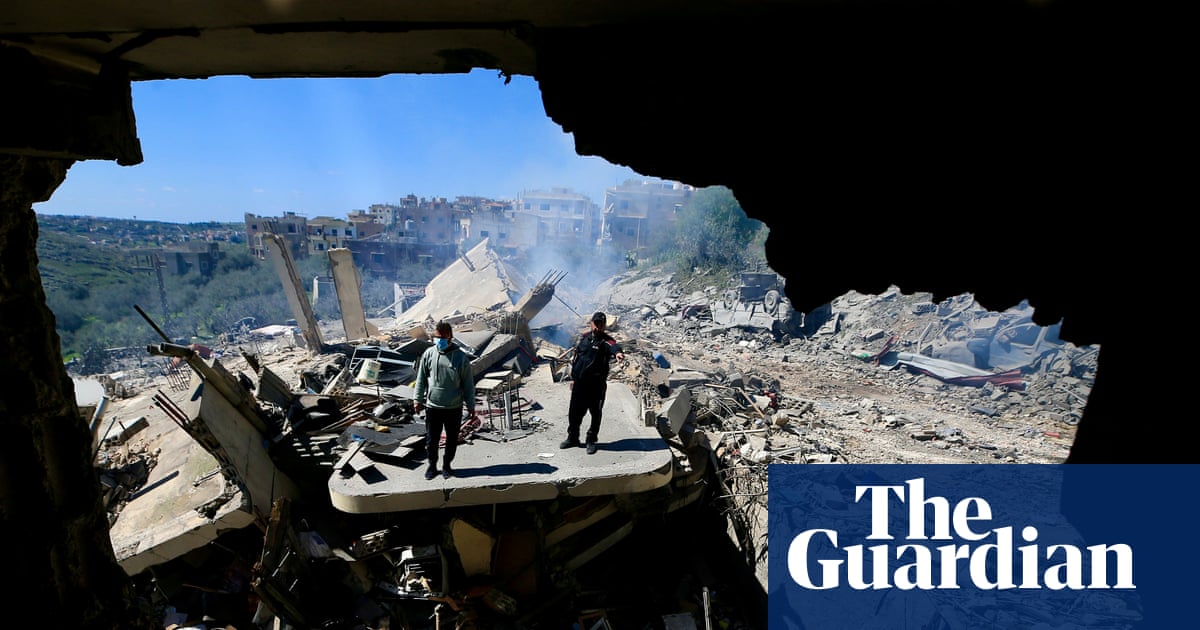
1 week agoAt least eight killed in Israeli drone strikes on highway south of Beirut
Three Israeli drone strikes on cars on a major highway linking Beirut to southern Lebanon have killed at least eight people, including two children, Lebanon's Ministry of Health reported. A photograph of the bombed cars shared by Lebanon's National News Agency following the attacks on Wednesday in the Jiyeh area, some 20km (12 miles) south of the Lebanese capital, showed the vehicles severely damaged, their exteriors charred and torn apart.
France politics
#israel-lebanon-conflict


fromwww.aljazeera.com
2 months agoFrance politics
Israel kills more than 100 Lebanese as it commands Beirut residents to flee
Over 38,000 Syrians flee Lebanon to Syria as Israeli strikes kill 102 people and displace 83,000, creating a regional humanitarian crisis with forced evacuations across southern Lebanon and Beirut suburbs.


fromTruthout
3 months agoWith Desalination Plants Destroyed, Families in Gaza Are Drinking Salty Water
Since the beginning of the Israeli genocide and the imposition of a total blockade on the Gaza Strip on October 7, 2023, water desalination plants have almost completely shut down due to severe fuel shortages.
Public health
fromwww.dw.com
3 months agoHow Israeli settler violence empties Palestinian villages
"The harassment by Israeli settlers had become unbearable," said Rashid, a young mother, as she stood leaning on the metal doorframe of her home in Ras Ein el-Auja in the occupied West Bank. Nearby, a few suitcases and other belongings sat in the corner, neatly packed. "There is no safety left. We've been suffering for three years, but now the provocations increased," Rashid told DW, speaking of how settlers entered their home.
World politics
fromwww.aljazeera.com
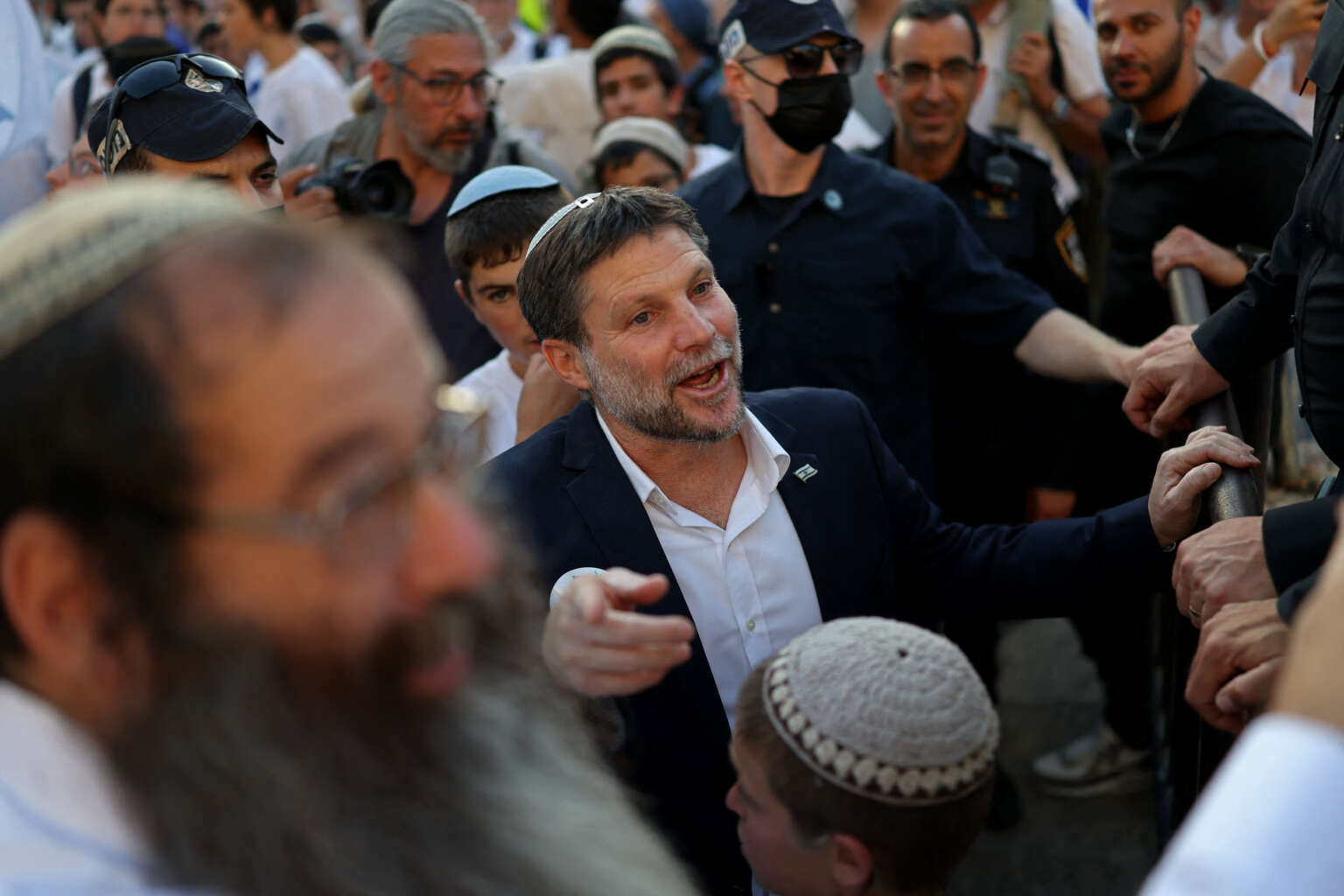
4 months agoIsraeli minister approves gun licences for 18 illegal West Bank settlements
According to the UN, more than 1,800 Israeli settler attacks against Palestinians about five per day were documented in 2025. Israel's National Security Minister Itamar Ben-Gvir has approved the issuance of gun licences to Israelis in 18 additional illegal settlements in the occupied West Bank, as the right-wing government headed by Prime Minister Benjamin Netanyahu pushes to expand illegal outposts that undermine prospects for a two-state solution.
World news
fromPsychology Today
4 months agoThe Psychological Cost of Being Forced to Leave Home
At the core of violence lies emotional rupture, not only when harm is inflicted intentionally, but also when life is interrupted by forces beyond one's control. Forced displacement is one such rupture. It does not simply change location; it reshapes identity, possibility, and the nervous system itself. For those who leave home under threat, hunger, or despair, exile is not a chapter that closes. It becomes a psychological terrain carried within the body and mind.
Mental health
fromwww.aljazeera.com
5 months agoThe real reason Israel wants to open the Rafah crossing
On December 3, Israel announced that the Rafah border crossing with Egypt would reopen in the coming days, allowing Palestinians to leave Gaza for the first time in months. The statement was, of course, framed as a humanitarian gesture that would allow those in urgent need to travel for medical care, education or family reunification to leave. However, Israel's announcement was met almost immediately with Egypt's denial, followed by a firm rejection from several Arab and Muslim states.
World politics
fromTruthout
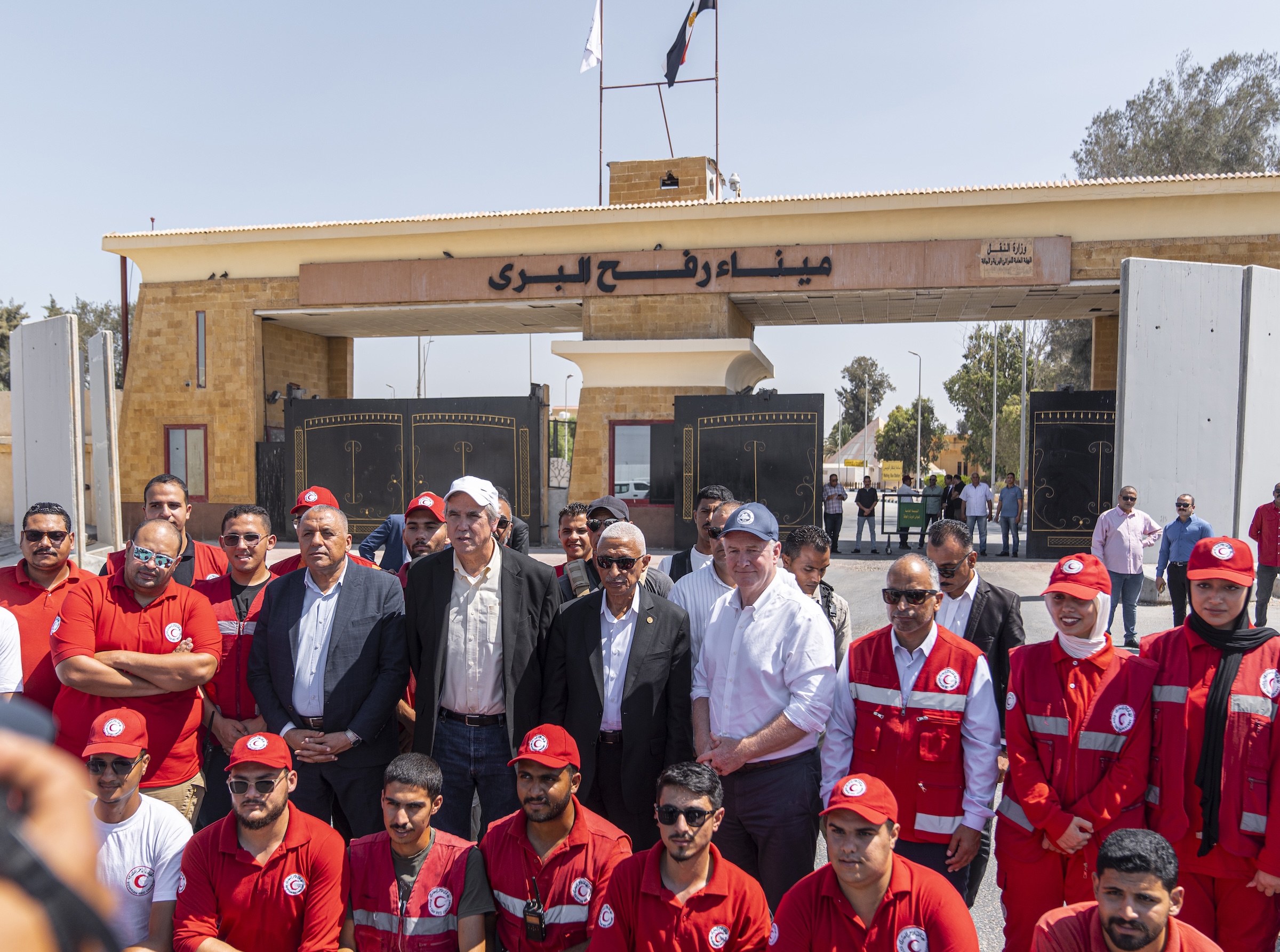
5 months agoIsrael Will Reopen Rafah Border Crossing - Only for Palestinians to Leave
Israel has announced it will reopen the Rafah border crossing between Gaza and Egypt in the next few days as part of the U.S.-brokered ceasefire. According to the World Health Organization, at least 16,500 sick and wounded people need to leave Gaza for medical care. However, the border will only open in one direction: for Palestinians to exit. Since the ceasefire began, at least 347 Palestinians have been killed in Gaza and 889 injured, according to the Gaza Health Ministry.
World news
World news
fromenglish.elpais.com
5 months agoWe wanted to get out of that hell': The shadowy organization facilitating escape from Gaza through Israel
Al Majd Europe organized opaque, paid charter evacuations of Gazans to foreign countries, causing diplomatic confusion and accusations of exploiting desperation and forcible displacement.


World news
fromwww.aljazeera.com
6 months agoIsrael's emptying of West Bank refugee camps amounts to war crimes: HRW
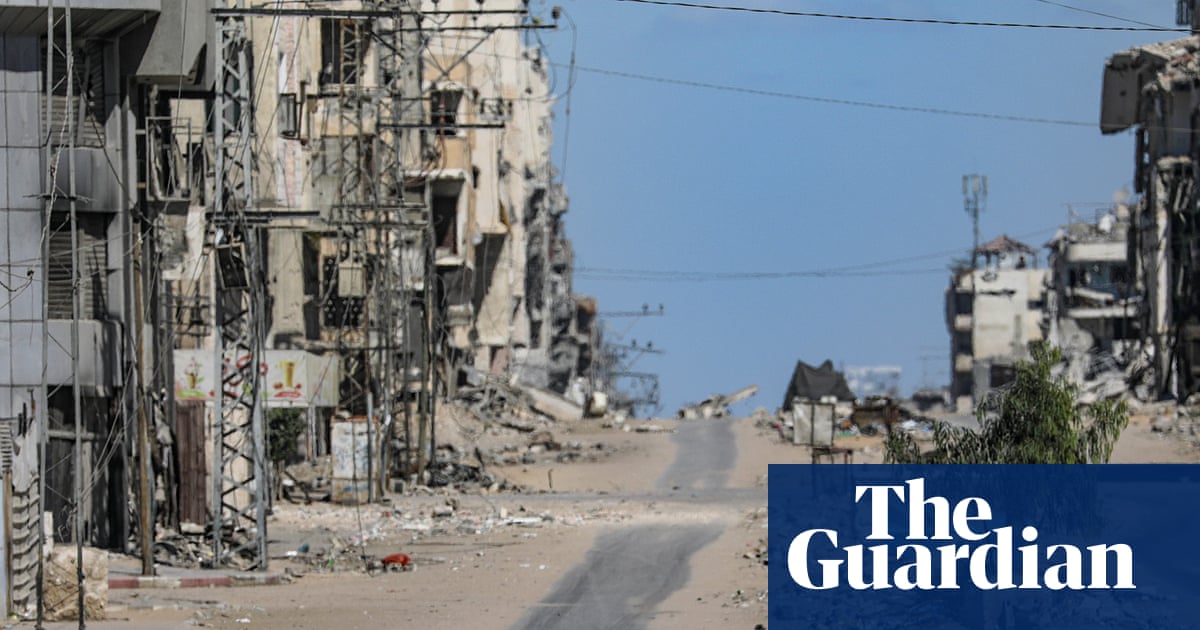
Israeli military forced the displacement of 32,000 Palestinians from Jenin, Tulkarem, and Nur Shams, destroying over 850 buildings and preventing returns, constituting alleged war crimes and crimes against humanity.




fromenglish.elpais.com
8 months agoGulf Clan negotiates peace while fighting the ELN over one of the largest coca and gold reserves in Colombia
The peremptory order caught him out of the house. When he returned, his family and most of his neighbors had already fled. He hurried to pack two changes of clothes in the first bag he found and, before setting off on his motorcycle, he tied a white cloth to a long pole: It was a flag as a sign of peace, to avoid any attacks on the three-hour journey, says the social leader, who requests anonymity.
World news
fromPsychology Today
8 months agoEmbracing Tension as a Path to Integration
This post is the second in a three-part series based on a 2023 qualitative study conducted by The Fund for Armenian Relief's (FAR's) Child Protection Center (CPC) to explore the psychological and social dynamics of forced displacement, using Armenia's integration of more than 115,000 displaced persons from Nagorno-Karabakh (Artsakh) as a contemporary case study. In, we examined how displacement disrupts identity and belonging and efforts to understand the psychological impacts on both displaced individuals and host societies.
Social justice
fromwww.aljazeera.com
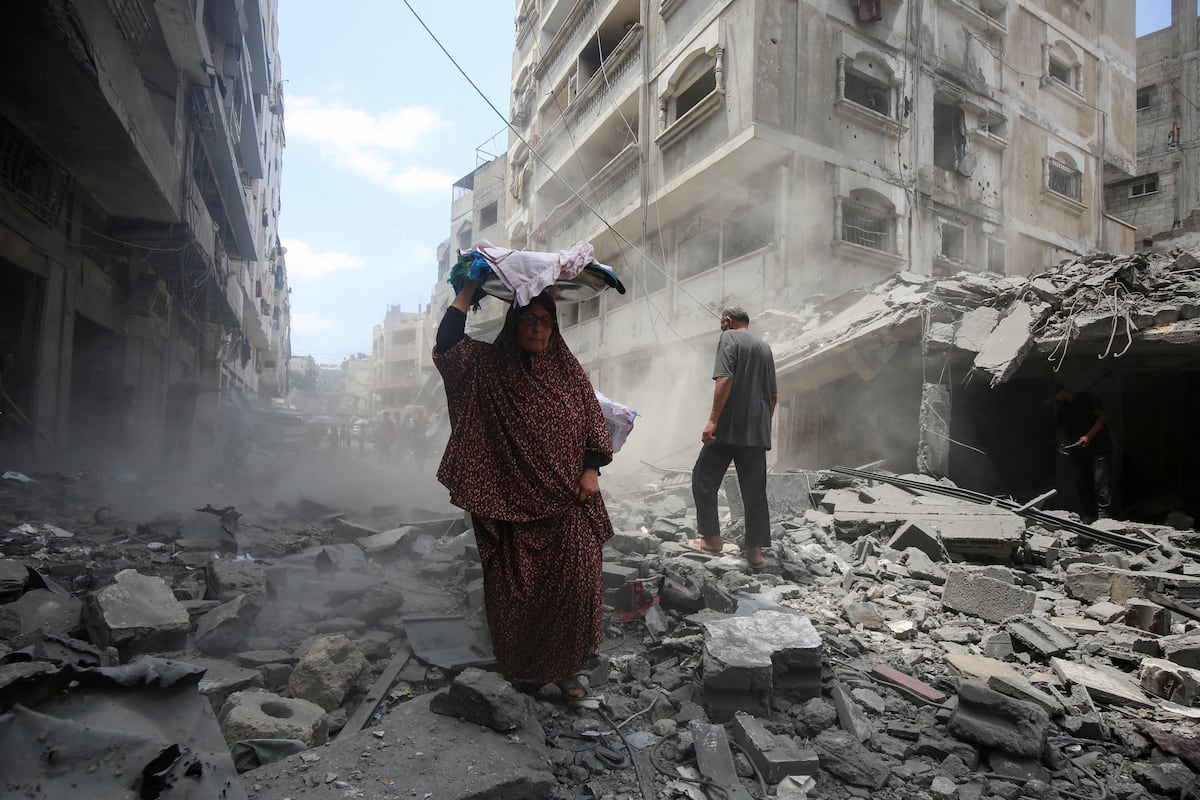
8 months agoWe are on the streets': Palestinians flee Israel's assault on Gaza City
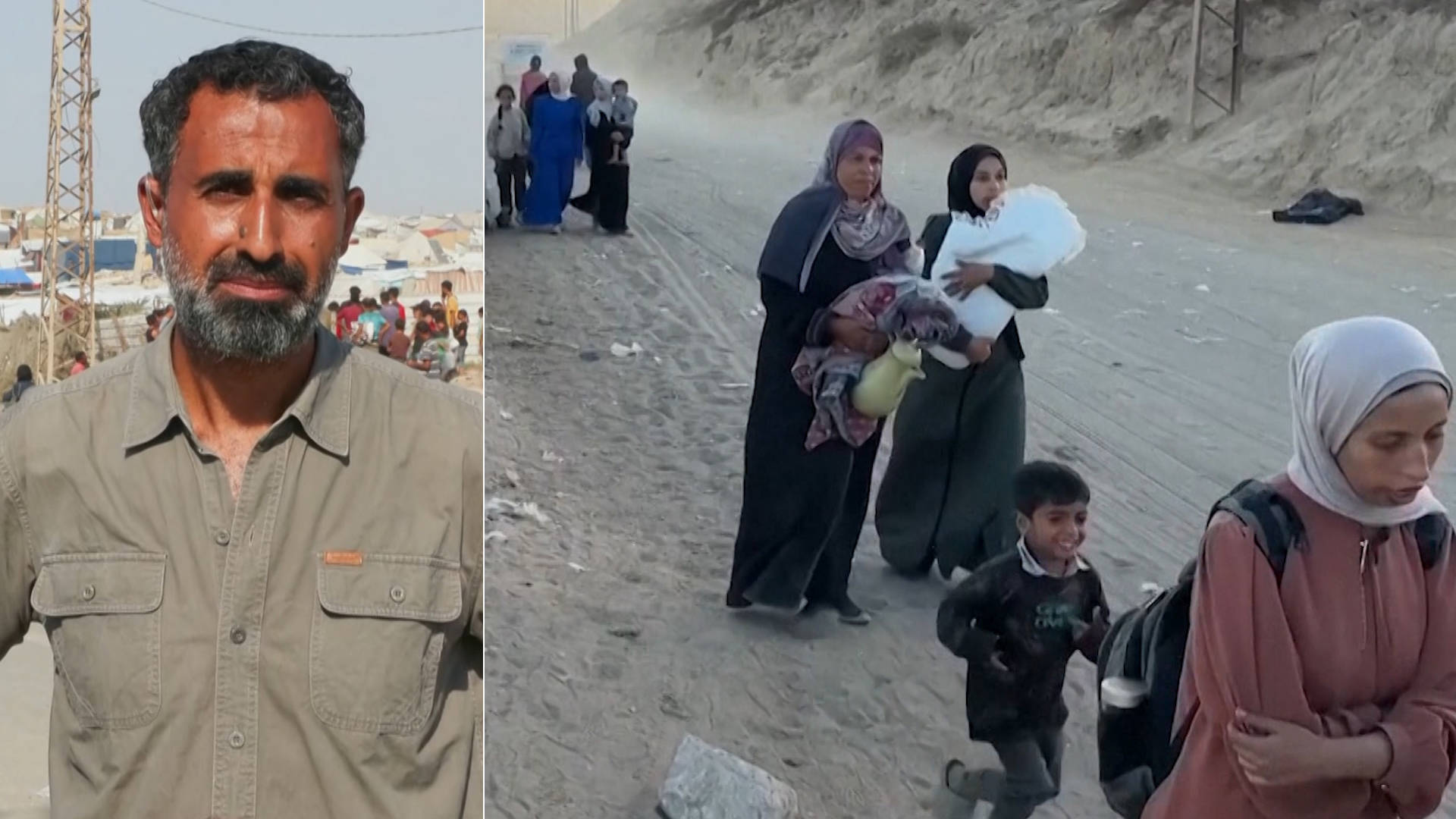
Hundreds of Palestinians have fled Gaza City, piling their few remaining possessions onto pick-up trucks and donkey carts as Israel's deadly bombings and forced displacement campaign intensifies in the area. People fleeing the Israeli military's relentless bombardment have begun setting up makeshift tents amid miserable conditions in an area west of central Gaza's Nuseirat refugee camp, to the south of Gaza City near Deir el-Balah.
World news
[ Load more ]