#federalized-troops
#federalized-troops
[ follow ]
#immigration-enforcement #ice #national-guard #homeland-security #trump #government-shutdown #protests #minnesota




fromJezebel
3 days agoOnly the Trump Administration Could Employ a FEMA Official Who Claims He Can Teleport and See Ghosts
Gregg Phillips claimed that he has in several instances 'teleported,' once into a Georgia Waffle House 50 miles away, where I can only assume a freshly made All-Star Special was waiting for him.
Washington DC
#immigration
US politics
fromFortune
1 week ago'This utter lack of communication and consultation flies in the face of federal law': states push against immigration detention plans | Fortune
Immigration officials have spent $1.074 billion on warehouses for housing immigrants, facing significant opposition and scrutiny over contracts.




fromThe New Yorker
1 month agoThe End of Limits on a President's Wars
In no part of the constitution is more wisdom to be found than in the clause which confides the question of war or peace to the legislature, and not to the executive department. Madison, the primary author of the Constitution, emphasized that vesting war powers in Congress rather than the President represented a crucial safeguard against concentrated executive authority and the potential for individual flaws in judgment affecting national security decisions.
US politics
fromwww.theguardian.com
1 month agoNo deportation officer has been killed in the line of duty since ICE's creation
Of the 15 officers who died in the line of duty while working for Enforcement and Removal Operations, the ICE branch charged with detaining unauthorized migrants within the interior of the US, all but two died of Covid. One deportation officer, Brian Beliso, died of a heart attack in 2020 during a foot chase. The other deportation officer to die of something other than Covid, Lorenzo Roberto Gomez, experienced heat stress during a training exercise in El Paso, Texas, leading to hospitalization.
US politics
US politics
fromFast Company
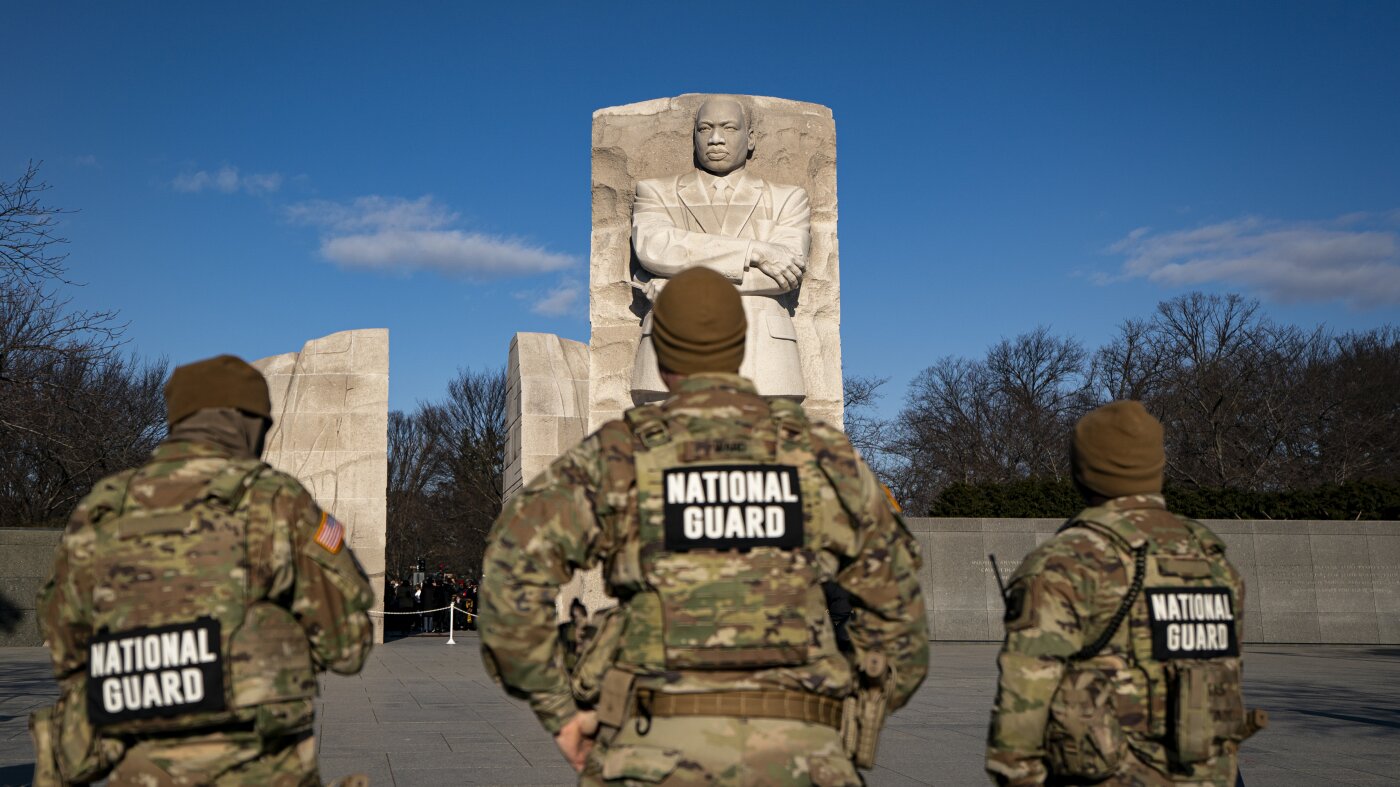
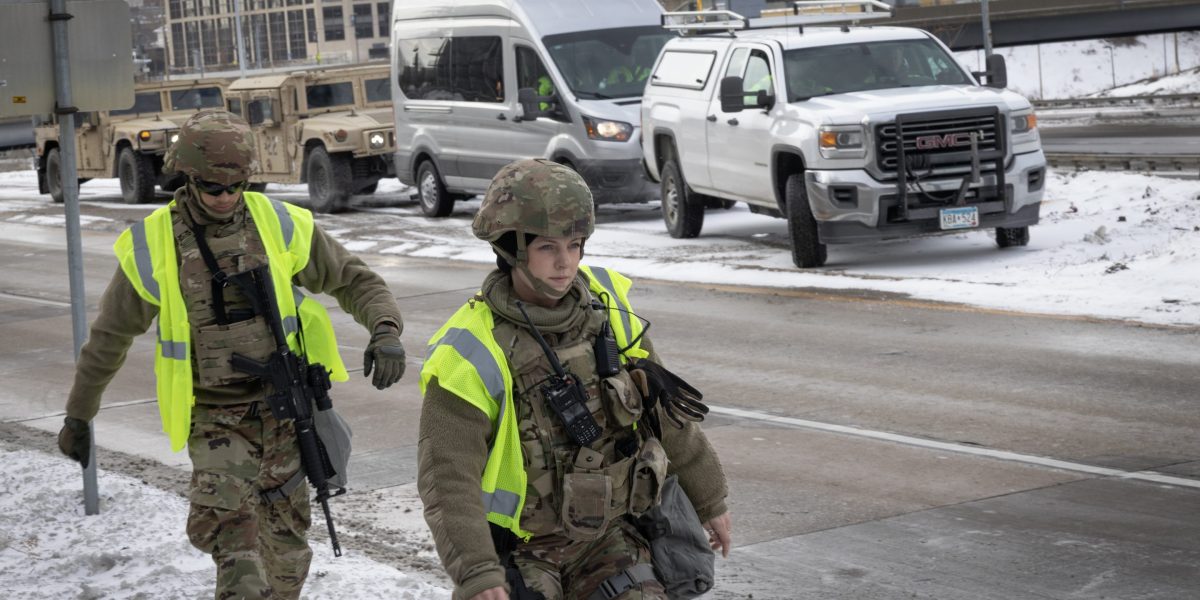
2 months agoTrump's deployments of the National Guard are costing American taxpayers nearly $500 million so far
Federal deployments of National Guard and active-duty troops to six U.S. cities cost roughly $496 million through December and could exceed $1 billion if continued.
fromThe Atlantic
2 months agoThe Defense Secretary's Dreadful Defense of ICE
Hegseth, who grew up north of Minneapolis, took to social media in the hours after masked immigration agents shot the ICU nurse with a stark calculation: "ICE > MN." "We have your back 100%. You are SAVING the country," the Pentagon chief told immigration agents in an X post. "Shame on the leadership of Minnesota-and the lunatics in the street."
US politics


US politics
fromwww.mediaite.com
2 months agoTrump Urges ICE to Be Very Forceful' Defending Buildings Against Anarchists' But Will Only Send Help If Local Politicians Say PLEASE'
President Donald Trump ordered ICE and Border Patrol to use force to protect federal buildings and to aid local officials only if they request help.
fromThe Cipher Brief
3 months agoCoast Guard, Sovereignty, and Homeland Defense
U.S. defense planning rests on the assumption that wars are fought abroad, by expeditionary forces, against defined adversaries. For decades, those assumptions held. But today, many of the most consequential security challenges facing the United States violate all three. They occur closer to home, below the threshold of armed conflict, and in domains where sovereignty is enforced incrementally. The shift has exposed a chronic mismatch between how the United States defines its defense priorities and how it allocates resources and respect.
US politics
fromTruthout
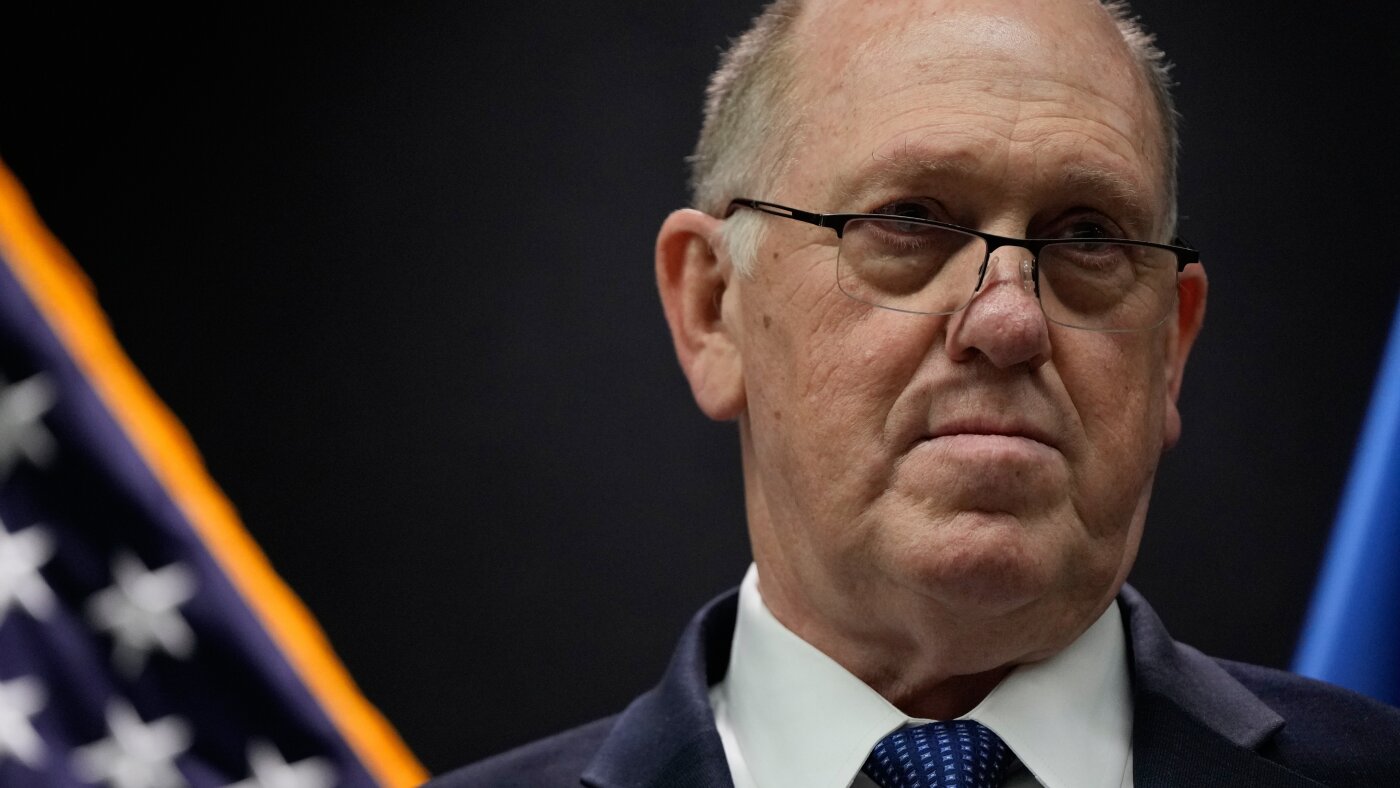
2 months agoMinnesotans Skeptical as "Border Czar" Homan Announces Drawdown of DHS Operations in State
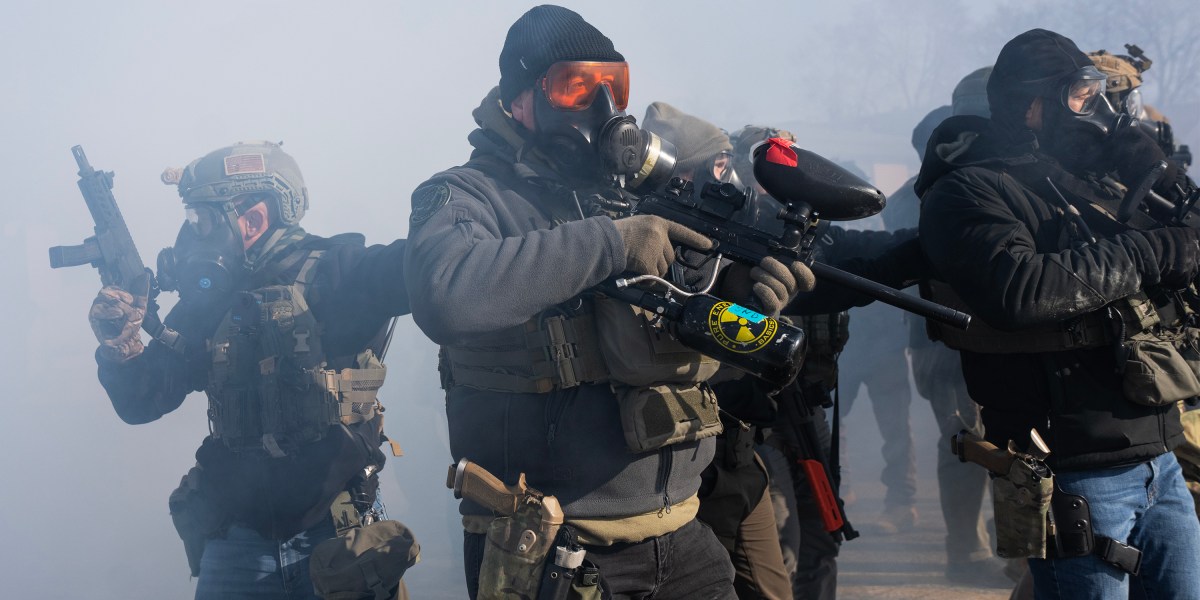
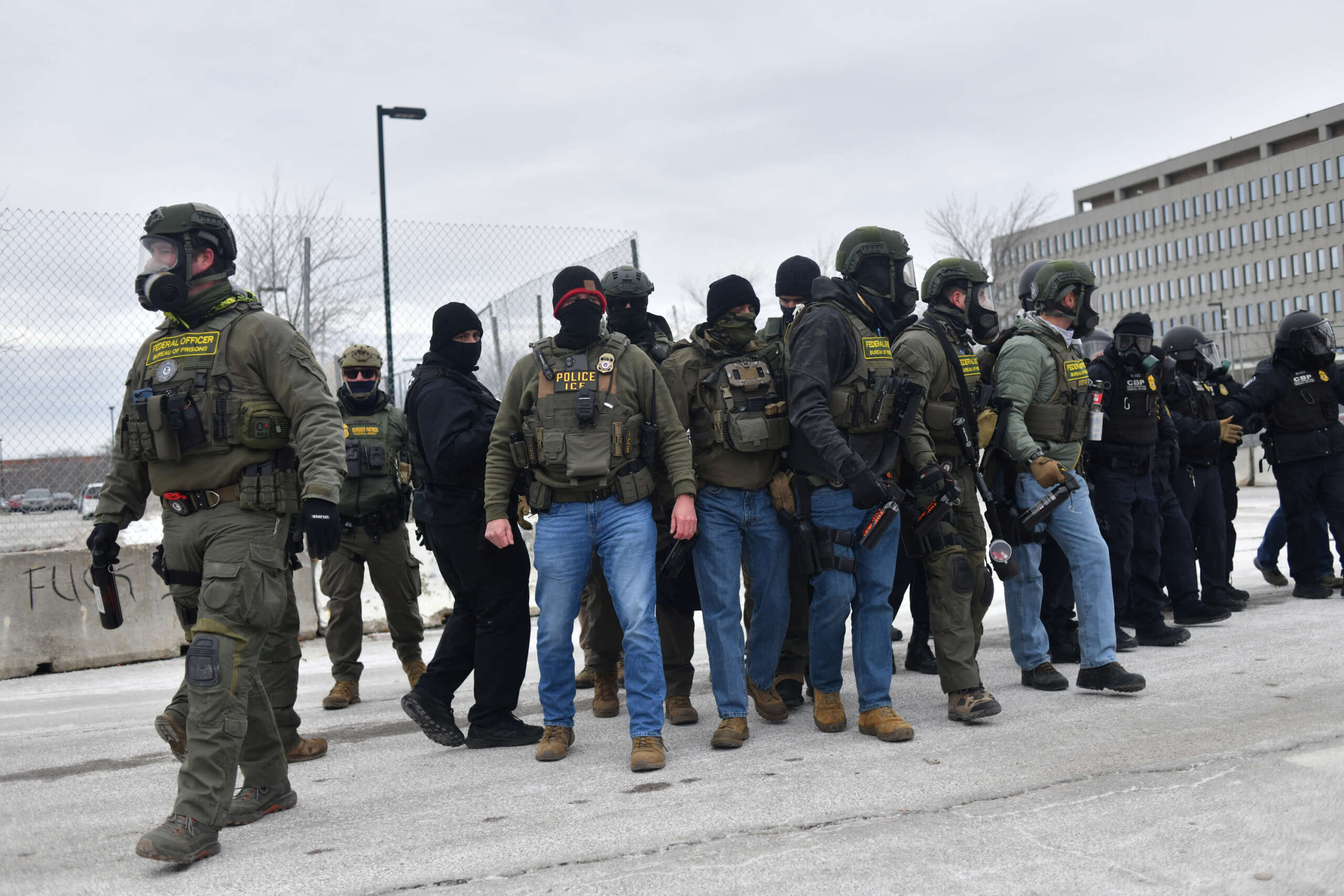
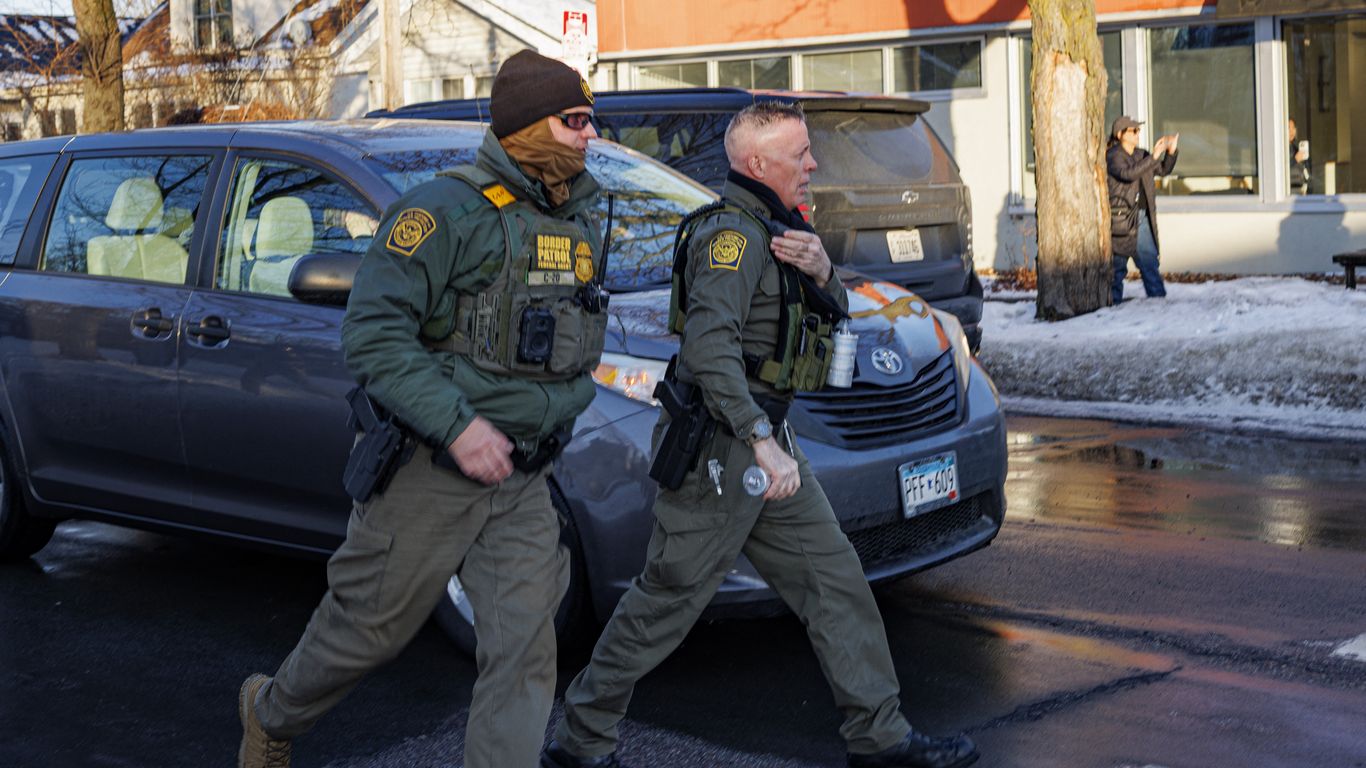
The operation has seen around 3,000 Department of Homeland Security agents (DHS) - including agents from Immigration and Customs Enforcement (ICE) and Customs and Border Protection (CBP) - flood Minnesota over the past two and a half months, taking particular aim at Minneapolis and St. Paul. The agents have harassed and abducted residents, showing blatant disregard for due process rights and frequently making headlines for their brutality.
US politics
[ Load more ]